

![Are Raisins and Grapes ACTUALLY Toxic To Dogs? [By Agent131711]](https://dropinblog.net/cdn-cgi/image/fit=scale-down,format=auto,width=700/34264201/files/featured/e6dfb138-526f-43e7-bca7-19f4109562e3-1400x788.webp)

I just finished digging into the myth of garlic being harmful to dogs. I assumed the story with grapes and raisins would be the same, so I was going to skip it, but to my surprise, it is completely different and incredibly interesting, so here we are….
RAISINS AND GRAPES
In this case, science claims grapes (which are also raisins) are so toxic that, should your doggie consume some, he could suffer acute kidney failure and die. Yikes! Like garlic, science says there is no safe amount of grapes your fuzzy friend can have. And I should mention, these damn grapes are so toxic that a single sip of grape juice could result in thousands of dollars of veterinary bills.
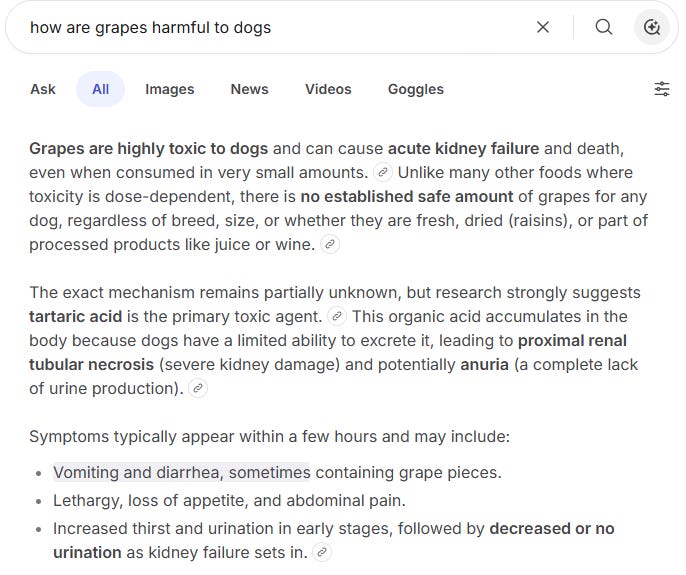
I wanted to know how raisins and grapes were determined to be deadly, so I again asked ChatGPT. Unlike with garlic, this time around it provided me with a disclaimer and recommended some of the top studies. Before we look at the studies, let’s check out that disclaimer because it’s quite important. It said, quote,
“These aren’t randomized lab toxicity trials (for ethical reasons).”
So right out the gate we have a major issue, and that issue is that there appear to be no legitimate studies because science claims it would be cruel to feed an animal a grape knowing it will suffer and likely die. Keep in mind, this is the same medical-science industry that loves vivisection and performs the most ghastly, completely unnecessary experiments on little creatures—experiments from which there is no medical knowledge to be gained, so how science can claim it would be too unethical to feed some healthy dogs raisins is beyond me. And let me remind you that they had no issues feeding dogs deadly garlic to test its potency, so why they drew the line at grapes, your guess is as good as mine.
Because we are starting out with a major handicap (zero real-world randomized control studies), all we can do is look at whatever evidence science claims is sufficient enough to take the place of actual proof.
The studies recommended by ChatGPT are as follows:
Gwaltney-Brant et al. “Renal failure associated with ingestion of grapes or raisins in dogs.” The link ChatGPT provided took me to a scrubbed page.

Next on the list, Sutton et al., “Grapes, raisins and sultanas toxicity in dogs.” The link for this study also goes to a page that has been removed.

Then there was Mazzaferro et al. “Acute renal failure in dogs after grape ingestion,” and this link also did not work.

See, I told you, ChatGPT has been pretty worthless on my end. I then did some research on my own, and here’s what I was able to dig up, but before we can get to what I found, let’s start with the basics.
GRT
Grapes and raisins are so dangerous to canines that they have a medical condition name, GRT. GRT stands for Grape or Raisin Toxicosis, a condition that the medical-science industry claims causes acute kidney injury (AKI). Almost all dogs diagnosed with GRT suffer from diarrhea and vomiting, but the vast majority (3 out of 4) have tremors, ataxia (loss of coordination), head tilt, seizures, impaired consciousness, and drifting or hypermetric gait (exaggerated limb motion or high-stepping). Many also suffer from the inability to urinate, lethargy, and hypothermia. Bloody stool, horrific stomach pain, strokes, seizures, and anorexia are also said to be common side effects. That is one heck of a list of awful symptoms, all caused by these beautiful, tasty, little fruits, they say.

But where exactly does this information come from since there can’t be any actual studies?
Although it may seem like the fact that grapes and raisins are poisonous to dogs has been around forever, it’s actually a newer concept that came about in 2001 when our friends over at the Animal Poison Control Center dug through their records and identified 43 dogs of interest. Why are these specific animals of interest? Because they had increased blood urea nitrogen concentration, or serum creatinine concentration, or both after ingesting grapes, raisins, or a mix of the two. So basically, these dogs were logged as eating grapes, and lab tests indicated that their kidneys were not functioning correctly. But I should point out that increased blood urea nitrogen concentration can also appear on lab tests due to dehydration, high-protein intake, or gastrointestinal bleeding. Because of this, not a whole lot came of these findings, and the only conclusion was that science had no idea how exactly grapes were so dangerous specifically to dogs.
Skip ahead a few years, and we get to the mother lode of the information that we rely upon today as fact. This study (which you can’t truly call a study because a genuine scientific study requires a control group) comes from one animal clinic called the Small Animal Clinic of the Vetsuisse Faculty University of Bern, Switzerland. As a vet, people would bring in their sick dogs to get medical attention, and when dogs presented with symptoms that matched GRT, they became part of this study-non-study.
How it worked was, over the course of two years, dogs who were ill and brought through the doors of Vetsuisse were grouped into three cohorts, each suffering from the same and similar symptoms. The first cohort was declared to be conclusive GRT cases based on the owners claiming to have witnessed the dog eating a grape or raisin at some point, typically in the past week. The dog is now very ill; therefore, it was because of the grapes.
The second group was suspected of GRT poisoning, but the owners never saw their animal consume a grape or raisin. This includes cases in which there were neither grapes nor raisins for the dogs to ingest, yet these canines had the same and similar symptoms as the group whose owners witnessed them eating the deadly food.
The third cohort was dogs with the same symptoms as the first and second groups; however, in the third cohort, grapes and raisins were completely ruled out because the vet determined it was other causes triggering these identical symptoms.
As you can see, right here we have a major issue: if the dogs all have the same symptoms, yet one-third of the owners claim there were no grapes to consume or they did not believe their animal ever came in contact with any, and another third has the same symptoms but those symptoms were caused by something other than grapes, how can anyone in their right mind continue to believe it is grapes causing the symptoms in any cohort? This would be like claiming the water in the local swimming pool is responsible for making all the children of the town sick, yet only a third of the parents ever brought their kid to the pool, one-third don’t know where the pool is located, and another third don’t even own bathing suits. Common sense would tell us the hypothesis that the pool is causing illness has to be scrapped at this point, but this is not how medical-science works. Science decides something is true, then gets out a pair of scissors and cuts every puzzle piece to size.
Anyway, when the sick animals arrived at the small animal clinic and displayed some or all of the lengthy list of grape poisoning symptoms, the condition was confirmed by “granular casts on urinalysis.” I had no clue what this meant, so I Googled it and discovered granular casts are microscopic, cylinder-shaped structures found in urine that indicate kidney tubular damage or inflammation, typically formed from the breakdown of renal tubular epithelial cells, red blood cells, or white blood cells. The results of the urine screening were then cross-referenced with a grading system provided by the International Renal Interest Society. This determined how severe the grape poisoning was.
Let’s step outside the lab and think of this using common sense instead of medical science: dogs arrived at the vet terribly sick, and, through studying their urine, it was determined that they had severe kidney issues. In fact, all of the dogs in the first cohort had kidneys in failure, and the failure was so severe that only 8 total canines from this group ever walked out of the hospital. Out of those 8, “survivors” were considered anyone who lived six months or longer. Does this sound like little pieces of fruit to you?
What I learned from my amazing friend Medicine Girl, a former hospice nurse, is that kidney failure is caused by excessive toxins—and this isn’t something that happens overnight. An organ shutting down isn’t a one-grape job or even a bunch of grapes job. You see, our kidneys are designed to filter out toxins, but, if you constantly ingest toxins, it's like continuously putting cardboard into a paper shredder. It is only a matter of time before the blades dull and the shredder stops working properly. Keep forcing cardboard through it, and you’ll burn out the motor entirely. Our bodies and those of our furry friends are resilient and can take one hell of a beating, so reaching the point of complete organ failure requires long-term potent toxin consumption, and that is the stage that these dogs reached when their owners finally took them to get medical assistance. Now here’s the eyebrow-raising part:
When we look more closely at the dogs suffering from grape poisoning, we learn the following:
Some of the sick canines were suffering from hypothermia. Hypothermia is most commonly known as being caused by being in freezing weather for extended periods of time, but the same symptoms are caused by alcohol poisoning, extremely low blood sugar, endocrine issues, and pharmaceuticals. Of course, because the vets had already determined grapes or raisins were the culprits, no further research was conducted. The owners were never asked if their dogs live outside in the cold or if they are provided adequate shelter. Plastics, herbicides, pesticides, industrial chemicals, and polluted food and water—these are all endocrine (hormone) disruptors, and they were irrelevant to the veterinarians at the animal clinic. Low blood sugar is typically a sign of skipping meals.
Another dog lost control of its spine!
Then there were the dogs that were suffering from anorexia, which is considered a common symptom of grape poisoning. But as I mentioned in the garlic part of this publication, anorexia doesn’t develop overnight. Factually, it takes, on average, 12 to 18 months of improper nutrition to develop anorexia. Despite what science wants you to believe, you cannot eat a grape or even a whole bunch of grapes and then become anorexic the next day or even the following week. It is literally impossible. You could suddenly stop eating, and within a few days you would begin losing weight, but if you are healthy, you would not suddenly become skin and bones. So these dogs, which were already horribly ill when they came to the vet, were sick because they were improperly cared for, most to the point of being grossly underweight and fragile from malnutrition, many suffering from hypothermia and tremors, their organs shutting down, yet when these animals arrived at the vet, focus was put on if the pet had been in contact with garlic, grapes, raisins, or chocolate.
One dog had such severe calcium and phosphorus intoxication that his innards were calcified and he was hemorrhaging.
Another dog had similar findings and was declared to be suffering from hypercalcemia.
Do you remember that very first study from 2001? The one where poison control dug through their records and found 43 dogs who had bad lab work and also ate grapes or raisins? Well, if you take the time to actually read the paperwork, you discover that as many as 95% of these animals had “extremely high” calcium levels! That’s almost all of them! What on earth is going on here? Why are these animals overloaded with calcium to the point that their innards are calcifying and their kidneys failing?
Aside from being kept in deplorable conditions and fed such little food that they were withering away to nothing, as the research paperwork points out, a potential culprit could be hypervitaminosis D. You see, what we call “vitamin D” is a chemical concoction that has never been shown to have any health benefit aside from changing lab results on paper. It does not build strong bones, it did not cure rickets, and when it was added to the food supply as a mandatory fortificant, people, including children, became terribly ill with the identical symptoms that the public was told the supplement prevents, the main symptom being hypercalcemia. This vitamin contains no calcium. It increases calcium levels by stripping it from bones and teeth, then putting it into the blood supply. Our kidneys then have to work hard to filter it all out. This is why people like myself, who were told by the doctor to supplement D in large doses for maximum health, end up breaking bones. This is also why D is pumped into cattle before slaughter: it softens the bones, meat, tendons, and ligaments, and we all love a juicy steak. Who knew “vitamins” were the trick to making a body soft and tender instead of big and strong? (I have many, many deep dives on the topic; check them out here.)
Anyway, so-called vitamin D is dumped into “dog food,” which in itself is not food that dogs would ever choose to eat, and it contains basically nothing that is naturally a part of a dog’s diet.
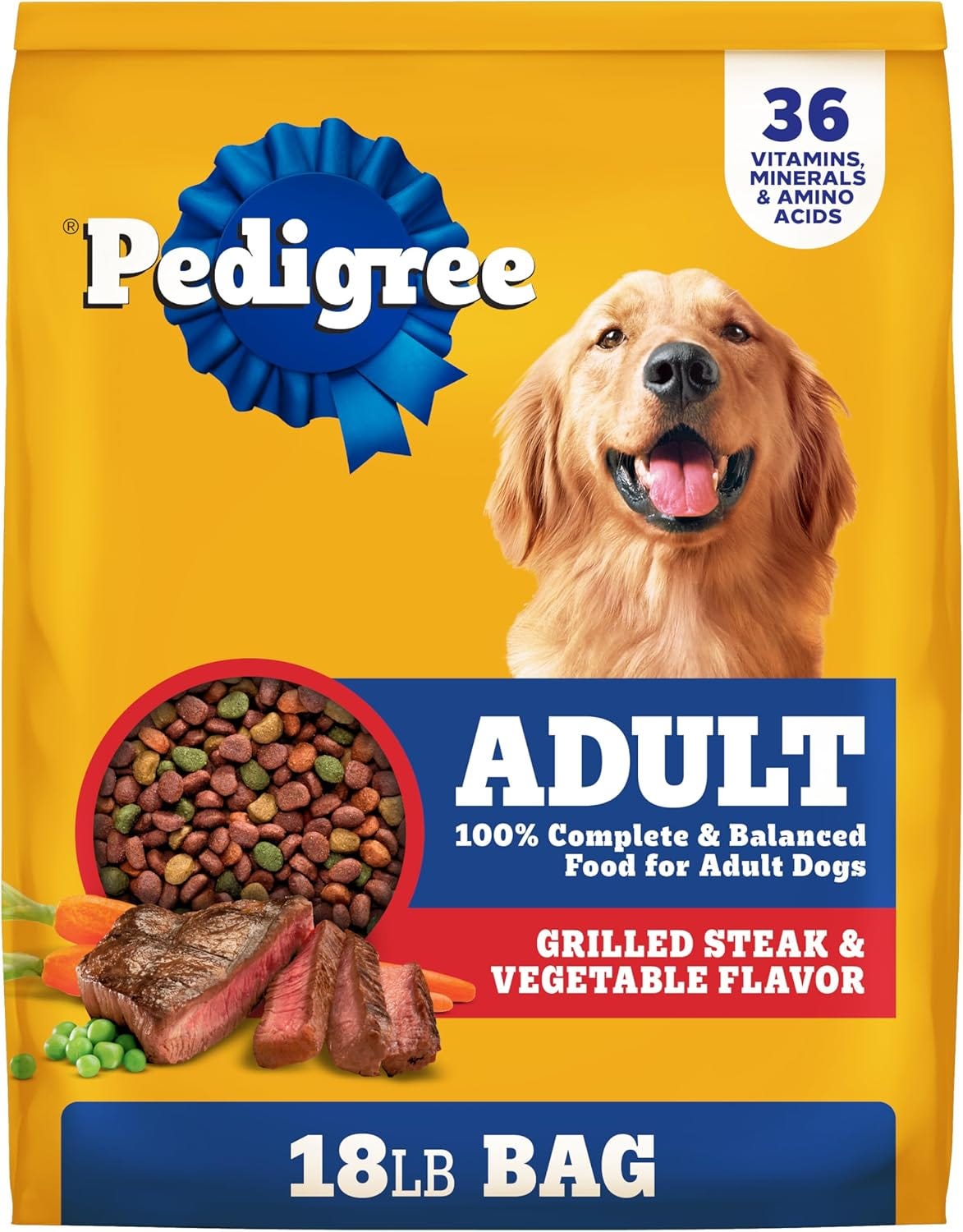
Look at these outrageous ingredients! Steak flavor, Blue 2, Red 40, Yellow 5, Yellow 6, Sodium Selenite, Copper Sulfate, and of course, the makers load it with what they call “vitamins” because the entire premise of supplements has become “Eat a shitty diet, buy our magic pills, and you’ll be healthy.” The premise is you can feed your animal soy and dye, and as long as those vitamins are in there, that’s all they need to thrive.
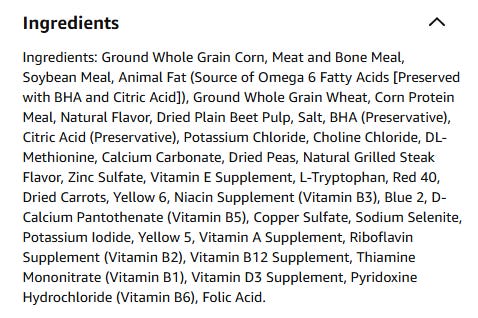
In the case of so-called dog food, the amount of the so-called vitamin dumped into them is so much that it is literally killing dogs.

But before the animal dies, it will suffer hypervitaminosis D, which is a nice way of saying poisoning. The symptoms of hypervitaminosis D match many of the symptoms of GRT: hypercalcemia (high blood calcium), leading to gastrointestinal, renal, and neurological symptoms. Initial signs often include vomiting, diarrhea, and loss of appetite leading to anorexia due to the kidneys’ inability to concentrate urine. At even higher levels of hypervitaminosis, the animal (or human) will lose their ability to use their kidneys normally, which is what the veterinary industry is calling AKI in dogs, which they claim is caused by grapes and raisins.
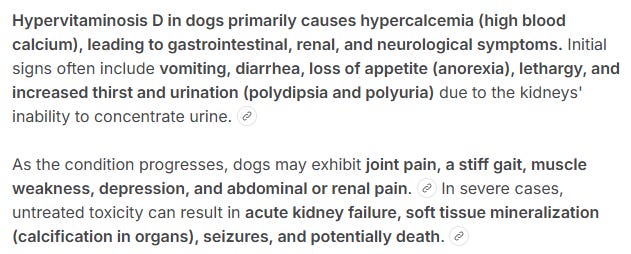
But again, because the culprit was predetermined, there was no reason to investigate any further cause.
There are a few additional sources of interest. One was a case report called “Acute renal failure associated with raisin or grape ingestion in 4 dogs” which was featured in the Journal of Veterinary Emergency and Critical Care.
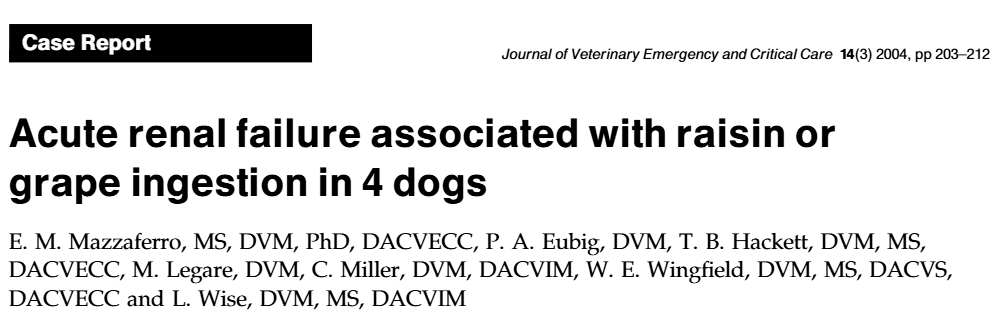
In it we learn a dog went to the ER and was diagnosed with ethylene glycol intoxication (antifreeze chemical poisoning). Although the dog was alert and nothing appeared wrong with it, when tests were run, they determined it was suffering from GRT. Because of this discovery, the methods of treatment changed. The vets pumped it full of chemicals, performed a renal biopsy (painfully extracting a tissue sample from the kidney), gave it a catheter, and other treatments. The dog, which was fine, then became ill. Doctors blamed the poison in grapes and kept performing treatments and running lab work. They determined it was terribly sick because the tissue sample, after being put through a bunch of lab voodoo and analyzed under a microscope, looked like this.
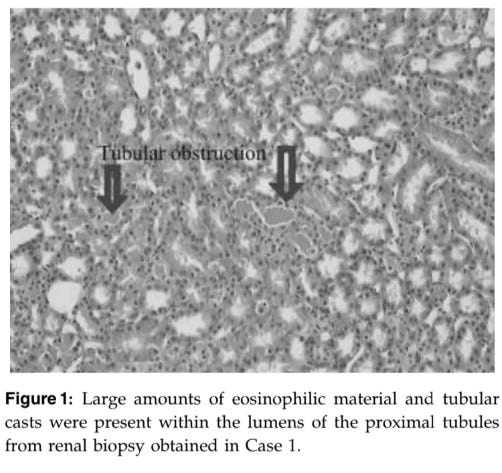
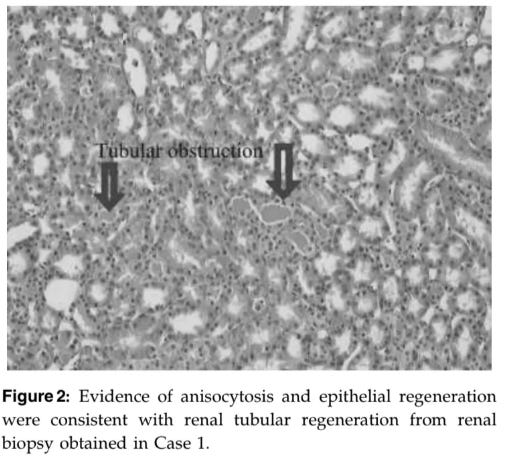
The dog was put on a feeding tube as more assorted treatments were performed. Eventually it survived and left the hospital. As of two years later, it was still living; however, it was suffering from food allergies. It’s kind of mind-blowing that a dog that apparently drank antifreeze and was fine was determined to be suffering from grape toxicity and became ill after the medical interventions began.
In another case, a dog ate an entire 20-ounce box of raisins (almost a pound and a half!) and threw up. The owner brought it to the vet, where it was diagnosed as having no issues. The next day it was brought to a different clinic, where it was determined to be dehydrated. This is when the lengthy list of treatments began. The dog was placed on a jugular catheter, pumped full of chemicals, and forced to undergo the painful kidney biopsy. Only after these treatments began did the dog’s health begin failing. The failing health created the need for more lab tests, which further proved the dog was horrifically ill. Because of this, the medical insanity continued. At one point, it was given fentanyl and plasma. After surgery, the dog began bleeding internally. The insane medical interventions continued. There are literally two pages of assorted treatments and chemicals they gave this poor creature. After nine days of vets performing morbid science experiments on the animal, the dog began having diarrhea, which was blamed on the raisins. It then went into cardiac arrest and died, and that box of raisins was said to be the culprit. All along nobody asked why a dog was so hungry that it ate nearly a pound and a half of raisins or why it was suffering from dehydration so severe that it went to the emergency room for it.
My opinion (and I am not a vet): If you want your animal to be healthy, feed it good food. If you are like the average American (a group I too was in), you think fish eat fish flakes and cats and dogs eat pelletized morsels. Why do we think this? Because we have been brainwashed into believing it to be true. When I stopped feeding my fish flakes and began feeding them whole foods (insect larvae, fresh frozen bloodworms, whole algae, and seaweed), they stopped having health issues. All animals are the same way. If you own a dog or cat, or any pet for that matter, I encourage you to watch the documentary Pet Fooled below. It is worth your time.
In closing, do I believe raisins, grapes, or fresh garlic are harmful to dogs? No. Equally, I do not believe a dog or human should eat a pound and a half of raisins in one sitting. The only situation in which I can see this occurring is because someone is starving and there are no other options available, and starving animals will become sick animals.
If you appreciate my journalism, hook me up with a coffee or become a paid sub! Subscriptions and donations help me afford to write articles. Most people don’t realize there are surprisingly many costs that go into research and writing. And be sure to check out my eBooks as well as those written by other wonderful authors like Jamie Andrews, Unbekoming, Cosmic Fellow, Grace Joubarne, Unorthodoxy, TM Ballentyne, and more who have joined us. Best of all, we have no advertisements and no sponsors. We are 100% funded through purchases and donations.
And a mega thank you to everyone who has purchased my newest 1,024-page ebook, Pizzagate. I think I accomplished something that should be in the Guinness Book of World Records (but never will be). I wrote this massive book in 90 days, releasing one chapter every third day. There are more chapters than what made it to Substack. Interestingly, the Guinness family themselves makes an appearance in the book. Grab your copy and preserve incredibly important truth for the next generation.

![Is Garlic Harmful to Dogs? Let's Review the Studies [by Agent131711]](https://dropinblog.net/cdn-cgi/image/fit=scale-down,format=auto,width=700/34264201/files/featured/7045f3d8-f1ba-46f8-85b6-308832f0c180-1400x788.webp)
![Introduction to THE EVOLUTION HOAX [Part 1 by Agent131711]](https://dropinblog.net/cdn-cgi/image/fit=scale-down,format=auto,width=700/34264201/files/featured/evo-1.png)
![Introduction to WWII: Laying the Foundation for What Is to Come [WW2 Part 1 by Agent131711]](https://dropinblog.net/cdn-cgi/image/fit=scale-down,format=auto,width=700/34264201/files/featured/40313432-85c6-4c51-9ab3-b94a534b1804.png)
![What You Never Knew About The Prison Industrial Complex [Part 1 by Agent131711]](https://dropinblog.net/cdn-cgi/image/fit=scale-down,format=auto,width=700/34264201/files/featured/prison-profits-thumbail.png)
![GMO Food? Lab Made Food? Or Outright FAKE FOOD? (Agent131711) [Part 1]](https://dropinblog.net/cdn-cgi/image/fit=scale-down,format=auto,width=700/34264201/files/featured/gmo-1400x788.png)

![Stupid Accusations About Authors That [Usually] Aren't True](https://dropinblog.net/cdn-cgi/image/fit=scale-down,format=auto,width=700/34264201/files/featured/stupid-things-people-say-788-x-1400.png)
![Pizzagate: The Final Chapter + Explosive Testimony! Erika Kirk Victim Speaks Out [by Agent131711]](https://dropinblog.net/cdn-cgi/image/fit=scale-down,format=auto,width=700/34264201/files/featured/aaeb0ec7-142c-4792-b8fb-a17b103755c9-1536x1024.webp)

![Operation Flicker: The Time the Government Caught the Bad Guys Who Turned Out to Be... Themselves [Agent131711]](https://dropinblog.net/cdn-cgi/image/fit=scale-down,format=auto,width=700/34264201/files/featured/operation-flicker-at-the-pentagon-1.png)
![Dissecting Evolution Theory [Evolution Hoax Part 3 by Agent131711]](https://dropinblog.net/cdn-cgi/image/fit=scale-down,format=auto,width=700/34264201/files/featured/evo-3.png)

