
![Is Garlic Harmful to Dogs? Let's Review the Studies [by Agent131711]](https://dropinblog.net/cdn-cgi/image/fit=scale-down,format=auto,width=700/34264201/files/featured/7045f3d8-f1ba-46f8-85b6-308832f0c180-1400x788.webp)

We have all heard how deadly garlic is to dogs, which came as a shock to us all the first time we heard it. I mean, how would something so tasty, something that is in gardens all over the world, be so unkind to man’s best friend? The vast majority of people (myself included) don’t know why exactly garlic is harmful; we just know it’s really nasty stuff that has resulted in serious consequences for canines worldwide. This made me wonder, how did we get here? How was this determined?
HOW GARLIC IS HARMFUL TO OUR FURRY FRIENDS
According to the medical-science industry, dogs that consume any form of garlic can develop anemia and other life-threatening blood conditions. The internet states in black and white, “No amount of garlic is considered safe.” Here are some AI summaries regarding the issues posed by garlic ingestion.
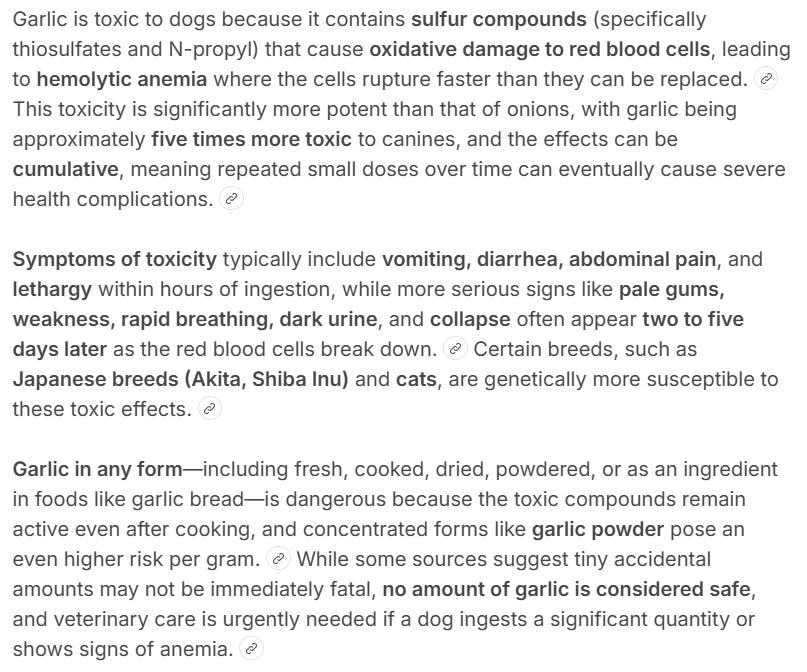
Wow, that sounds really horrible! But I have come to learn that you can’t take what the internet says at face value; always be sure to go to the source. However, trying to go to the source presents a problem, and that is that over the past five or so years, I noticed that internet search results, regardless of what browser you used, have changed. For example, if I type into the search box “studies showing garlic is harmful to dogs,” instead of providing me with studies showing garlic is harmful to dogs, the browser will provide me with articles about studies showing garlic is harmful to dogs, when that is clearly not what I am looking for.

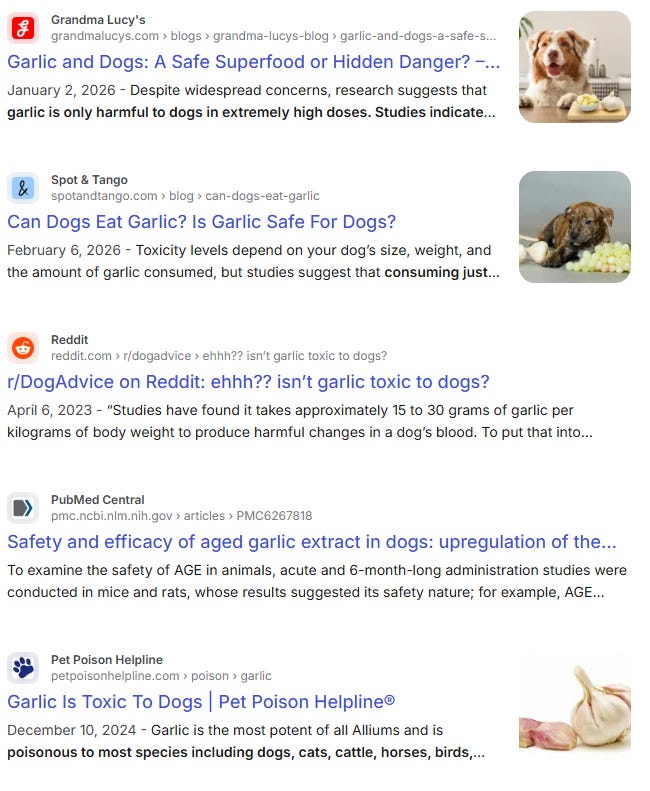
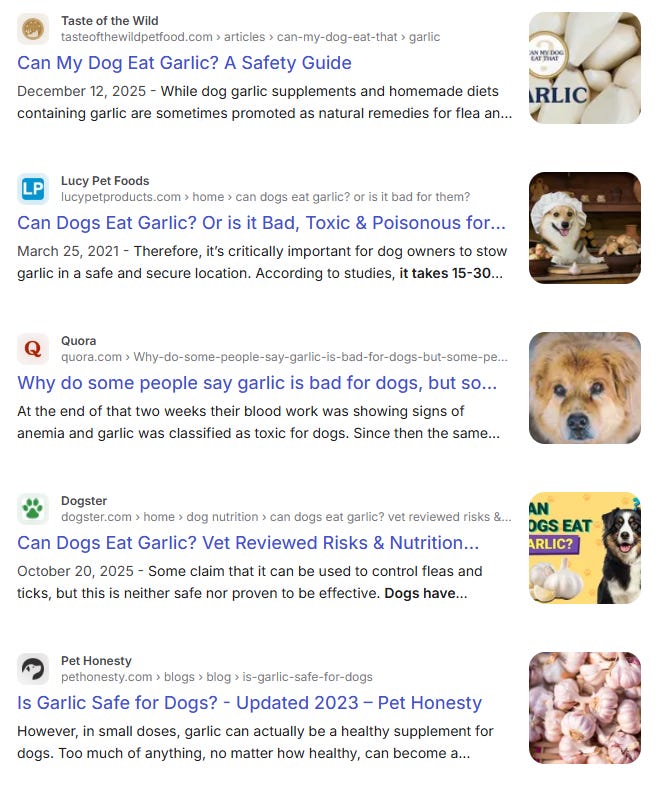
These publications rarely ever provide a link to the studies they write about. As a researcher, this has become hugely annoying. The next option is to dig through the NIH or other sites and invest time in trying to find something that should be so simple. Unfortunately, a lot of the content on the NIH is not actual studies but is instead assorted articles about studies and articles that reference studies, but many times the links to the studies lead you to paywalled sites or other summaries, none of which provide you with access to the actual study. It’s quite frustrating to waste so much time trying to locate something that should be the first search result on the first page of every internet browser.
I should also mention my relationship with ChatGPT has been an overall failure. Aside from helping me bang out a few graphics, it seems everything I want to access is labeled “conspiracy” and not provided to me, or it has been made completely off limits. And the stuff that is labeled conspiracy is stuff that clearly isn’t. People told me to instead use Gab AI, but that just produces pages of error codes each time I try, so I decided to give ChatGPT another try. I asked it to provide the best studies proving garlic is harmful to dogs, and today we will be reviewing the list. Are you ready?
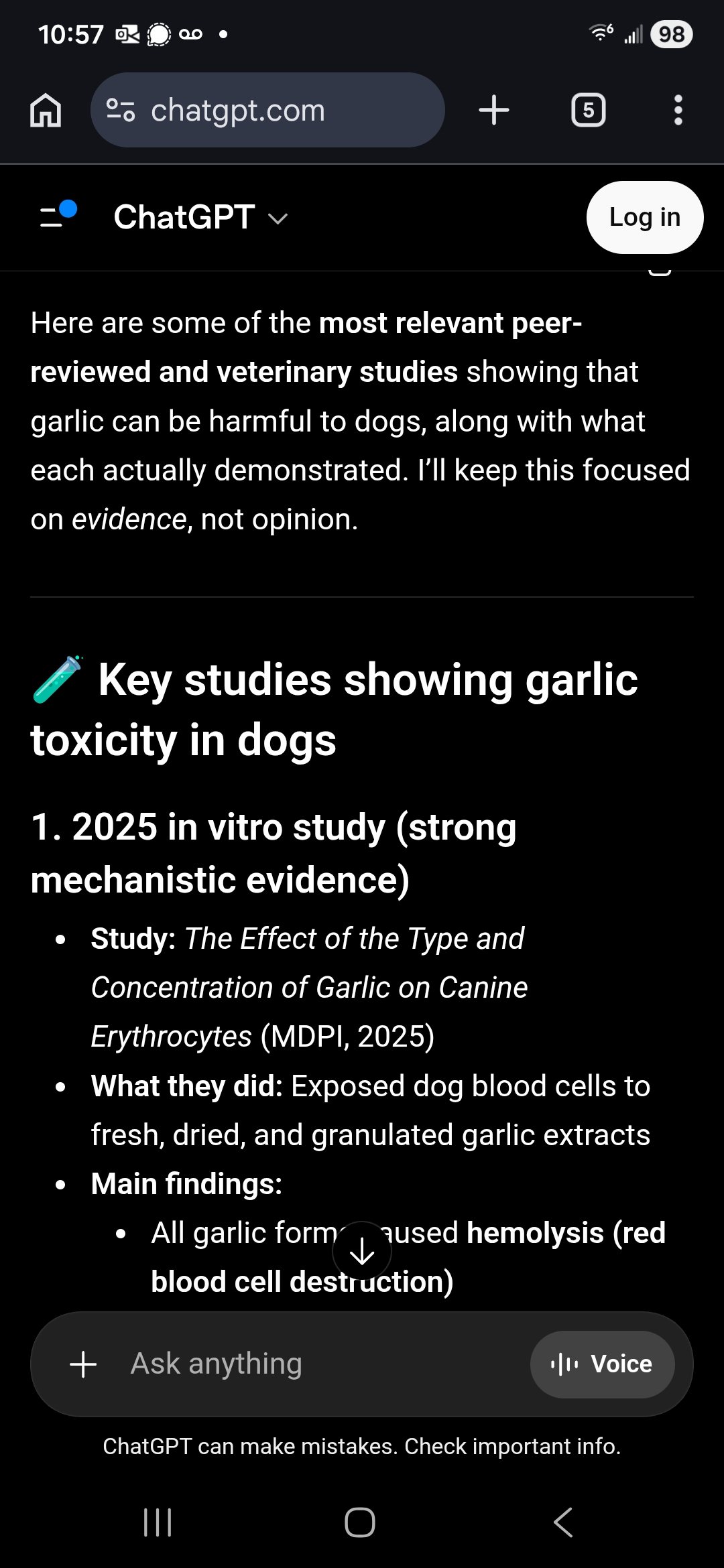
THE STUDIES
You would think, as any logical person would, that this fact that garlic is deadly to dogs is derived from people feeding their dogs garlic, and then having them become horribly ill and quite possibly die, right? Therefore, you would think, as any logical person would, that when science wanted to test this fact, they would get a group of equal dogs, say 12 black labs of approximately the same age and size. All the subjects would be fed a matching whole foods diet and provided clean water while given plenty of time to play outside and lots of attention because you would want to make sure there is no other factor that could cause illness. For example, locking a dog in a laboratory cage is enough to cause sickness from stress, and should that happen, it would be impossible to tell if the illness was caused by the stress or by the variable, which in this case would be the addition of garlic fed orally to half of the dogs. Because garlic is so harmful to dogs that no amount is safe, the six dogs who were given the addition of garlic should quickly fall ill, and that would further solidify the fact that garlic is harmful, right?
THE FIRST STUDY
This is a newer study from 2025 that was called “The Effect of the Type and Concentration of Garlic (Allium sativum) on Heinz Body Concentrations in Canine Erythrocytes.” I had not the slightest clue what an erythrocyte was, so I looked it up. It means red blood cells. So, for laymen, this study is titled “The Effect of Different Types of Garlic on a Dog's Red Blood Cells.”
This study began by obtaining three types of garlic: fresh, dried, and granulated - sounds like we are off to a good start! I was expecting Step 2 to say they were loaded onto teaspoons, but nope. This is where it all goes downhill.
The garlic was turned into extracts, which involved a chemical process using 70% ethanol. Once “extracted,” the solution, which was called garlic, was further diluted with phosphate-buffered saline (PBS). And finally, more PBS and ethanol were added to create one big chemical concoction that science then claimed was the same as the fresh, dried, and granulated garlic that they once had.
Now it was time to bring in the dogs, and at this stage you're thinking they are going to feed the garlic chemical stuff to the dogs, but you’re wrong again. Instead of giving the canines the garlic solution, the scientists extracted blood samples. They wrote, “Blood was collected into tubes containing EDTA as an anticoagulant, and the remaining material, left after standard hematological and biochemical analyses, was used for the in vitro experiment.” So here we have even more chemicals added to the experiment, and if you don’t know, EDTA is made from cyanide. Not kidding. I even wrote about it.
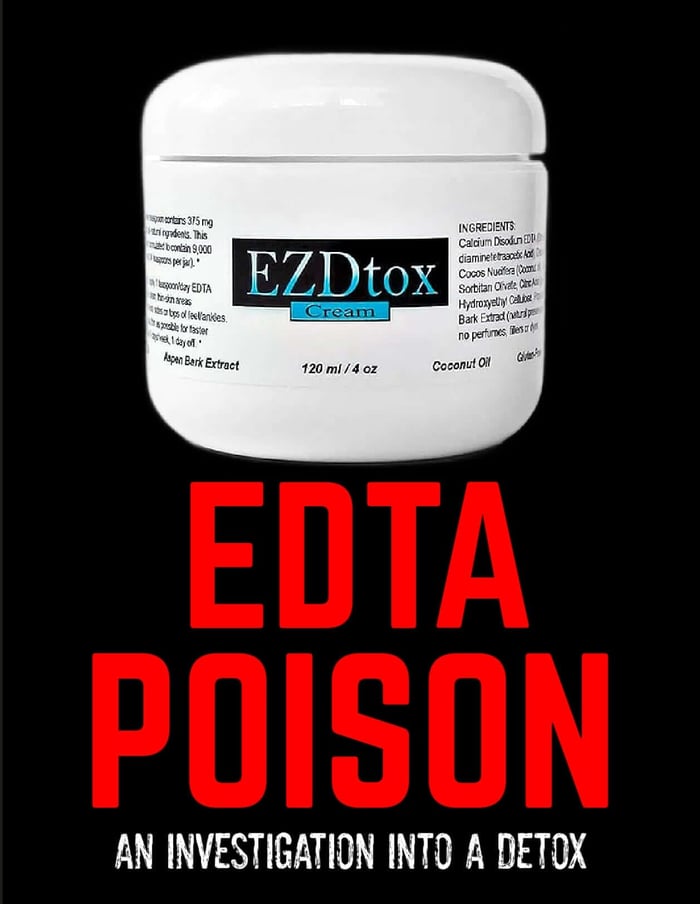
So, after the poison was mixed into the blood to keep it from clotting, whatever material they extracted was used for the rest of the experiment, which occurred in a petri dish.
Next, they claimed to isolate the erythrocytes (red blood cells) and then centrifuge (spin in a machine) whatever they are calling “the whole blood” three times at 4°C (39°F). Because, you know, if we want to find out if garlic hurts dogs, we need to poison a blood sample and spin it in machines. That makes sense to scientists.
Even that’s not the end of it. The samples were then incubated with more chemicals, and this is when assorted garlic solutions were added. This is such a boring, ridiculous study that you should thank me for watering it down for you - no pun intended.
Skipping ahead, when it came time to determine if garlic was the devil or not, the scientists dumped more chemicals on whatever was left of what once was dog blood, put it under a microscope, and counted what they claimed were “Heinz bodies.”
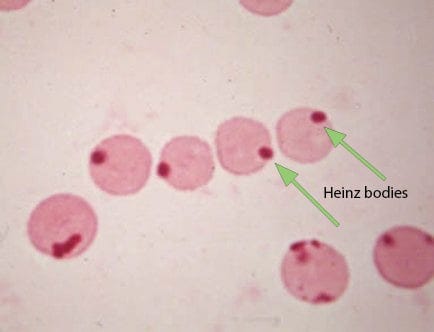
They ended up with this nonsense.
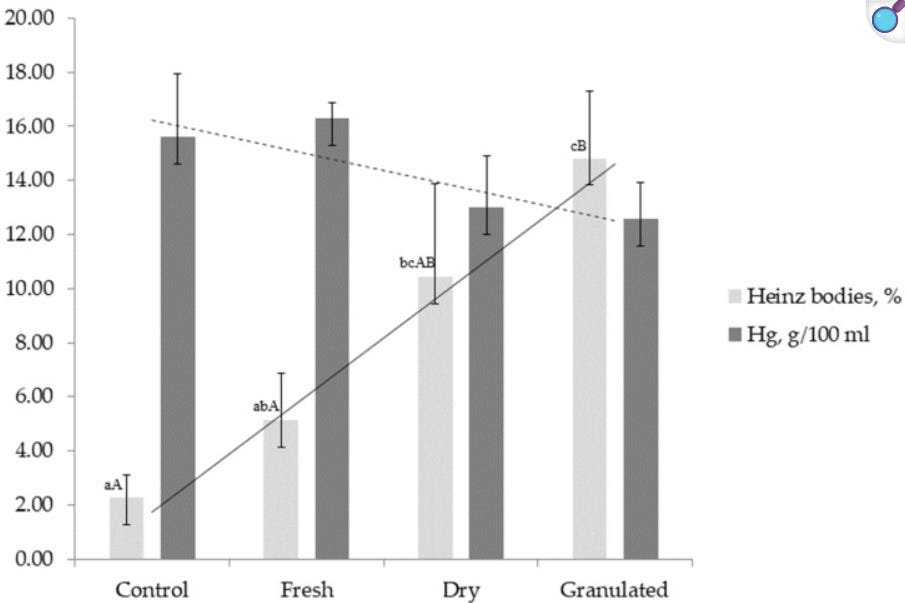
The conclusion was, “Our in vitro experiment demonstrated that the form of garlic significantly influences its hemolytic potential. Granulated and dried garlic caused a higher proportion of damaged erythrocytes and Heinz bodies than fresh garlic, which produced only mild changes.”
In summary, these scientists took garlic, ran it through a bunch of processes involving a flammable chemical that is used to make alcohol, then withdrew blood from animals, beat the absolute shit out of the blood, put the ethanol-garlic potion on it (which they called “extract”) then exclaimed that what was left of the blood had a reaction to their potion and called that evidence of garlic harming dogs. Onto the next study recommended by ChatGPT as the best evidence that garlic is toxic to dogs….
THE SECOND STUDY:
This study was conducted back in 2000 by KW Lee et al. at Hokkaido University in Japan. In it they administered 1.25 ml of garlic extract per kg of body weight. That’s the equivalent of a 48-pound dog (22 kg) eating 25 large garlic cloves! It is highly unlikely a scenario of this nature would ever occur in real life unless the only food the dog had access to was a truckload of garlic bulbs, but I suppose if your goal is to show something can make an animal sick, this would be the way. However, come the end of the study, none of the dogs were showing any outward signs of toxicity! Additionally, none of them developed anemia.
Then the scientists took blood from the animals and performed a bunch of lab coat voodoo (probably the same series of techniques listed above), and through this voodoo they were able to declare garlic ingestion can induce hematologic toxicity consistent with hemolytic anemia. Fun fact: This is one of the most cited live animal studies that people claim demonstrates the true dangers of garlic, so when science tells you garlic is harmful, chances are this is the paper they are referring to, and since nobody bothers reading the studies, it is just assumed that the person making the claim is right, but as you can see, if you actually read the study, you discover the scientists could not make the dogs sick by feeding them garlic.
THE THIRD STUDY
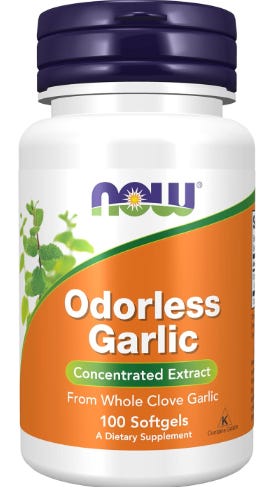
This one took place in 2005 and was carried out by Yamato et al. In this experiment, beagles were orally administered an “odorless aged garlic extract” called AGE at a high dose of 45 or 90 mg/kg body weight once a day for 12 weeks. For reference, this bottle is 100 mg.
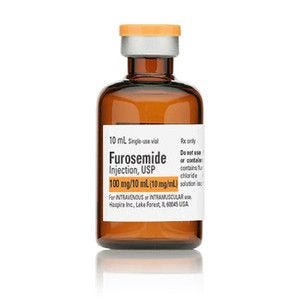
So these dogs were getting almost as much as that bottle for every two pounds they weighed, so if the dog weighed 20 pounds, it was getting more than nine of those bottles worth of whatever “odorless garlic extract” is, per day, for 12 weeks.
Now you would think that would be enough to make the dogs incredibly sick, but to the complete and total shock of the scientists, not only did the dogs not become ill, but even the lab coat voodoo they performed on the blood did not demonstrate the dreaded “Heinz bodies.”
THE FOURTH STUDY
ChatGPT called this one a “real-world poisoning case,” so I was especially interested. In this instance, a 4-year-old male miniature schnauzer had anorexia. The vet or scientists or whoever was overseeing the sick dog must have asked if it ingested garlic. The owner said yes, the dog had been fed garlic and onion dumplings two days prior. Now knowing the culprit, blood was withdrawn, and science claimed it found Heinz bodies; therefore, the dumplings, which contained garlic and onion, were conclusively the one and only cause for the dog’s illness. Let’s keep in mind that anorexia doesn’t happen overnight. There is no one food you can feed a living species that will turn a healthy creature into skin and bones. Anorexia is caused by a lack of nutrition, so just the premise that one night of dumplings was responsible for the dog withering away to nothing is ridiculous, yet the vet never asked what the creature was fed on a regular basis or even if it was fed on a regular basis.
Regardless of how absurd it is, this exact case was then republished in the Journal of the American Animal Hospital Association, and it became a supporting piece of evidence that proved the findings of the wacky experiments to be true.
THE FIFTH STUDY
This one wasn’t exactly a study, yet ChatGPT gave it to me as evidence: the Merck Veterinary Manual, 2024 edition, which, without a single reference, proclaims garlic and onions are harmful to dogs.
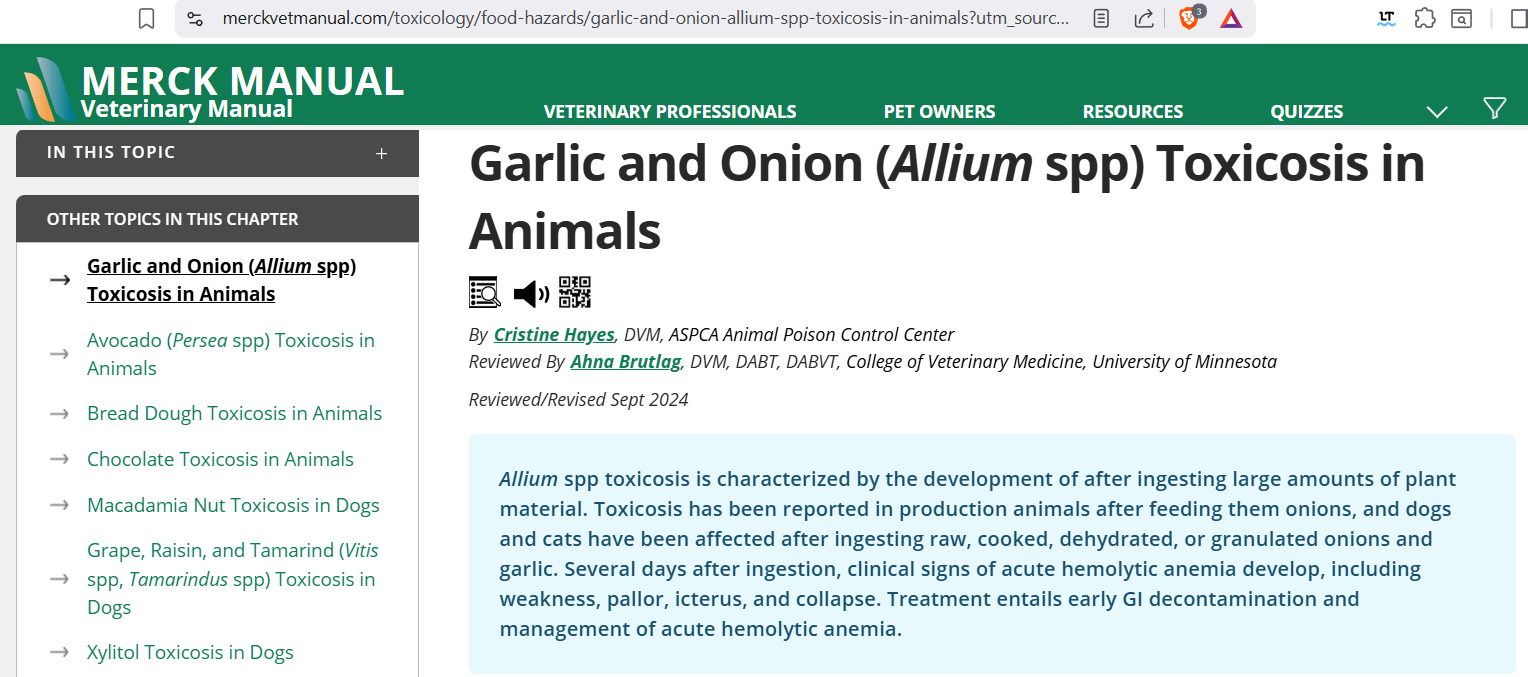
So, as you can see, even after asking ChatGPT to provide the best evidence that garlic is harmful to dogs, we come up empty-handed (unless you believe in lab coat voodoo.)
That said, let’s discuss the difference between types of garlic.
FRESH GARLIC vs SUPPLEMENTS
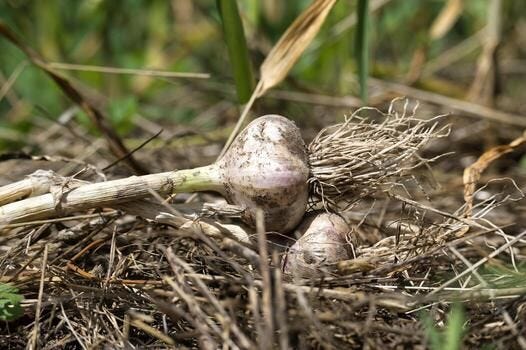
This is fresh garlic.
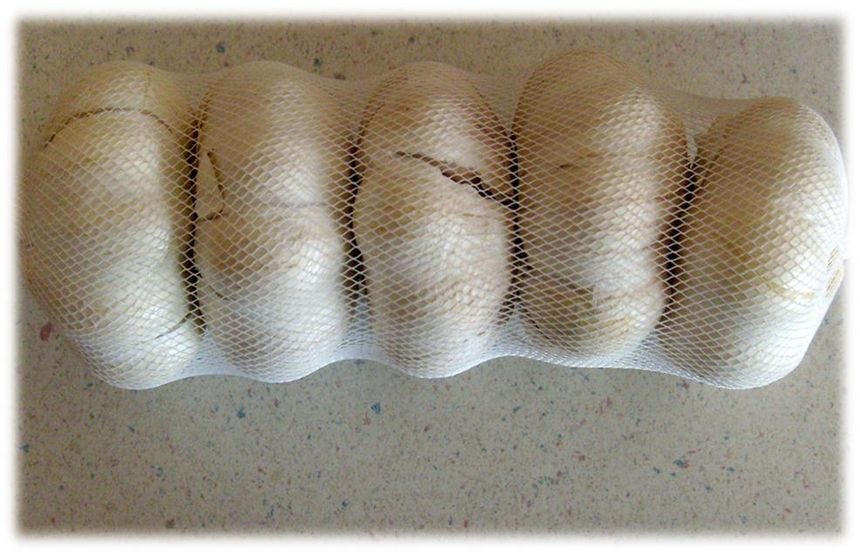
This is fresh garlic that has been lightly processed.
This is heavily processed garlic.
PROCESSING
When supplements in general are made, including garlic supplements, industrial processing must be performed. Garlic powder, which will often be jammed into pill shells, is often irradiated and treated with sulfur dioxide, a preservative to prevent browning, as well as anti-caking agents like silicon dioxide. Sulfur dioxide is a nasty, hazardous chemical, according to the manufacturer of the chemical.
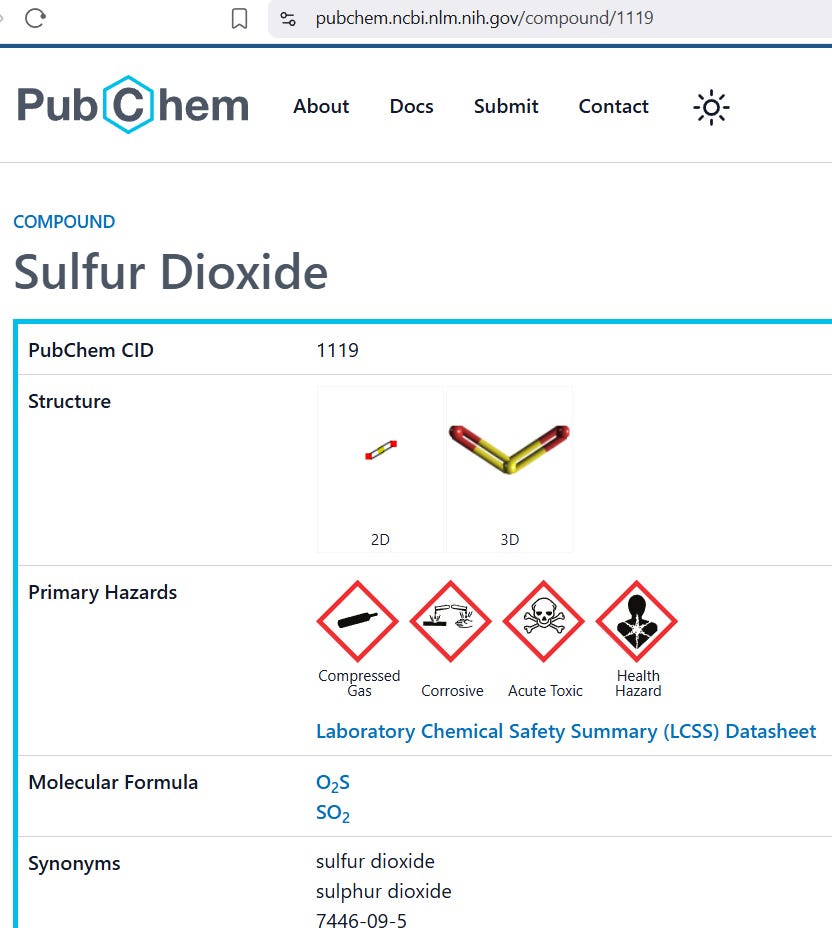
It is used to bleach wood pulp, paper, and food. It is also used for waste treatment, in metal and ore refining, and in oil refining. Despite its hazardous properties, it is used in the manufacture of corn syrups and molasses, wine, beer, and even used as a water treatment. This is because it kills everything, so it annihilates bacteria, mold, and yeasts. I assume you can see how ingesting this chemical could cause illness, but this chemical is only in the processed versions of garlic. Fresh garlic does not contain these chemicals.
Garlic oil, on the other hand, is either steam-distilled, which uses heat and steam (no added chemicals), or is made through a chemical process involving concentrates of sulfur compounds.
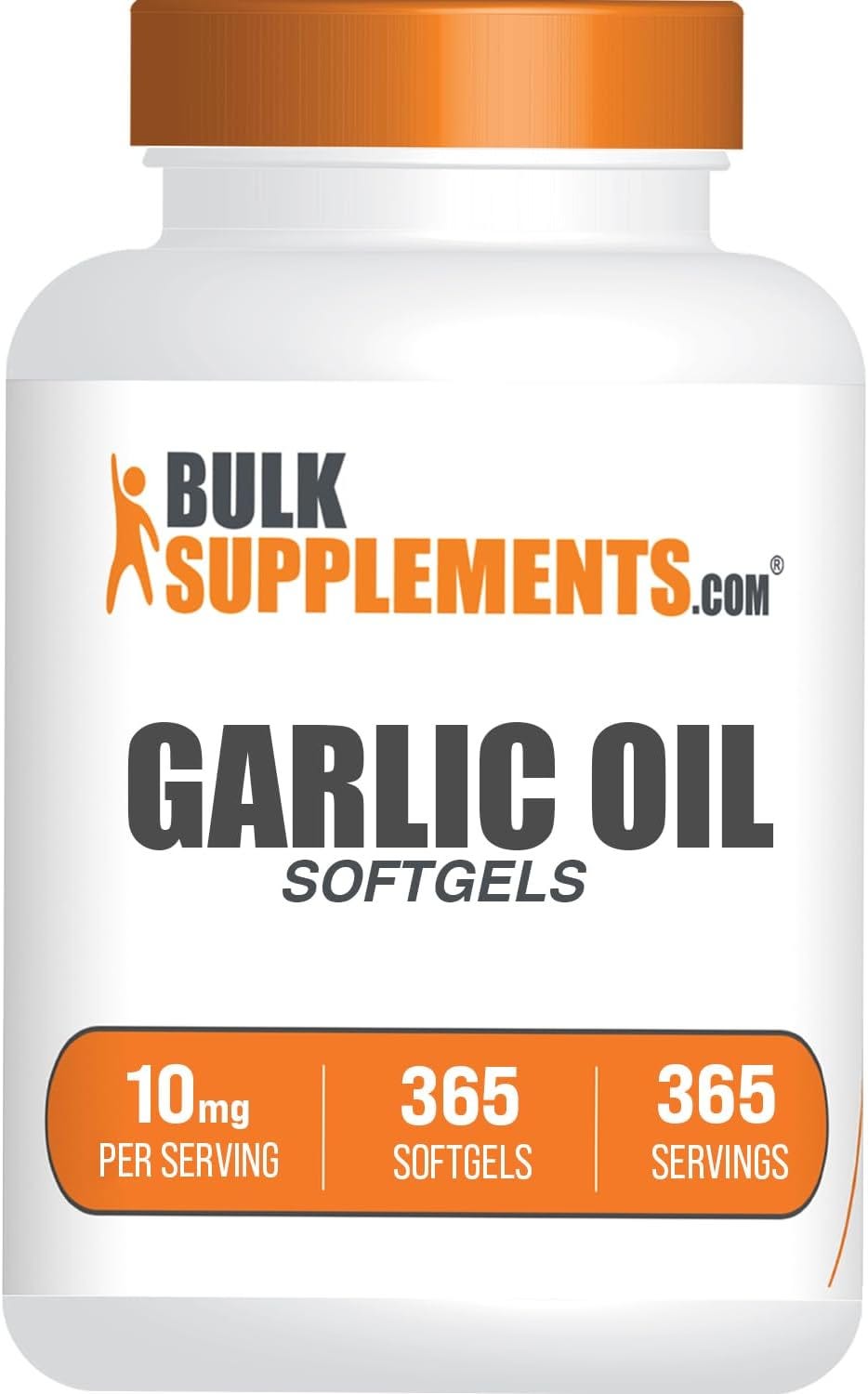
Unless you can verify that the garlic oil you are purchasing is steam distilled, it was processed in a vat of hazardous chemicals. Either way, the garlic is typically soaked in vegetable oil, which is usually soy or seed oil because they’re cheap.
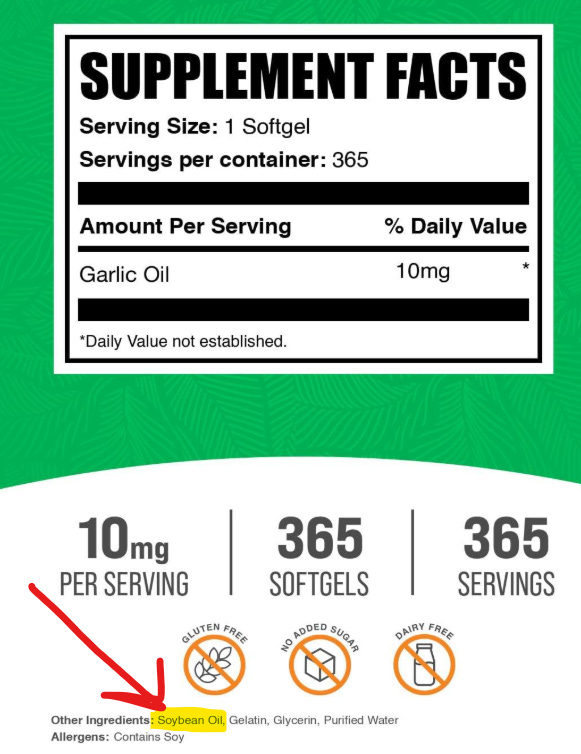
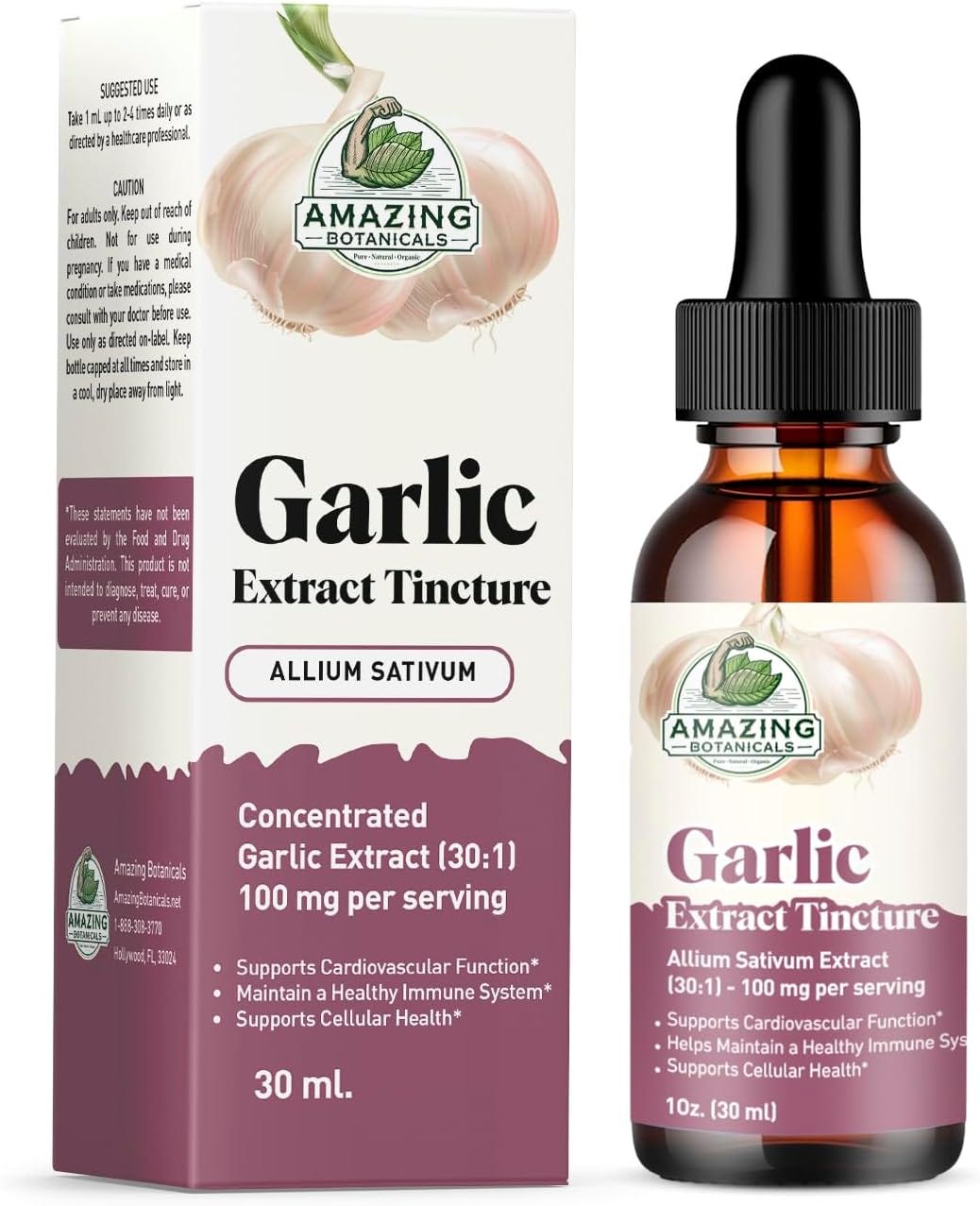
Some garlic (especially imported or mass-stored) may be treated with chlorine-based washes and fungicides to prevent mold during storage.
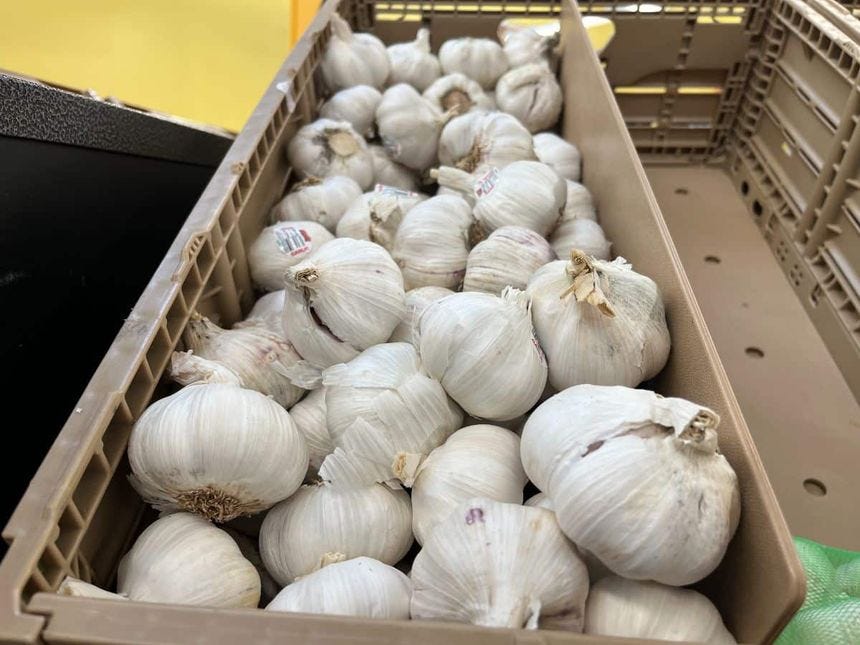
It is also treated with growth inhibitors like maleic hydrazide to prevent sprouting.
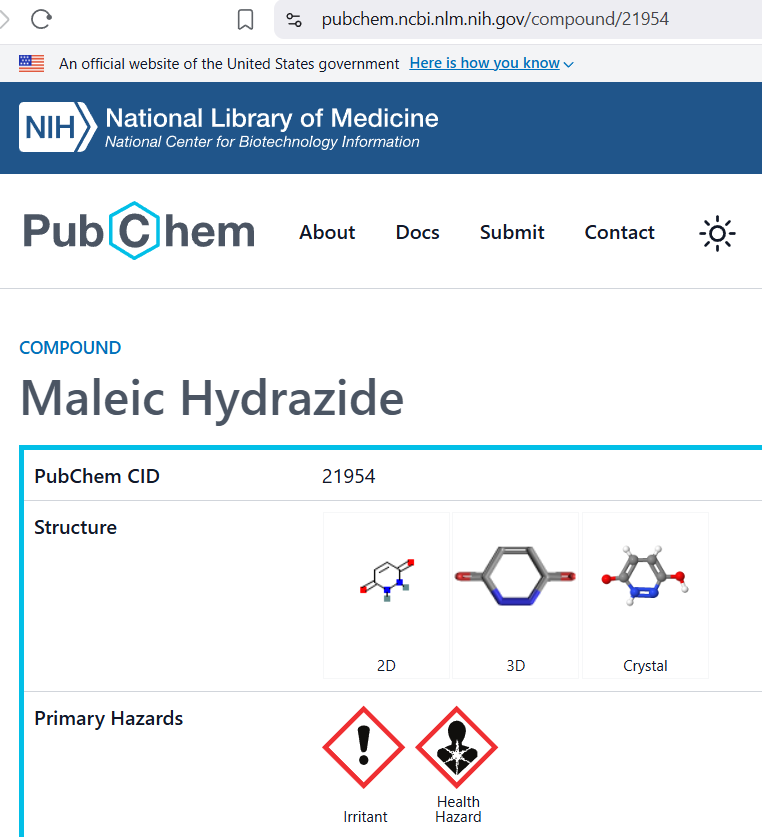
Anything that kills life (mold, yeast, bacteria, etc.) is harmful to other life. Chemicals don’t have brains and eyes; they cannot assassinate only the “bad bacteria,” so chemicals kill all bacteria. This includes what science calls “beneficial bacteria.”
As you can see, it’s not the garlic that is harmful; it is the chemicals that man dumped all over it. That said, according to U.S. Environmental Protection Agency (EPA) surveys, over 75% of US households use pesticides, and in a single year, in America, over 90 million pounds of herbicides are sprayed on lawns. Beyond Pesticides reports, “Of 30 commonly used lawn pesticides, 13 are probable or possible carcinogens, 13 are linked with birth defects, 21 with reproductive effects, 15 with neurotoxicity, 26 with liver or kidney damage, 27 are sensitizers and/or irritants, and 11 have the potential to disrupt the endocrine (hormonal) system.” If you are spraying this stuff in your home and yard and your dog eats anything covered in it, he is going to get sick, and the sickness wasn’t caused by the grass or garlic; it was caused by the chemicals on the grass or garlic. Yet the chemicals cannot be blamed because if they ever are, this can lead to financial repercussions for the chemical makers.
In closing, there simply isn’t any evidence that garlic causes harm to dogs, but there are boatloads of evidence that chemicals of all varieties cause serious harm to dogs. If a dog consumes garlic and later becomes sick, pet owners should not have tunnel vision and assume the actual garlic is the cause of the illness.
At this point in time, I assumed the “fact” that raisins and grapes are poisonous to dogs would be an identical story, so I wasn’t going to research it, but curiosity got the best of me, and I did a little research. To my surprise, it is a completely different tale.
NEXT READ: ARE GRAPES AND RAISINS TOXIC TO DOGS?
If you appreciate my journalism, hook me up with a coffee or become a paid sub! Subscriptions and donations help me afford to write articles. Most people don’t realize there are surprisingly many costs that go into research and writing. And be sure to check out my eBooks as well as those written by other wonderful authors like Jamie Andrews, Unbekoming, Cosmic Fellow, Grace Joubarne, Unorthodoxy, TM Ballentyne, and more who have joined us. Best of all, we have no advertisements and no sponsors. We are 100% funded through purchases and donations.
And a mega thank you to everyone who has purchased my newest 1,024-page ebook, Pizzagate. I think I accomplished something that should be in the Guinness Book of World Records (but never will be). I wrote this massive book in 90 days, releasing one chapter every third day. There are more chapters than what made it to Substack. Interestingly, the Guinness family themselves makes an appearance in the book. Grab your copy and preserve incredibly important truth for the next generation.

![Are Raisins and Grapes ACTUALLY Toxic To Dogs? [By Agent131711]](https://dropinblog.net/cdn-cgi/image/fit=scale-down,format=auto,width=700/34264201/files/featured/e6dfb138-526f-43e7-bca7-19f4109562e3-1400x788.webp)
![Introduction to THE EVOLUTION HOAX [Part 1 by Agent131711]](https://dropinblog.net/cdn-cgi/image/fit=scale-down,format=auto,width=700/34264201/files/featured/evo-1.png)
![Introduction to WWII: Laying the Foundation for What Is to Come [WW2 Part 1 by Agent131711]](https://dropinblog.net/cdn-cgi/image/fit=scale-down,format=auto,width=700/34264201/files/featured/40313432-85c6-4c51-9ab3-b94a534b1804.png)
![The Satellite Hoax: The First Photo of Earth From Space, Propaganda & Johns Hopkins [Part 1]](https://dropinblog.net/cdn-cgi/image/fit=scale-down,format=auto,width=700/34264201/files/featured/satellite-part-1-1.jpg)