

To clarify, my point is that enduring ecological balance is best attained by observing and learning from natural patterns, rather than through intrusive human management. In this discussion, I will provide substantiated examples and logical reasoning to support this position. I welcome a reasoned and logical exchange of ideas.
I was raised among individuals with a remarkable ability to interpret animal behavior—observing them was a lesson in subtlety and keen perception. For example, a mare shifting her weight could indicate pregnancy, a cow standing apart often signaled impending calving, and the movement of a solitary deer could reflect separation from the herd. These observations stemmed from carefully honed natural awareness—an attribute less common today as many are distracted by screens. This attentive observation of natural cues has fundamentally shaped my perspective on ecological balance.
Historically, when herd populations became excessive, ecological balance was maintained through natural processes such as drought, famine, and territory loss. While these cycles can be challenging to witness—particularly given ongoing human habitat disruptions—they represent nature's regulatory mechanism. Birth and fertility rates naturally decline under stress and scarcity. Human intervention was reserved for exceptional circumstances, such as injury or infection. This restrained approach stands in contrast to current interventionist practices, where the notion of managing nature would once have been viewed as both unusual and counterproductive by those concerned with long-term ecological impact. This contrast highlights the shift toward management strategies that may deliver short-term results but risk long-term environmental decline.
Here in Northern Communist California, Eucalyptus and fennel grow because the soil and ecosystem changed during industrialization. In this context, when people interfere—like planting native species in local parks—they often fail; dead plants and abandoned chicken wire are the only results. The so-called undesirable plants are actually restoring the soil, preparing it for native species, or creating a new ecosystem that’s equally valuable.
CHORNOBYL, MANAGEMENT, STERILIZATION, VACCINES, TRACKING
For example, National Geographic tells us in plain English that Chornobyl is thriving. The ecosystem has returned and is supporting massive populations of nearly once-extinct animals for one reason: humans are not spending time in the “exclusion” zones. Apparently, they didn’t get the memo about the damage.
In case you need a refresher, on April 26, 1986, the Number Four RBMK reactor at the nuclear power plant in Chornobyl, Ukraine, went out of control during a low-power test, leading to an explosion and fire that demolished the reactor building and released large amounts of “radiation” into the atmosphere. Yet somehow, the plants and animals continued to thrive after this radiation disaster.
Yet despite such examples, everything is now managed, and narratives are created. Authorities claim soils are depleted, radiation zones are hazardous, and animals are suffering—claims you can’t confirm firsthand. Animals look healthy, but supposedly their DNA is damaged. Even if several generations appear normal, official observers insist the population is unhealthy.
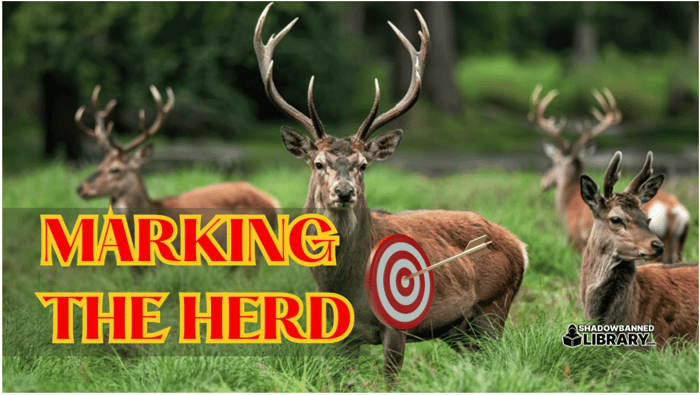
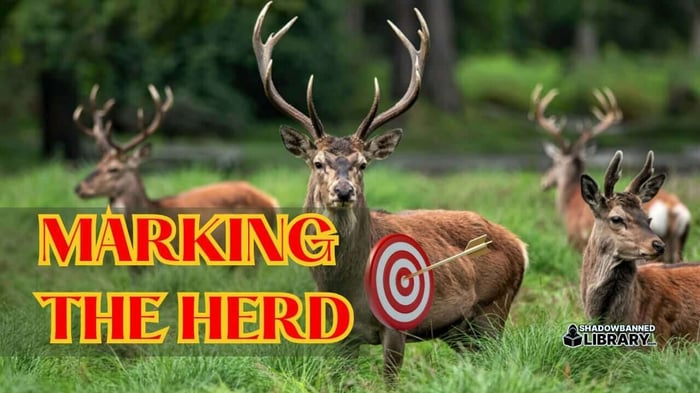
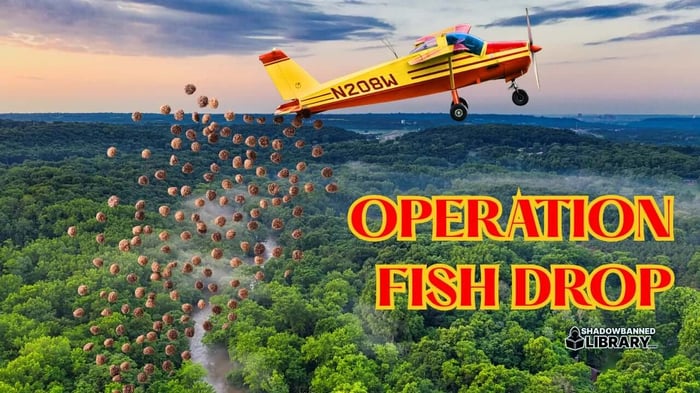
Instead of presenting observable reality, authorities rely on formulas delivered via darts and baits dropped from planes. Furthermore, intervention tools like vaccines are increasingly used not to heal, but to prevent something more basic: natural-born life. These interventions signal a shift from letting nature rebalance itself to managing it at every level.
Some interventions attack animal fertility in the name of balance—citing overgrazing, accidents, and public complaints. Although these measures are presented as practical and humane, I question who benefits from such care. This skepticism is important as we assess management strategies.
Nature has always known how to thin a herd. There is no other way. No other option. No other course. Nature exists as it is because it is. Everything is present due to the current environmental circumstances. This is why I say to look to Mother Nature as the blueprint. There are no mistakes in nature. Soil not tilled or factory-farmed is healthy and nutrient-dense—no soil depletion here. That’s a story made up to sell vitamins and supplements. With this foundation, let’s examine what happens when natural systems are altered by interventions like vaccines.
If a vaccine alters reproduction in one animal, what does that mean for the rest of the herd? This question extends beyond individual impact—to what happens in terms of social behavior, mating patterns, hierarchy, stress, and migration. If a hunter eats that animal, what exactly is being consumed? If a predator eats it, what moves up the food chain? Questions like these highlight the interconnected consequences of intervention.
And if a population can be managed by interrupting its ability to continue, what does that make the population? It becomes not just a group of living beings, but a resource, a number, a problem to be solved. This redefinition is a logical outgrowth of the mindset that treats nature as something to be constantly managed—an idea that contrasts with traditional respect for natural balance.
After years spent observing wildlife patterns, I know that when something changes quietly, it rarely announces itself. Over time, I have noticed subtle shifts and eventually stopped asking what kind of world requires living things to be managed as inventory. These gradual changes are easily overlooked until their effects accumulate and become undeniable, as shown in earlier intervention examples.
This shift, from trusting nature to increased human interference and management, is at the center of my argument. It moves us away from genuine ecological balance by undermining nature's proven ability to regulate itself.
FROM MANAGEMENT TO MECHANISM
Once people believe that nature cannot be trusted to regulate itself, they see reproduction as a problem to be fixed. This leads to fertility being targeted through technological solutions, which fundamentally shifts our relationship from respect and observation to intervention. This pivotal change extends to how we treat both animals and humans, setting up the context for fertility vaccines.
This is where wildlife fertility vaccines come into play.
Beliefs regarding population control underpin the rationale for developing wildlife fertility vaccines. These vaccines are promoted as non-lethal, reversible, and humane, allegedly reducing suffering, starvation, overgrazing, and human-animal conflict. While presented as a modern alternative to traditional management, their true impact warrants critical evaluation beyond surface-level arguments.
What is rarely discussed is what these vaccines actually are, what they are made of, and what kind of relationship they create between human systems and animal biology. To explore this fully, we need to understand the technical composition and implications of these interventions. Let’s proceed to examine how these vaccines are made and how they function in practice.
Wildlife fertility vaccines like GonaCon are industrial products assembled from materials sourced from modern supply chains. The active target is a hormone called GnRH, which controls the release of reproductive hormones in mammals. This synthetic version of GnRH is manufactured using petroleum-based sugars as a base, combined with processed nitrogen and hydrogen gases, and stabilized with sulfur-containing compounds that come from oil and gas refining. These ingredients are chemically assembled to mimic a hormone the body already produces.
That synthetic hormone is then attached to a large foreign protein taken from the blue blood of sea snails. This protein contains copper, which comes from mined ores. Its role is not reproductive. Its role is to trigger the immune system’s response. Without it, the body would ignore the synthetic GnRH. As a result, the immune system treats the hormone as a threat.
The mixture is suspended in purified mineral oil derived from crude petroleum, blended with plant-based emulsifiers to keep it evenly mixed, and combined with fragments of bacteria grown in tanks and then killed. These bacterial fragments act as immune stimulants. Their job is not to treat disease, but to make the immune system respond aggressively.
When this vaccine is injected, the animal’s immune system begins producing antibodies against its own reproductive signaling hormone, trying to protect the body from invaders that mimic the innate GnRH. Those antibodies bind to GnRH and block it from doing its job. GnRH normally tells the body to release the hormones that control ovulation, sperm production, and mating cycles. When GnRH is blocked, those downstream hormones stop being released.
Ovulation stops. Sperm production drops. Fertility pauses. To understand how these vaccines work, it helps to separate what grabs the immune system’s attention from what actually causes the fertility shutdown. The blue-blood protein from sea snails is not the part that affects reproduction. Its role is to act like a bright warning flag. On its own, this protein would only trigger a symptomatic reaction, similar to an allergy or inflammatory response. It would not selectively interfere with fertility. The body would react to it as a foreign substance, but it would not learn to attack any reproductive hormones.
The fertility effect comes from what is attached to that protein. Scientists chemically bind a copy of the animal’s own reproductive signaling hormone, GnRH, to the large foreign protein. This forces the immune system to notice the hormone when it normally would not. Once the immune system is trained to recognize this hormone as a threat, it begins producing antibodies against it. Those antibodies then bind to the animal’s natural GnRH and block it from sending its normal signals. Without those signals, the body stops releasing the hormones needed for ovulation and sperm production.
The animal does not collapse. It does not appear sick. It still eats, moves, socializes, and mates. What changes is not behavior on the surface, but the biological future.
This is described as temporary, though in practice it can last years and sometimes becomes permanent after repeated dosing. It is described as non-lethal, though its effect is not neutral. It interrupts biological synergy and natural order. You can’t interrupt any one thing in the entire system without causing echoing disruptions throughout the system.
While this may sound technical and controlled, its effects are ecological. Reproduction is not an isolated process. It shapes herd structure, mating hierarchies, social bonding, territorial behavior, migration timing, stress patterns, and predator-prey relationships. When reproduction is altered, those systems shift with it. Meaning the weak and damaged can now proliferate, and the strong alphas that would have produced the offspring are now sterile. Just like in the human sector.
This is not just about preventing births. It is about reshaping how a healthy population once existed.
That raises a deeper question about what kind of solution this really is. Whether suppressing reproduction through industrial chemistry is conservation, or whether it represents a different relationship to life altogether.
FROM WILDLIFE MARKING TO BIOLOGICAL RECORDS
In wildlife management programs, tracking is not accomplished through proximity or observation over time. It is accomplished through chemistry. The use of tetracycline in bait programs to combat “rabies” and other made-up contagious diseases is not incidental. It is chosen precisely because of its affinity for calcium-rich tissues. When an animal consumes bait containing tetracycline, the compound becomes incorporated into the formation of bone and tooth material. This allows researchers, sometimes years later, to determine whether that animal ingested the bait by examining skeletal tissue under ultraviolet light.
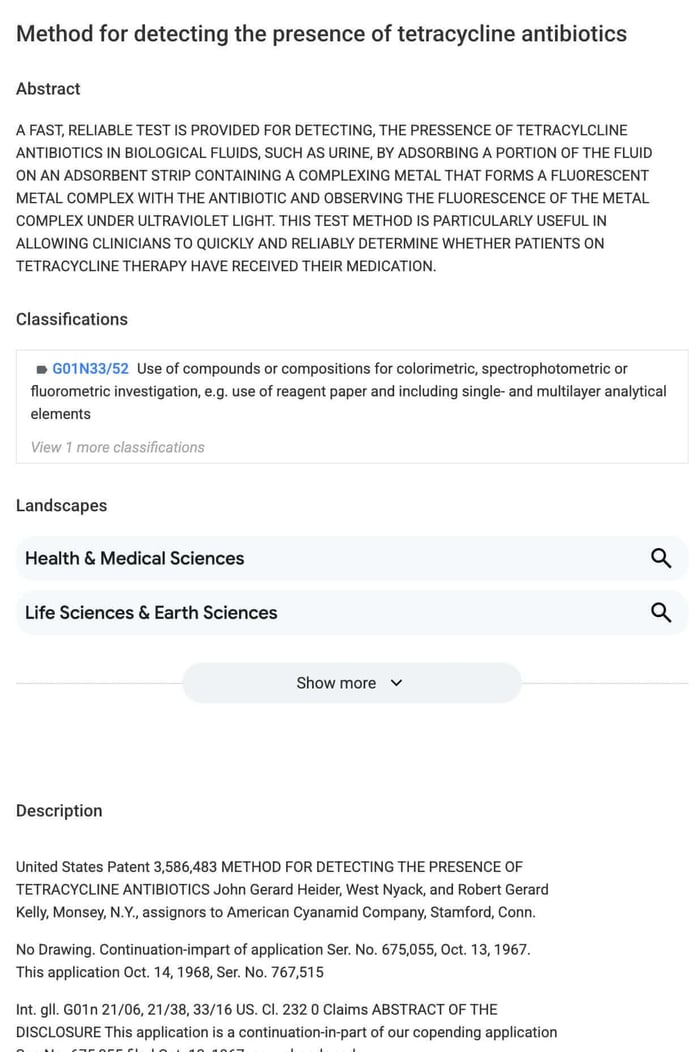
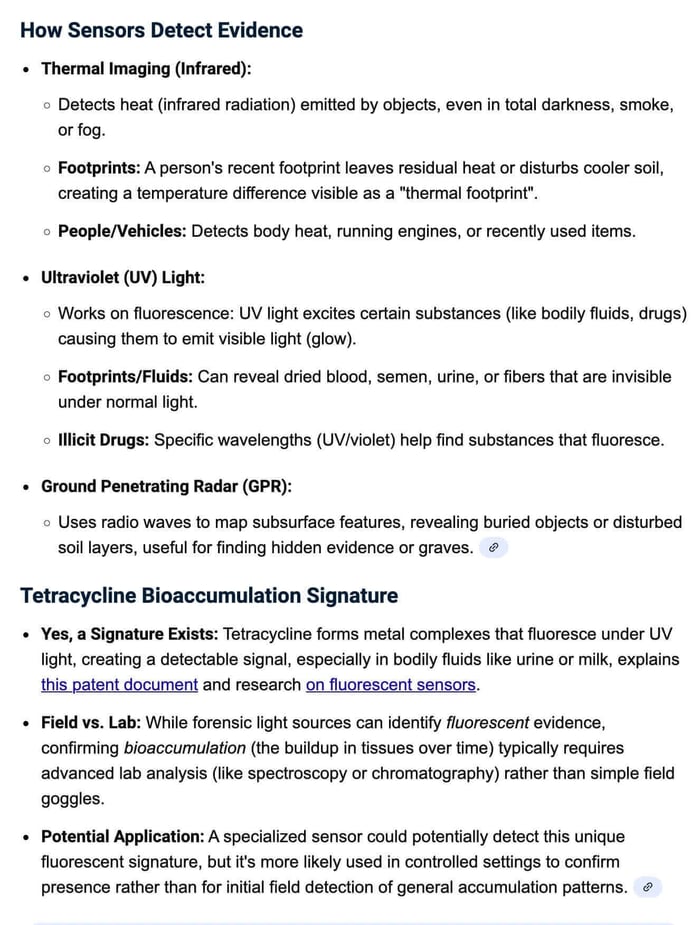
This matters because it reveals a broader logic at work. Tracking is not achieved solely through external tags, but by embedding permanent records within the body itself. Bone and teeth are treated as long-term storage media.
This same biological principle is already being used in human medicine and consumer exposure, though it is rarely framed as tracking.
Several classes of drugs prescribed today have a known tendency to bind to calcium-rich tissues and remain there long-term. Tetracycline-class antibiotics are the most widely recognized examples. Drugs such as minocycline, doxycycline, tigecycline, and demeclocycline are known to deposit in teeth and bone during mineralization. In children, this can result in permanent accumulation. In adults, particularly with long-term exposure, deposition still occurs, sometimes with visible discoloration and bioaccumulation.
Minocycline is especially known for its high tissue affinity and has been associated with long-term skeletal discoloration, including a condition colloquially referred to as black bone disease. These compounds do not merely pass through the body. They are incorporated into it.
Other drug classes function similarly, though through different mechanisms. Bisphosphonates such as Boniva, Fosamax, and Reclast are prescribed primarily to postmenopausal women for osteoporosis. These drugs bind directly to bone mineral surfaces and can remain in the skeletal system for years or decades. Their persistence is not a side effect. It is the design that they are intended to remain.
These medications are disproportionately prescribed to women, not because men do not experience bone loss, but because they lie and tell women that hormonal shifts during menopause accelerate mineral density decline, and because screening guidelines have historically focused on female patients. This creates a demographic pattern where women are more frequently exposed to long-term bone-binding compounds, often beginning in midlife and continuing for decades. Meaning, they found a story to sell women on black box warning drugs to test various track and trace methods. COVID-19 was an excellent red herring, where the entire focus will remain for decades, ignoring what they are quietly implementing through popular drugs folks are ingesting now.
Children represent another category of vulnerability. Drugs that bind to calcium during development do not merely circulate. They become part of the physical structure as it is being formed. Once incorporated, they are not metabolized away. They remain as a permanent part of the tissue itself.
This same principle applies beyond pharmaceuticals.
Certain food additives, environmental contaminants, and dietary compounds also exhibit high affinity for mineralized tissues. Fluoride, for example, is intentionally added to water supplies because it integrates into enamel and bone. In small amounts, this is framed as protective. In larger or chronic amounts, it results in fluorosis, a visible and permanent change in tissue structure. Fluoridating the water is not just poisoning; it is a permanent track-and-trace for children who drink it. Not to mention the potential for an increase
Heavy metals such as lead, cadmium, and certain forms of strontium also bioaccumulate in bone. These compounds are not transient exposures. They are archived in the skeleton, sometimes for decades, and can be mobilized back into circulation during periods of physiological stress, pregnancy, or bone remodeling. What a strange coincidence. They drop rabies pellets into wildlife to track and trace, and they spray all of us with the bioaccumulating tracking and tracing from the skies.
Even within food systems, antibiotic residues have been documented in animal products when withdrawal periods are not strictly followed. Tetracycline residues have been detected in meat, eggs, and honey. These compounds are often stable under cooking temperatures, meaning they enter the human body in active form. Deer, livestock, and now wildlife are vaccinated against rabies, which contains tetracycline infused into the bones, so bone broth is now highly suspect, yet everyone drinks it in the winter. Vitamin supplements and other poisons are fed to the animals at increasing rates toward the end, prior to slaughter. Animals fed a premix of vitamins and supplements, made in identical ways to the chemicals they are spraying on us and injecting into and forcing upon us, go directly into the meat and directly into your body.

Certain substances are chosen because they bind to calcium. Because calcium-rich tissues last. In wildlife systems, this allows for verification of ingestion. In human systems, it creates long-term internal records of exposure. In animals, this is called tracking. In humans, it is called treatment, supplementation, or environmental exposure.
But the mechanism is the same. The body becomes a chemical storage warehouse for the 15-minute cites and the track and trace. And more importantly, to influence
Conclusion
I focused so heavily on wildlife in this article, not because animals are the point, but because they are where these systems are easiest to see. When a system is tested on animals, it is tested quietly, away from cultural scrutiny, where it can be framed as benevolent, scientific, or necessary without much resistance. That makes wildlife the proving ground for the natural progression in their lockstep.
The Russian famine was not caused by cruelty. Crop yields were calculated on paper, not observed in the fields, and therefore could be easily manipulated to create a famine. The Irish potato famine happened in nearly identical ways. Pay attention, they are performing the same acts of soon-to-be atrocities here. Grain quotas were set, requisition orders were still enforced even when villages had nothing left to give. Food was seized to meet targets, not because it existed, but because it was required to exist according to the model. People were recorded as profitable or loss resources and as labor units, so starvation was not an accident of this system. It was on purpose, directly caused by it.
Cannibalism did not appear because people lost their humanity. It occurred because it was designed that way.
Wildlife makes this visible because the language is honest there. When something goes wrong, the response is not to ask what changed in the land, the water, or the climate. The response is to change the story so the person believes the body must deal with the purposeful poisoning of the environment by adding more pills and potions to the already building toxic load.
The Russian famine shows where that logic ends. Wildlife and wilderness management show how, when, and where it all begins.
And nothing that begins this way ever stays where it starts...
In the next article, I am going to follow this logic into human systems, where it already operates quietly, legally, and at scale. I will be looking at how bodies are no longer treated as continuous, inheritable, or whole, but as divisible, usable, and negotiable. How reproduction becomes something that must be justified. How tissue, organs, blood, and potential life are reorganized into categories that can be extracted, traded, archived, or discarded without ever being described that way.
What I found was not hidden. It was written into policy language, procurement systems, medical protocols, and market structures. It is discussed in fragments, so no one has to look at it as a whole. Once you do, it becomes clear that what we call care, choice, and progress often depends on breaking the synergy of the whole, or in this case, the body, into parts and assigning each one a different value. That is what the next article is about. Warning, it is shocking and horrific, but knowledge is power, so it’s time to open your eyes. You don’t want to accidentally be contributing to the subject of this series. Ignorance is not bliss.
Disclaimer
The views expressed in this article are the author’s opinions, based on clinical experience, historical sources, public records, and secondary reporting. Where applicable, references to peer-reviewed and archival material are provided to support discussion of physiology and public health policy.
The author is a licensed Registered Nurse (RN) no longer working in the field. This article reflects professional observation and analysis, but it is not intended as individualized medical advice, diagnosis, or treatment. Readers should consult their own licensed healthcare professionals for personal medical decisions.
This piece is written for informational and educational purposes only. It does not allege proven legal wrongdoing by any named company or individual.
If you believe this article contains a factual error, or if you represent an entity mentioned and wish to provide source documentation or request a correction, please contact robin@purifywithin.com. Corrections will be made promptly where warranted.
Nothing in this article should be construed as legal advice. For legal guidance regarding publishing, liability, or defamation, consult a qualified attorney.
References
Miller, L. A., Fagerstone, K. A., & Eckery, D. C. (2013). Twenty years of immunocontraceptive research: Lessons learned. Journal of Zoo and Wildlife Medicine, 44(4), S84–S96.
Miller, L. A., Johns, B. E., & Killian, G. J. (2000). Immunocontraception of white-tailed deer with GnRH vaccine. American Journal of Reproductive Immunology, 44(4), 266–274.
Killian, G. J., Rhyan, J. C., & Miller, L. A. (2006). Observations on the use of GnRH vaccine, GonaCon™, in captive female elk (Cervus elaphus). Journal of Wildlife Diseases, 42(3), 538–542.
Fry, T. L., VanDalen, K. K., Shriner, S. A., Moore, S. M., & Gilbert, A. T. (2013). Oral rabies vaccination of wildlife: A systematic review. Journal of Wildlife Diseases, 49(4), 846–861.
Johnston, J. J., Primus, T. M., Buettgenbach, T., & Miller, L. A. (2007). Tetracycline biomarkers in wildlife oral vaccination programs. Journal of Wildlife Management, 71(2), 600–605.
Klevezal, G. A., & Kleinenberg, S. E. (1967). Age determination of mammals from annual layers in teeth and bones. Israel Program for Scientific Translations.
For the bone and tooth accumulation in humans:
Sánchez, A. R., Rogers, R. S., & Sheridan, P. J. (2004). Tetracycline and other tetracycline-derivative staining of the teeth and oral cavity. International Journal of Dermatology, 43(10), 709–715.
Aronson, J. K. (2016). Meyler’s side effects of drugs (16th ed.). Elsevier.
(For minocycline bone and tooth pigmentation)
Khan, S. A., Kanis, J. A., Vasikaran, S., et al. (1997). Elimination and biochemical responses to intravenous alendronate in postmenopausal osteoporosis. Journal of Bone and Mineral Research, 12(10), 1700–1707.
(Bisphosphonate skeletal persistence)
Whyte, M. P. (2008). Skeletal fluorosis and fluorosis: Clinical features and pathophysiology. Journal of Bone and Mineral Research, 23(2), 179–189.
![Bringing Up The Underworld: Vivisection and Organ Donation [Cannibals Part 4]](https://dropinblog.net/cdn-cgi/image/fit=scale-down,format=auto,width=700/34264201/files/featured/4aad8890-f8f1-4198-910c-e85a0171247c-1280x720.webp)




![Sound of Freedom: Hit Movie or One Big PSYOP? [Pizzagate Part 22 by Agent131711]](https://dropinblog.net/cdn-cgi/image/fit=scale-down,format=auto,width=700/34264201/files/featured/sound-of-freedom.png)
![Who FUNDS a LIE? Nailing the Coffin Shut [Sound of Freedom: FINAL CHAPTER - Agent131711]](https://dropinblog.net/cdn-cgi/image/fit=scale-down,format=auto,width=700/34264201/files/featured/who-is-behind-the-money-1.png)