


Why I Started Pulling on This Thread
This idea for this article series began the same way many uncomfortable inquiries do. Not with theory, not with myth, but with footage.
Videos circulated showing executives from a major reproductive health organization laughing, drinking wine, eating pasta, and casually discussing the acquisition, pricing, and dissection of fetal tissue. The tone was not hushed or reluctant. It was relaxed, almost familiar, and commonplace. What struck me was not only what was being discussed, but how ordinary it sounded to the people saying it. Like, I am brokering a deal to start manufacturing machine parts in China instead of Canada. Ho hum, we want intact livers and kidneys, but brains are the biggest ticket item as she swills her wine with food still smacking in her mouth.
That moment stuck in my mind. Not as proof of a singular evil, but as a signal or a cultural tell. When human tissue can be discussed with the same emotional register as a catering order, something has shifted. Whether legal, illegal, edited, contextualized, or defended later is almost beside the point for what followed in my thinking. The effect was the message.
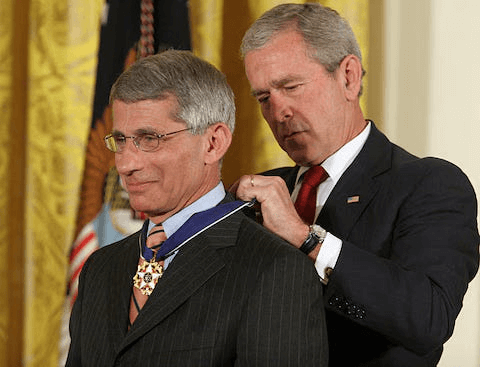
I began looking into vivisection as a scientific practice. Not as a scandal, but as a normalized methodology. The use of living animals to study disease progression, drug response, and physiological limits has a long history in biomedical research. In recent years, public attention briefly flickered when high-profile figures like Lord Farquaad, aka Fauci, associated with federal health leadership, performed animal experimentation involving live subjects, including puppies exposed to sand flies. The outrage came and went. The ancient practices remained. Why?



That moment stuck in my mind. Not as proof of a singular evil, but as a signal or a cultural tell. When human tissue can be discussed with the same emotional register as a catering order, something has shifted. Whether legal, illegal, edited, contextualized, or defended later is almost beside the point for what followed in my thinking. The effect was the message.
I began looking into vivisection as a scientific practice. Not as a scandal, but as a normalized methodology. The use of living animals to study disease progression, drug response, and physiological limits has a long history in biomedical research. In recent years, public attention briefly flickered when high-profile figures like Lord Farquaad, aka Fauci, associated with federal health leadership, performed animal experimentation involving live subjects, including puppies exposed to sand flies. The outrage came and went. The ancient practices remained. Why?
What interested me was not birds in murmuration and their predictable outrage cycles, but the desensitization. How easily the public absorbs the idea that suffering, dismemberment, and death are acceptable when framed as “for science.” How rarely we question where the moral boundary actually sits once the justification has been stamped on the paperwork.
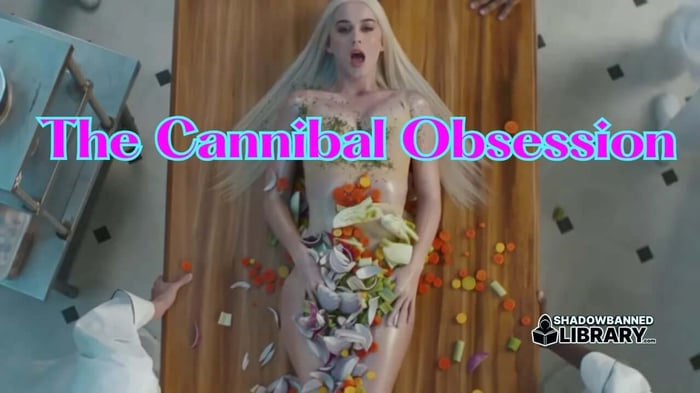
At the same time, a different set of images kept surfacing. Hollywood dinners styled as rituals. Performance art masquerading as feasts. Naked bodies used as a buffet. Blood referenced not metaphorically, but literally, in the language of bonding, devotion, and power. These events are often dismissed as art, provocation, or edgy theater. But anyone familiar with ritual knows that symbolism does not need belief to function. It only needs repetition and witnesses.
An attempt to trace a pattern that spans ancient ritual cannibalism, modern biomedical practices, elite transgression, and the persistent human fixation on consuming life in order to understand, control, or transcend it. A pattern where bodies become materials, blood becomes currency, and ingestion becomes an act of power.
I am not claiming these practices are identical. I am not claiming they are coordinated. I am saying that when a culture repeatedly returns to the same symbols across medicine, entertainment, religion, and rumor, it is worth asking why. And of course, this is just my opinion and observation, not to be treated as fact but fiction.
This article exists because too many people sense that something is off, but lack a framework to articulate it without being dismissed.
Nature First. Always.
Anytime I’m trying to understand a human behavior that people insist is “unthinkable,” I start in the same place: the wild. Not philosophy. Not textbooks. Not morality. Nature doesn’t lie, and it doesn’t care about our feelings.
In a stable ecosystem, animals don’t eat their own. When territory is intact, food is available, social hierarchies are clear, and populations are balanced, cannibalism is rare. Animals protect their offspring. They defend the group. The dead are left alone.
Things change when the system gets knocked out of alignment.
Take rodents. In healthy conditions, mice and rats raise litters without incident. But pack them into tight quarters, limit food, crank up stress, and the behavior shifts fast. Mothers start killing and eating pups. Not all of them. Not randomly. Usually, the weakest first. Soft tissue is consumed. Bones are left. This isn’t chaos. It’s triage.
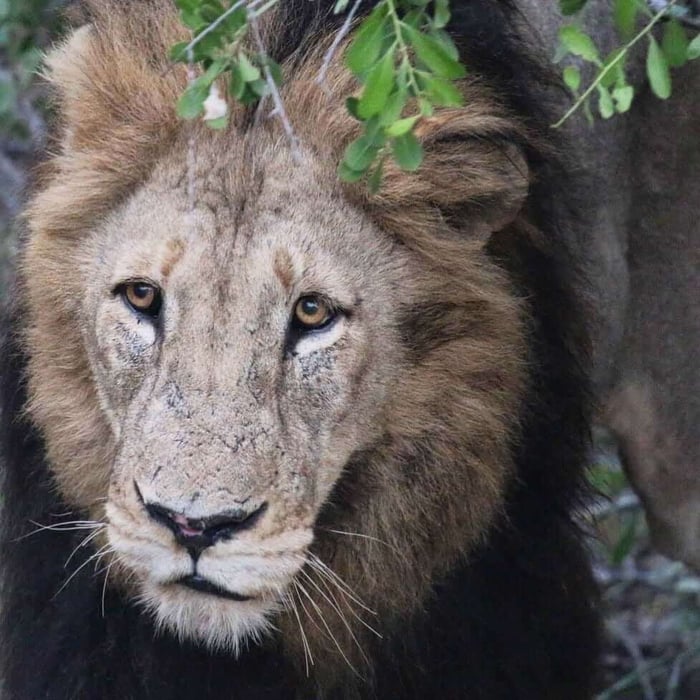
From one of my Samazuli retreats in the South African Bush
Look at lions. In a stable pride with a dominant male, cubs are left alone. When that male is displaced, the incoming male kills the cubs sired by his rival. Sometimes the bodies are eaten, sometimes not. The killing happens during a takeover, not during an abundance. It happens when territory changes hands, and the social order must be rewritten.
Bears show similar behavior. Cannibalism spikes around territorial conflict, food scarcity, and mating competition. Adult bears have been documented killing and consuming younger bears during periods of environmental stress.
Then there are primates, where people like to pretend the rules suddenly stop applying. Chimpanzees don’t eat each other when everything is calm. They do it during prolonged conflict after the territory has been reduced by human interference. In chimpanzee groups, these incidents tend to occur during periods of sustained conflict, when leadership is unstable and rival groups are competing for territory. Infants are often the targets. The bodies are dismembered, portions of flesh are eaten, and in some cases, shared among members of the group. These events take place in the open and are observed by others in the troop. They are not associated with calm or stable periods, but with prolonged disruption and unnatural pressure.
Bonobos, the species everyone trots out as proof that aggression is optional, aren’t exempt. Cannibalism is rare, but it shows up under abnormal conditions: captivity stress, social disruption, and loss of cohesion.
Wild animals don’t cannibalize because they’re evil, confused, or starving in a cartoon way. They do it when the environment has been pushed past what the system can support. Overcrowding. Reduced territory. Resource pressure. Broken hierarchy. Once those pieces fall out of balance, deviations occur, and the evidence is observed.
Subscribe to Medicine Girl to Receive Articles By Email* indicates requiredEmail Address *
Humans Under Pressure
When you trace cannibalism through human history, it almost always shows up the same way. People are boxed in. They can’t leave by design-no money or resources to move. The land around them is stripped bare or controlled by someone else. Healthy, available food runs out slowly, not all at once. Authority frays. Rules still exist, but they are no longer enforced the way they used to be. By the time cannibalism appears, the crisis is already old news to the people living inside it.
Sieges are the clearest example because they remove choice.
During the Roman siege of Jerusalem in 70 CE, the city was sealed. No food in. No people out. Contemporary accounts describe a slow progression. First, livestock disappeared. Then, the stored grain. Then leather, seeds, and refuse. Bodies were buried at first. Later accounts describe a woman killing her infant, roasting the body, eating part of it, and hiding the rest. The story spread through the city. Roman soldiers reportedly reacted with shock, not because it happened, but because it signaled that the interior population had crossed a line they couldn’t uncross.
The same sequence appears during the First Crusade at the Siege of Ma’arra in 1098. Crusader chroniclers described eating the dead after the city fell. This wasn’t a later secret scandal uncovered. It was written down by participants. The region was stripped of food. Thousands of armed men were stranded with no supply lines and hostile territory around them. Cannibalism appeared weeks into the crisis, not at the beginning.
China’s historical records document similar progressions across centuries. During the Great Famine of 1876–1879, drought and failed grain distribution pushed entire regions into collapse. Reports describe families selling children, bodies being exhumed, and human flesh appearing in markets. These accounts cluster in areas where famine dragged on for years, not months. Early deaths were buried. Later deaths were consumed.
Colonial America wasn’t immune. During the Jamestown “Starving Time” of 1609–1610, settlers were cut off by winter, disease, internal conflict, and failed resupply. Written accounts describe people eating rats, snakes, leather, and, eventually, human remains. Archaeological evidence later showed cut marks on bones consistent with butchery. This happened after months of isolation and depletion, not as a sudden reaction.
Warfare cannibalism follows a different but related path.
In some societies, bodies of defeated enemies were consumed after battle. Historical accounts describe organs being targeted rather than entire bodies. Hearts and livers appear repeatedly. Blood consumption is mentioned in some regions. These acts followed victory, not starvation. They occurred in environments where conflict was prolonged, territory was contested, and killing alone was not considered sufficient closure.
For centuries, human remains were part of medicine in Europe. Apothecaries sold powdered skull. Blood from executions was consumed fresh. Human fat was rendered into ointments. Preserved remains were marketed as treatments. These practices existed alongside plagues, high infant mortality, limited medical knowledge, and constant exposure to death.
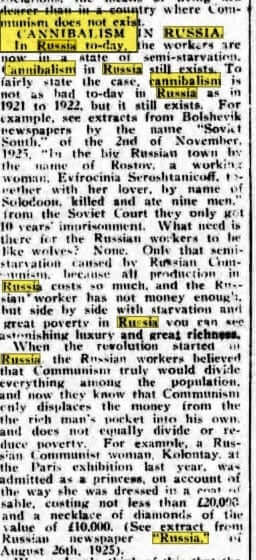
In Russia in the early 1920s, cannibalism appeared after a series of conditions stacked on top of each other until ordinary social brakes stopped working.
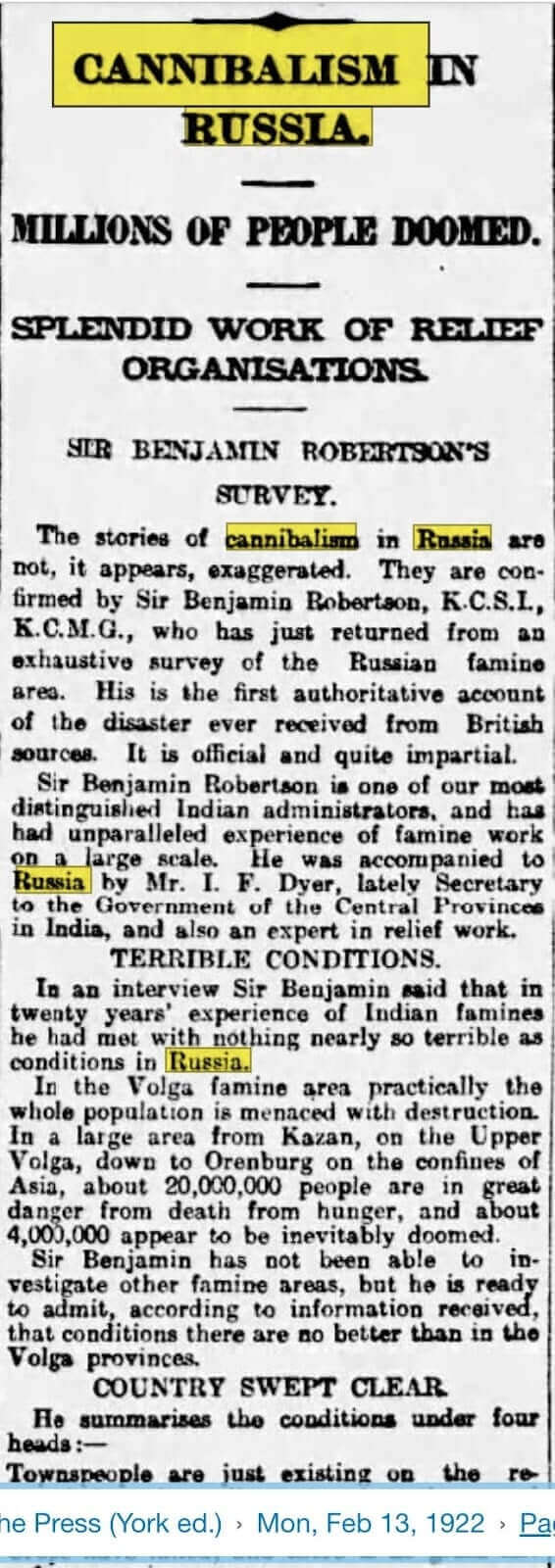
By the time newspapers began reporting cannibalism, food scarcity was already normalized. People were not experiencing sudden hunger. They were living in a permanent deficit. Grain had been requisitioned repeatedly over several seasons. Seed stock was removed. Livestock was gone. What people ate was whatever they could keep hidden long enough to consume.
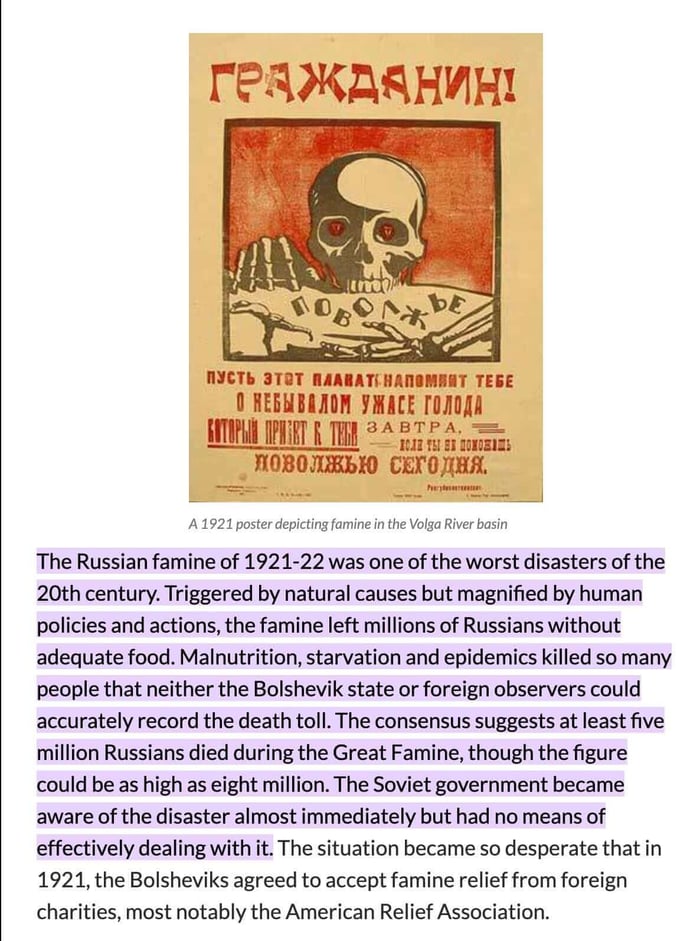
Movement was restricted. Villages could not easily disperse. Travel required permission or risked arrest. Markets no longer functioned, and bartering collapsed due to a lack of materials. Families were trapped in place with diminishing options.
Authority still existed, but it no longer protected people. It enforced quotas instead. Armed detachments removed food regardless of harvest size. Resistance was punished. Survival depended on compliance and concealment. Sound familiar?
Death became common enough that it changed daily routines. Burials were delayed or rushed. Bodies accumulated inside homes. Graves were shallow. Cemeteries could not keep up. The dead became a constant presence rather than an interruption.
Cannibalism appears in the record after this shift.
Newspaper reports describe people first consuming those who had already died. Corpses were dismembered. Flesh was cooked or stored. As deprivation continued, reports shifted to killings. Authorities began distinguishing between those who ate the dead and those who killed for food, a distinction that only becomes necessary when both are occurring regularly.
Children became targets because they were small, vulnerable, and easy to isolate. The signs that read “Children are not for eating” did not appear during the early stages of hunger. They appeared after abductions and killings had become frequent enough that warnings were needed. Families hid children indoors. Travel alone became dangerous. Corpses had to be guarded!
Cannibalism did not replace social rules. It existed alongside them. People still recognized it as taboo. They took steps to prevent it when they could. The fact that warnings were posted and crimes prosecuted shows that norms were strained, not erased. But the conditions continued.
Food access remained controlled. Relief was uneven. Starvation was not constant, but it was close enough that people hovered at the edge for months or years. That edge mattered. It meant every death presented a choice that had not existed before.
Later Soviet famines followed similar sequences. Grain was removed. Movement was restricted. Food was stored elsewhere. Cannibalism appeared late, was documented internally, and suppressed publicly. Villagers warned each other quietly. Children were hidden again.
The newspapers didn’t debate why this happened. They listed what happened, when, and where. Cannibalism entered the record after prolonged confinement, enforced scarcity, accumulation of the dead, and the failure of ordinary protections.
That is the point where behavior changed.
The Last Few Years
In the last five years, a series of events unfolded that were reported individually, explained locally, and resolved administratively.
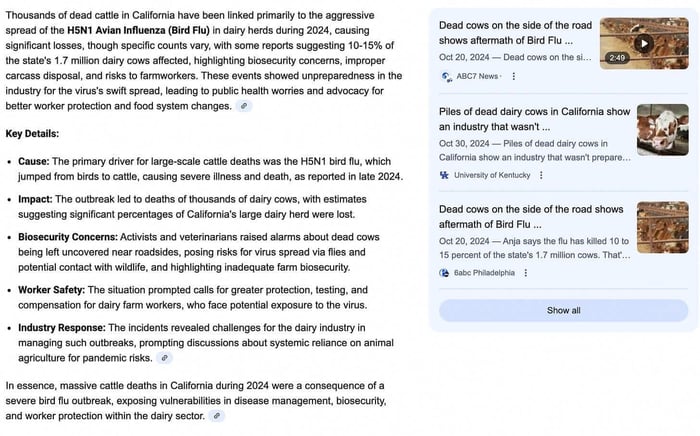
In June 2023, thousands of cattle died in southwest Kansas. Feedlots were hit during an extreme heat and humidity period. Images showed carcasses lined up in open fields and along service roads. Officials cited weather stress. Disposal operations lasted days. The story moved on.
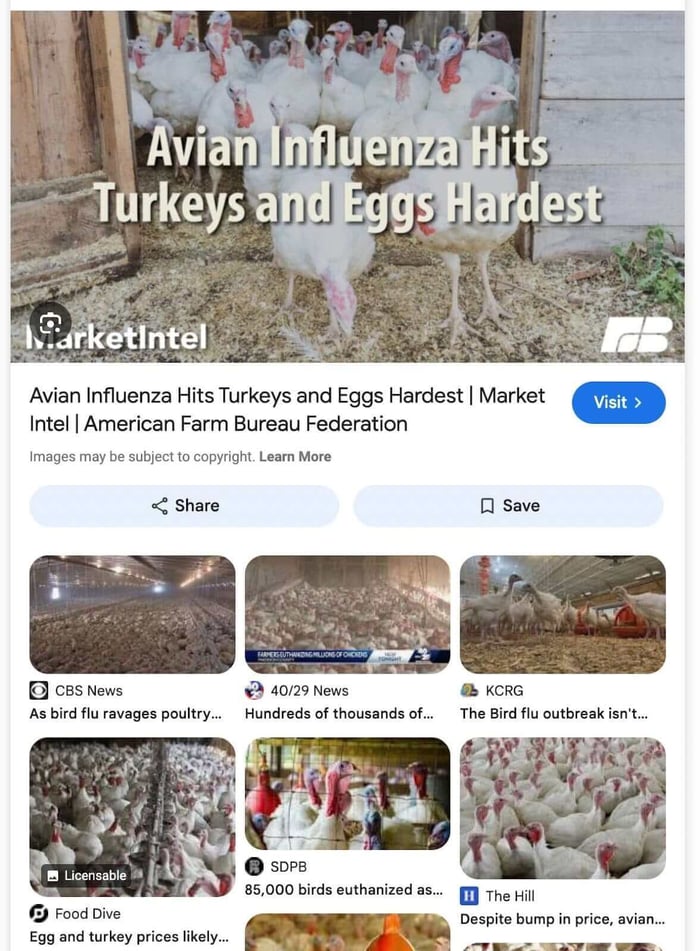
Between 2022 and 2024, tens of millions of chickens and turkeys were euthanized across the United States following outbreaks of highly pathogenic avian influenza. Entire facilities were depopulated regardless of visible illness. Birds were composted, buried, or incinerated. Egg and poultry shortages followed. The events were described as biosecurity measures. Each outbreak was treated as a contained incident.
During the same period, livestock producers reported euthanizing healthy animals due to processing bottlenecks. Slaughterhouses closed or slowed operations because of worker shortages and illness. Animals are kept on farms with nowhere to go. Industry reports documented on-site killings as a last resort. These stories appeared briefly, then faded.
In 2020 and 2021, widespread civil unrest disrupted cities across the United States. Fires, curfews, and prolonged demonstrations affected transportation, retail access, and supply chains in localized areas. Grocery stores closed temporarily. Distribution routes were altered. These events were covered as political unrest and public safety issues.
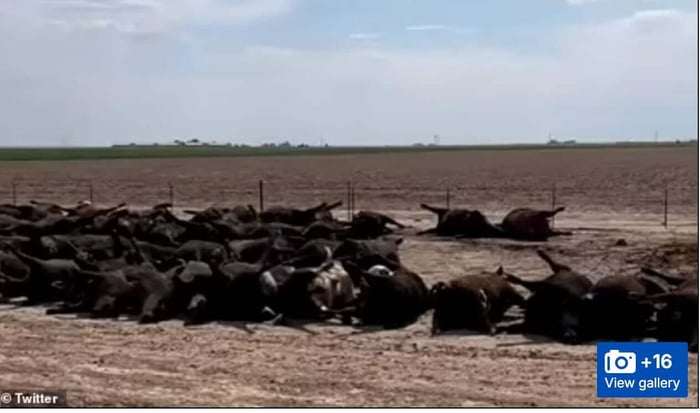
In 2024, additional mass livestock deaths were reported during heat events and transport failures in multiple regions. Infrastructure limits were cited. Disposal again became a logistical challenge. Images circulated. Explanations were issued. Attention shifted.
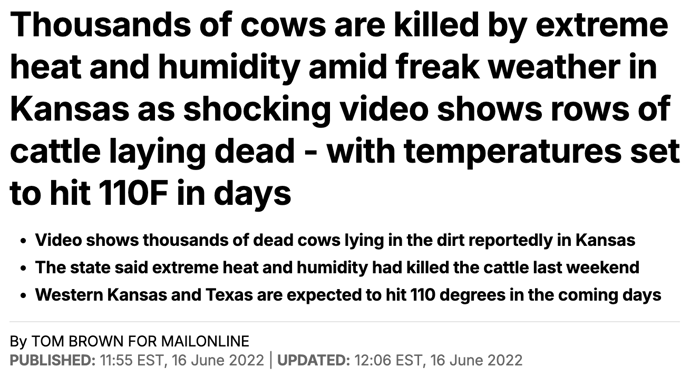
Each of these events was reported as a separate problem with a separate explanation. Extreme heat was cited in one case, disease outbreaks in another. Labor shortages, processing delays, civil unrest, and infrastructure limits. Each incident was addressed within its own lane, handled administratively, and allowed to exit the news cycle once an official explanation was issued.
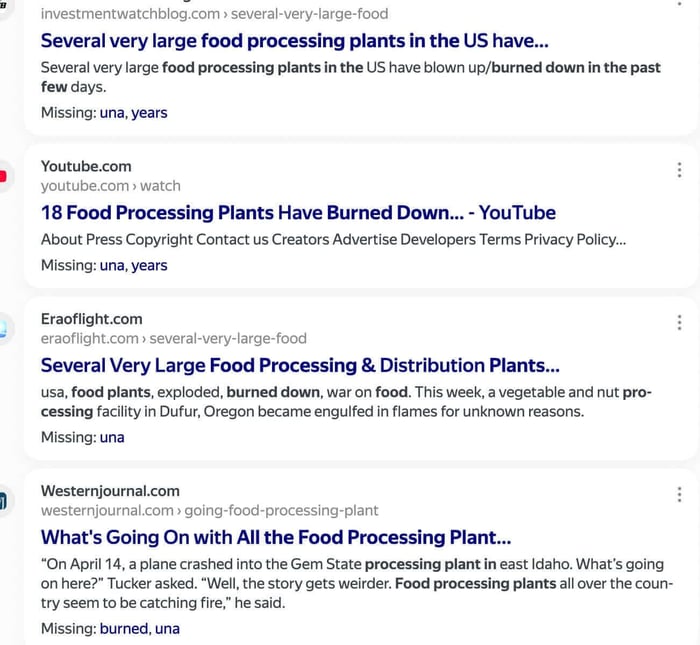
Taken together, they form a different picture, one that doesn’t announce itself all at once. Animals are removed in bulk. Food sources are disrupted intermittently. Processing slowed, then stopped, then resumed. Supply tightening, easing, tightening again. Nothing dramatic enough to panic over. Nothing sustained long enough to name.
People assumed 2020 was the main event, the obvious crisis. The headline moment. The thing we were supposed to focus on was to pick a side.
It wasn’t.
While most people were locked into arguments about whether the virus was real, what flavor horse dewormer was better to get rid of the mold inside your body, whether the numbers were accurate, whether masks worked, if it was a escaped virus out of Wuhan, wet markets, whether the vaccines were mRNA or filled with self assembling graphene, whether mandates were legal, how to correct your status and which experts were lying or telling the truth, I was watching something else entirely.
The conversation has stayed trapped there for years. Social media, news panels, family dinners, friendships. Everything revolved around compliance, denial, belief, disbelief, and outrage. People still fight viciously over positions that change every few months. Others are still trying to prove something that doesn’t exist.
I never thought that argument was the point. It was too loud, too circular, and too consuming. While attention stayed fixed on infection curves and pharmaceutical debates, changes to food production, animal populations, processing capacity, disposal practices, and distribution were treated as side stories, or not stories at all.
There’s one thread I haven’t pulled yet. I didn’t include it here because it doesn’t belong next to history. It belongs next to the present.
When I followed it, it didn’t lead where I expected. The next article challenges your very perceptions of reality...
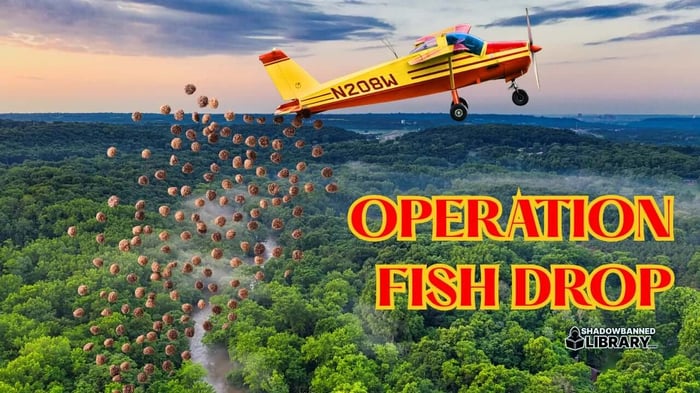
NEXT READ: OPERATION FISH DROPhttps://chat.whatsapp.com/GSAjiCNNcUY1Q42e1nLxNM
Subscribe to Medicine Girl to Receive Articles By Email* indicates requiredEmail Address *
If you appreciate my research, please consider hooking me up with a coffee or making a Ko-Fi donation. Every dollar truly helps!



Disclaimer
The information shared here reflects my personal research, study, and lived experience. Sources include historical archives, scientific literature, and public records wherever possible. It is intended for educational and discussion purposes, not as medical or legal advice.
I am a Registered Nurse, no longer practicing, and am not acting as a healthcare professional while writing for Substack. Every reader should use their own discernment and consult qualified professionals for personal decisions. My goal is to help people think critically, question openly, and restore their relationship with truth and nature.
![Bringing Up The Underworld: Vivisection and Organ Donation [Cannibals Part 4]](https://dropinblog.net/cdn-cgi/image/fit=scale-down,format=auto,width=700/34264201/files/featured/4aad8890-f8f1-4198-910c-e85a0171247c-1280x720.webp)
![The Great Magnesium Poisoning [Part 1]](https://dropinblog.net/cdn-cgi/image/fit=scale-down,format=auto,width=700/34264201/files/featured/mg-mg-2.png)
![Mag-Naus-Eum: The Metal You’ve Been Drinking [Part 2]](https://dropinblog.net/cdn-cgi/image/fit=scale-down,format=auto,width=700/34264201/files/featured/mg-mg-part-2.jpg)
![BLOOD PRESSURED TO DEATH: How to DESTROY Your Kidneys in 5 Easy Steps [Part 1 of 3]](https://dropinblog.net/cdn-cgi/image/fit=scale-down,format=auto,width=700/34264201/files/featured/bce83ada-f4c0-4cdb-a4e7-bf4eab08bb07-1280x720.webp)