

*THIS IS A SERIES! BE SURE TO START AT PART 1! [Click Here.]*
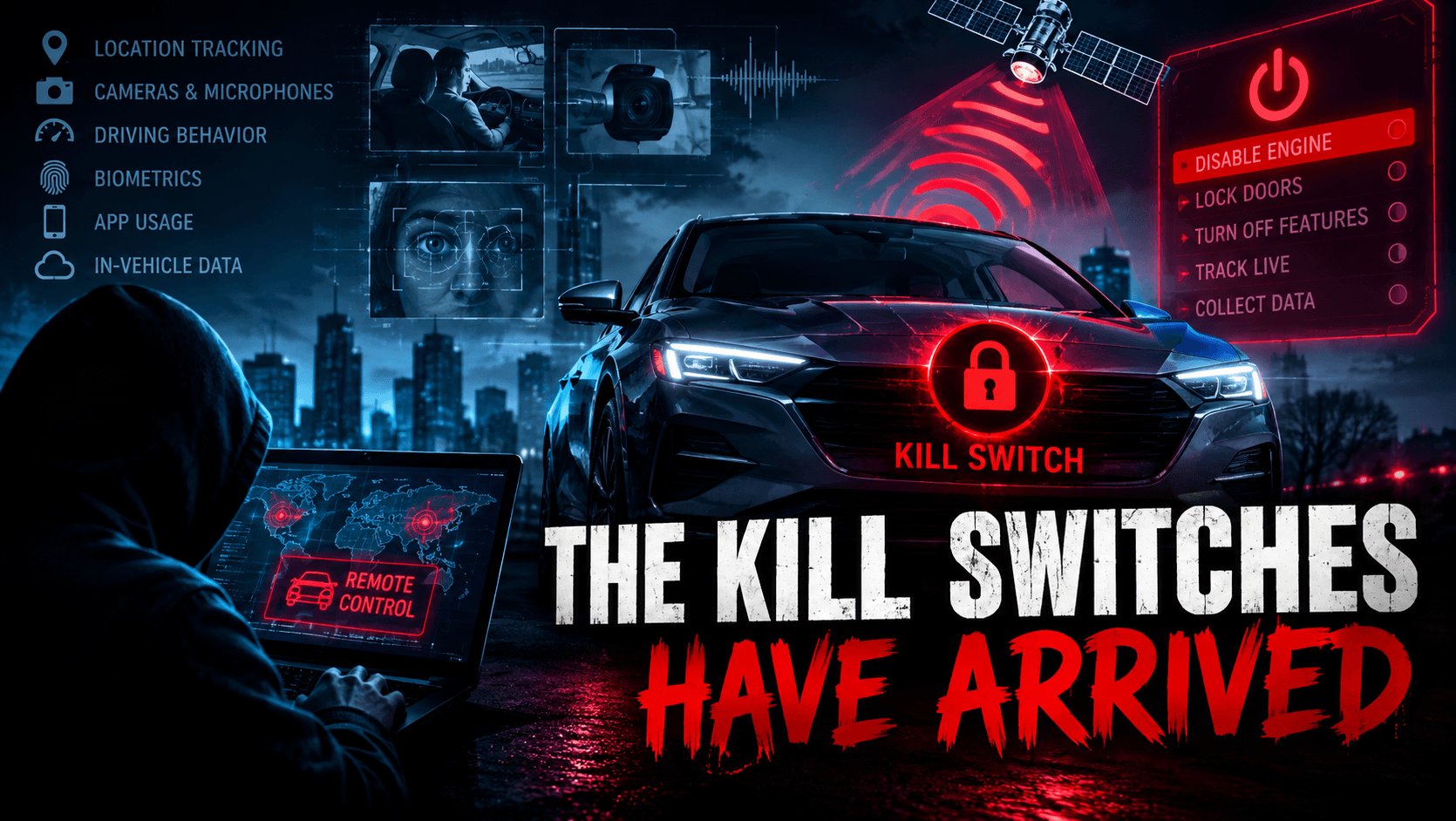
Most of us have come to realize that our vehicles transmit data. Our cars, trucks, and SUVs collect speed, braking patterns, GPS, and more through “telematics,” and this data can be harvested remotely. For example, both General Motors and OnStar collected “driving behavior data,” which included all the aforementioned in addition to late-night driving and acceleration speed. But what nobody realizes is what is about to be unleashed upon us in the form of new vehicles. You see, the new Investment and Jobs Act secretly harbors a vehicle kill switch law within Section 24220, which is to go into effect by or on Nov 5th, 2027. This secret kill switch is disguised as “advanced impaired driving prevention systems,” and it must go into all new vehicles. This means all new vehicles will have the obligation to refuse to start if the vehicle, meaning computer AI, feels the driver is too impaired to drive. Now here’s what’s interesting: while you are thinking “impaired driving” means drunk driving and because you don't drink, this won't impact you; you are dead wrong. Many auto manufacturers are using the broadest definition of the word impaired which means “diminished, damaged, or weakened” and “functioning poorly or incompetently.”
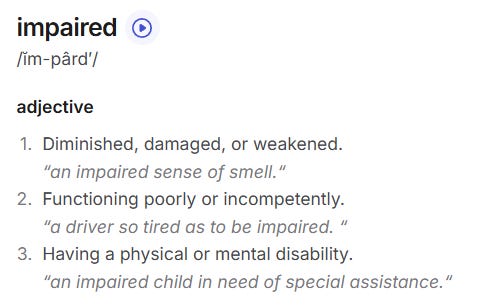
How this will work is the computer in your vehicle uses AI, and that AI deems you impaired from a puff of pot, lack of sleep, or maybe you just found out your beloved grandfather was just rushed to the hospital and your adrenaline is pumping. Unfortunately for you, you are emotionally impaired, and you will not be driving today.
Ford has filed many patents involving biometric scans, facial recognition, emotional state reading, heart rate analysis, and even lip-reading systems. Yes, your F-150 will be able to read your lips. Did you just mouth, “Screw the IRS”? I hate to inform you that you will now have to catch an Uber to get to work.
This tech will be combined with cabin surveillance, and it will all be used to determine whether your vehicle will be allowed to start or not.
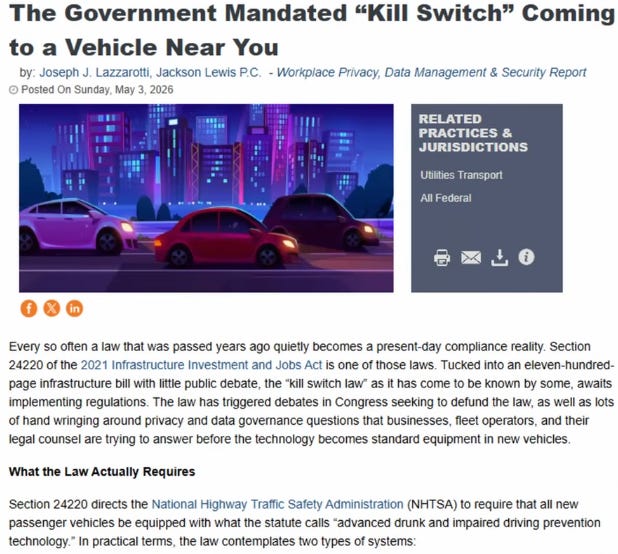
And this isn’t just a Ford thing. Every vehicle maker is filing these crazy patents because they have to install the kill switch, and it is probably easier to put in a multi-faceted kill switch up front than to file a patent for drunk driving, go through all the work of producing the tech, and then, in five years, have the government expand the law to include emotional instability. And let’s face it, these automakers are all government controlled because when someone pays you, they own you. These automotive producers are on bended knees for Uncle Sam because Uncle Sam holds the bailout purse strings and tax incentives.
I misplaced the link to it, but another new automotive patent discussed biometric scans, which will be linked to criminal databases, so before your vehicle can start, the AI program will check to see if you have any unpaid tickets, missed a court date, or, God forbid, are on the top-secret terrorist watch list for what you posted on Facebook. I know I failed by losing the link, but you don’t have to take my word for it because you will see this firsthand within the next couple of years. What will begin as blocking intoxicated people from starting their cars will turn into journalists like me being banned from driving.
Additionally, this automotive tech can cross-reference insurance company databases to make sure your policy is up-to-date before you hit the road. While we are in the patent stage here in America, this tech has already rolled out internationally.
And it’s trickling into the US. In Illinois, a new law just passed to prevent speeding. If you get two tickets in a year for excessive speeding, you will have to pay for a monitoring device. If your vehicle is too old to use the monitoring device, your license will be suspended for two years.
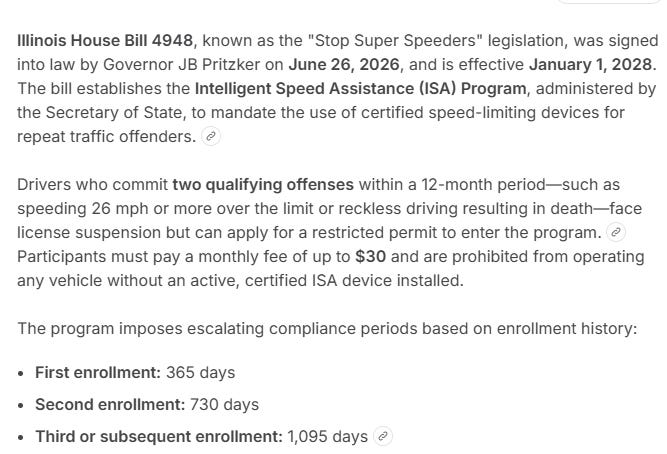
FYI: “too old” is 1996 and older because these do not have the port required to monitor you.
OUR SECRET SPY CARS
I came across this really interesting video, which I have transcribed for you with a few minor edits to make it easier to understand without the visuals of the video.
Transcription: “2024, Brian was driving his 2023 Toyota Corolla GR on the highway. He then noticed that something was wrong. Smoke started pouring into the interior.
Brian pulled over to take a look and see what was going on. And before he knew it, the front end of the car was completely in flames. Some of the damage was covered by insurance, but the remaining cost was to be covered in a warranty claim by Toyota.
After all, the car was only one year old and just caught fire for no apparent reason. But to his horror, Toyota denies his claim. Why? According to their reply, his car had sent data packets to headquarters indicating that he’d driven in excess of 85 miles per hour at some point during his ownership.
Among other excuses, they concluded that they couldn’t provide any assistance due to his irresponsible driving. This was despite the fire having nothing to do with how fast he’d driven the car at a completely separate time. For context, the GR Corolla is a rally car which can do zero to 60 miles an hour in under five seconds.
This scenario sounds like a comedic B-plot in a dystopian sci-fi movie, but this is very real and is happening today. In 2023, there was a review of the privacy standards of 25 major car brands by the Mozilla Foundation. The results were a complete disaster.
All 25 of the brands failed to meet consumer privacy standards. According to ABC Australia, the report revealed that murky and vague privacy policies allowed brands like BMW, Ford, Toyota, Tesla, Kia, and Subaru to collect highly sensitive and personal data. Shockingly, this includes information on activity, immigration status, race, facial expressions, weight, health, genetic information, and driving locations.
And unfortunately, these companies can potentially sell this data to third parties. The data is being collected by sensors, microphones, cameras, car apps, the phones and devices that drivers connect to their cars, and company websites. The report named Nissan as the worst offender, as they collected data on, quote, activity, health diagnosis data, and genetic data. But strangely, no one knows exactly how they got this information. Nissan [terms and conditions] say that they can share and sell consumers “preferences, characteristics, psychological trends, predispositions, behavior, attitudes, intelligence abilities, and aptitudes.” Nissan can give this information to data brokers, law enforcement, and other third parties.
The report also called out Toyota’s privacy policies as “a near incomprehensible galaxy.”
Mozilla asked the companies about encryption of the data, and only one of the brands, Mercedes, even responded. Jen Caltrider, a writer of Mozilla was stunned by the findings and would conclude, quote, “All new cars today are privacy nightmares on wheels that collect huge amounts of personal information,” end quote.
It’s pretty insane already, but it goes deeper. In March of 2024, the New York Times released a bombshell investigation of how car companies are selling driver data to insurance companies. Data such as where they’re driving, how fast they’re going, how hard they accelerate and step on the brakes—pretty much everything. The companies involved include General Motors/GM, Honda, Mitsubishi, Kia, Ford, Hyundai, and Subaru, all to varying degrees, as you’ll soon see. Car manufacturers will always try to hammer this point home. And at a stretch, if you squint your eyes, perhaps you could see it that way. But if we’re being real, it turns out that these car companies are making millions off selling your driver data to brokers and onto insurance companies. Your insurance premium could start skyrocketing, and you have no idea why. The last thing you’d expect is that your humble car was snitching on you to a large corporation.
The New York Times gave an example of Ken Dahl, a 65-year-old careful driver who had never been responsible for an accident. Suddenly, in 2022, he got a rude shock when his car insurance costs jumped by 21%. After shopping around, he realized something strange; other car insurance packages were suddenly unusually high for him too. Wondering what was going on, he asked an insurance agent, and he told him the real answer. He’d gotten a bad report from LexisNexis. Now who the heck is that? Well, they’re one of those third-party data brokers. And where did LexisNexis get the data from? From General Motors, who made Mr. Dahl’s Chevy Bolt. He dug a bit deeper and got his hands on the actual report from LexisNexis. It was over 130 pages long, detailing every move that he and his wife had made. 640 trips. It included when he was speeding, braking sharply, or accelerating sharply; the time they set off for a trip; and the time the trip concluded.
Mr. Dahl would tell the New York Times, quote, “It felt like a betrayal. They’re taking information that I didn’t realize was going to be shared and screwing with our insurance. The raw data from your car is collected, sold to data brokers who analyze it and then send it to your insurance company, all without you having a clue.”
Some car companies do sell the information directly, and some do have opt-in clauses, but many don’t and are on by default without the drivers knowing. Furthermore, these drivers aren’t aware that their data is being shared with third parties. Even for those drivers who opt in on data collection to improve their driving, they innocently think it’s going to help them become a better driver.
There’s still no obvious indication that this data is going to third parties. A lot of the time it’s hidden behind the fine print of legal jargon. For sports car enthusiasts, it’s a nightmare.
The same New York Times report shines a light on one Corvette owner. He took his car out for a spin on a professional racetrack. His car’s data was then filled with rapid acceleration events, potentially ruining his car insurance score.
Another Cadillac owner had had enough after he was denied car insurance by seven companies. And of course, his LexisNexis report was to blame. He finally did get car insurance, but for twice the price.
Kia, Subaru, and Mitsubishi also share data with LexisNexis, who has now collected data from over 10 million cars. Ford, Honda, and Hyundai are also selling driver data, but to another data broker called Verisk. Subaru states that it only shares odometer data, according to the New York Times, and Ford denies the claims, saying it was only partnering with LexisNexis to, quote, “explore ways to support consumers.” They go on to state that they send driver data directly to insurance companies only with explicit consent. Kia, Mitsubishi, Hyundai, Honda, and Acura all have driving feedback apps where drivers can opt in to monitor how well they’re performing on the road. But what drivers may not know is that this data is getting passed on to, you guessed it, either LexisNexis or Verisk. So once again, insurance can potentially be affected as a result of their driving habits without them necessarily knowing.
Toyota is no angel in all of this. Rafi Alam from the Australian consumer advocacy group Choice states, “When we looked at Toyota’s privacy policy, we found that these connected service features will collect data such as fuel levels, odometer readings, vehicle location, and driving data, as well as personal information like phone numbers and email addresses,” end quote.
And all of this isn’t to mention the risks of data breaches. Unfortunately, it’s just a sign of the times. Data collecting technology is becoming ever more common in newer cars, and much of this can’t be opted out of.
Most new cars today will have some kind of location tracking technology included, but does it have to be this way? Critics argue that these data collection practices are non-transparent. Hidden clauses in massive, complicated contracts aren’t good enough. California’s privacy regulator, Senator Edward Markay, has called for investigations into these data practices. He questions whether this violates consumer protection laws.
Overall, the intersection of connected car technology and insurance rates poses important questions about transparency and consumer rights. Our cars can’t just be spying on us without our knowledge. And writing it all in the fine print, hidden within walls of legal jargon, isn’t good enough either…” [End transcription.]
When it comes to Ford Motor’s data collection, they not only track your location but also log what music you listen to, what apps you use, everything the microphone and cameras pick up, if and when you wear your seatbelt, your driving data, and more.
Why do they collect this information? This NYT article explains why. They sell your driving data to LexisNexis and insurance companies so that they can raise your rate if they see that you brake a little too abruptly or accelerate a little too harshly. They also sell it to social media companies and advertising agencies so they can sell you things. They also share it with law enforcement and other government agencies.
Pretty shocking, isn’t it? So our vehicles are and will collect this data; they then share or sell it to LexisNexis Risk Solutions and Verisk. Who exactly is LexisNexis? And more importantly, what exactly do they know, and what are they doing with the information?
LEXISNEXIS
LexisNexis is a mass data aggregate, and, quite frankly, it is terrifying. The company has as many as 145 billion records from more than 10,000 sources. They claim to add one million new records daily. Their database covers approximately 95% of the U.S. population and includes historical archives dating back decades.
Your LexisNexis credit report/file has a ton of information about you that you don't know is out there, including your social security number, every alias you've ever had, every phone number and email address that you've ever used, whether you own your home or lease, who resides in your home with you, even the building materials of your residence, loss cost projections for your properties and vehicles (yes, they are analyzing how much our vehicles and property depreciate in value over time), every car you've ever owned, every VIN for those vehicles, every insurance policy you've had, every time you've been arrested for anything in your life, any license you have been issued or had revoked, marriages, divorces, and even birth records. This additionally includes your utility bills, payments, and utility usage records, LLC and business filings, workers’ compensation filing history and injury details, “fraud indicator scores and suspicious activity flags” (whatever that means), any legal demands you have ever been sent (whether justified or not), eHealth information, as well as all non-HIPAA protected medical data, social media records, and, of course, everything about your driving patterns, accident claims, traffic tickets, other details related to automotive insurance, and so much more. Lexis also pulls records from other companies, including private companies who have chosen to share or sell data, so there is no way to know all of the data they have on you. But, if you read this publication from the beginning, you already know this includes credit card companies, grocery stores, and eCommerce websites; it’s overwhelming yet all so secretive.
All of your records are then combined to a lengthy Lexus Nexus report. According to Lexis’s commercial, AI then analyzes all of this data and finds patterns, which are, quote, “invisible to the human eye.” This is all part of the LexisNexis Digital Identity Network.
As part of the digital ID network, Lexis’ AI links together associations between people, so it knows where you work, and because of this, they know who your boss is, who your friends are, your mom, your kids, your wife, her job, her boss, her friends, yada yada, and because it has profiles on all of those people too, our entire lives have been condensed into pages of data that are made available to, quite literally, anyone—and all along you and I thought the digital ID would be a virtual driver’s license, but the truth is far, far worse.
Behind the scenes, this company is influencing huge life decisions, without us even realizing it. For example, LexisNexis is feeding information to lenders and credit issuers. These entities can pull this data quietly and use it to make all kinds of decisions about you, including if you should be approved or denied financing, the rates and terms you should get, and how much money you should get approved for.
But this isn’t just related to financial decisions. The government buys data from LexisNexis, such as in the case of ICE. ICE gave Lexis over 22 million dollars’ worth of our tax money in exchange for records that would pinpoint people they could surveil, detain, and deport.
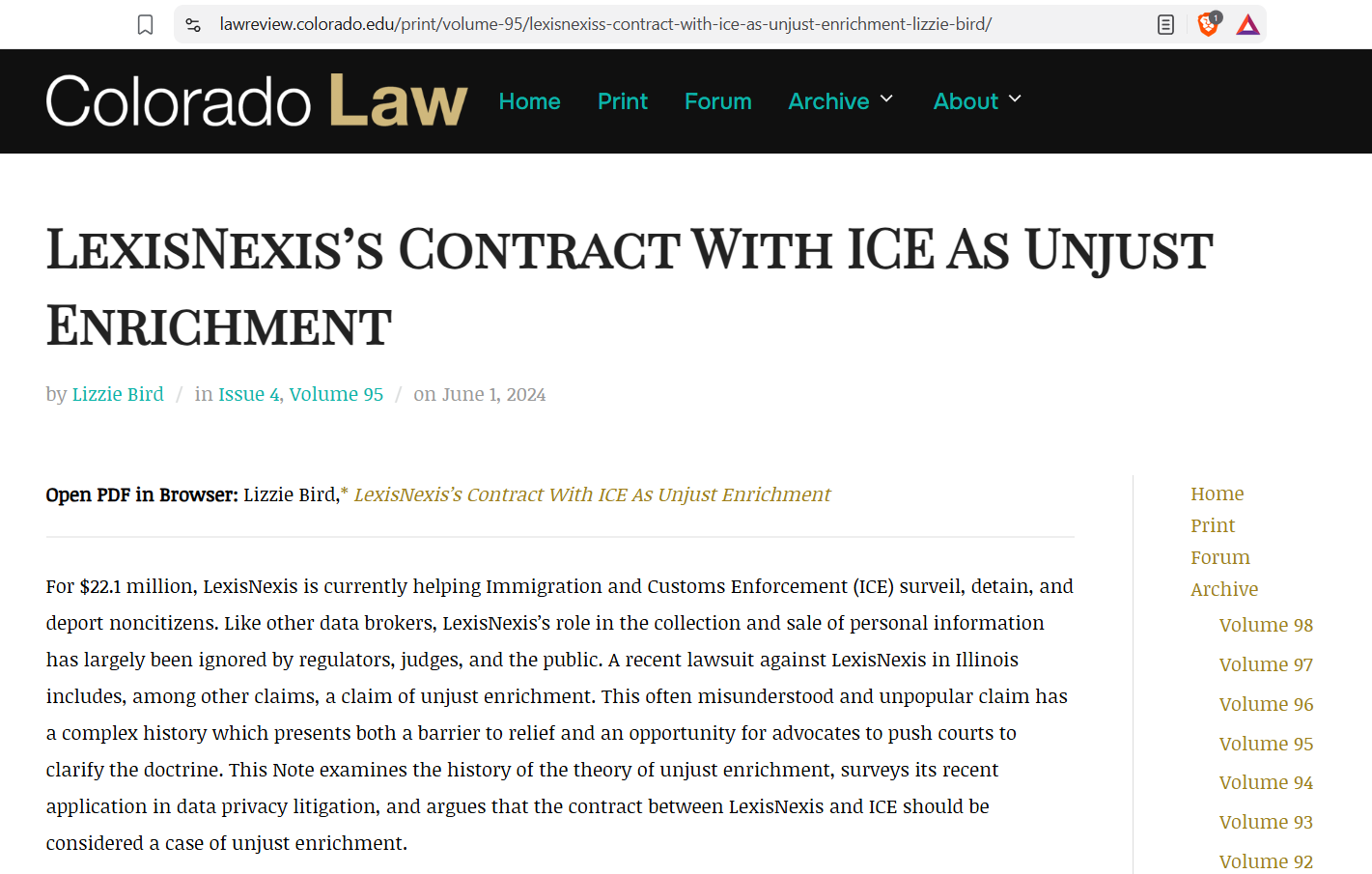
Regardless of where you stand on the topic of removing noncitizens from the nation, the point is that all of this is done without a warrant, and all of this is connected to Palantir—quite literally, it is all wired together.
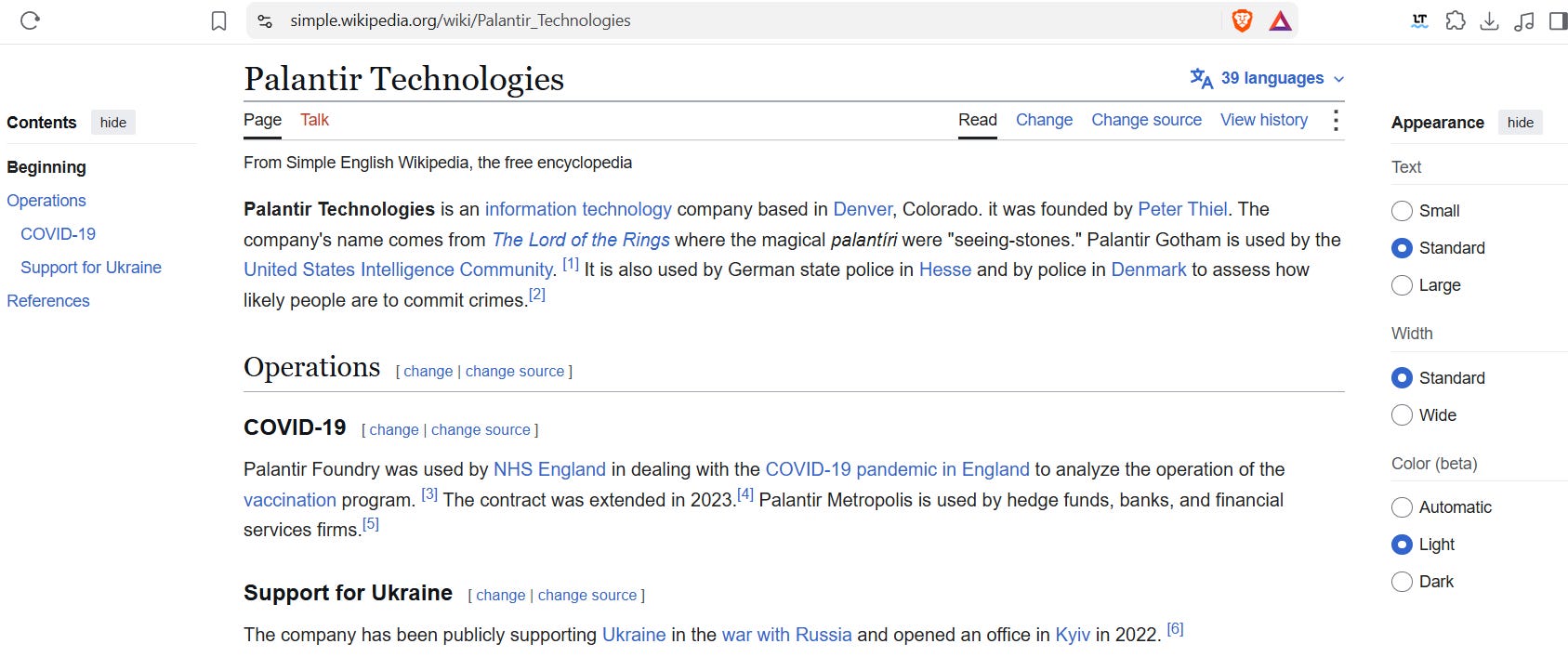
I can’t get into the (Israeli) Palantir today, but despite being a massive company, their Wikipedia page is microscopic. This should be a huge red flag.
Disturbingly, LexisNexis is not only being used to stalk people, but it is also being used to select courtroom juries, and this is quite problematic because juries are supposed to be 12 randomly selected, nonbias peers.
Additionally, Lexis is used by employers to decide if you should be hired for a job. This means you could be denied a position you are plenty qualified for because of something that happened in your personal life back in 1996. Landlords can use it to make tenant decisions, government agencies can use Lexis to determine eligibility for a program or benefits or even to aid in prosecuting you. Debt collectors, utility and telecommunications companies, retailers, payment processors and buy-now-pay-later providers, and even casinos and gaming establishments all have access to this technology and essentially can wield it like a weapon, and nobody has any obligation to tell you they are thumbing through the most personal details of your entire existence, covertly.
While they claim they are only scraping public records, if this was the case, they would not have our social security numbers and such. All of this personal data is coming from the private sector businesses I mentioned previously.
A quick look at the LexisNexis website is exhausting and legitimately horrifying.
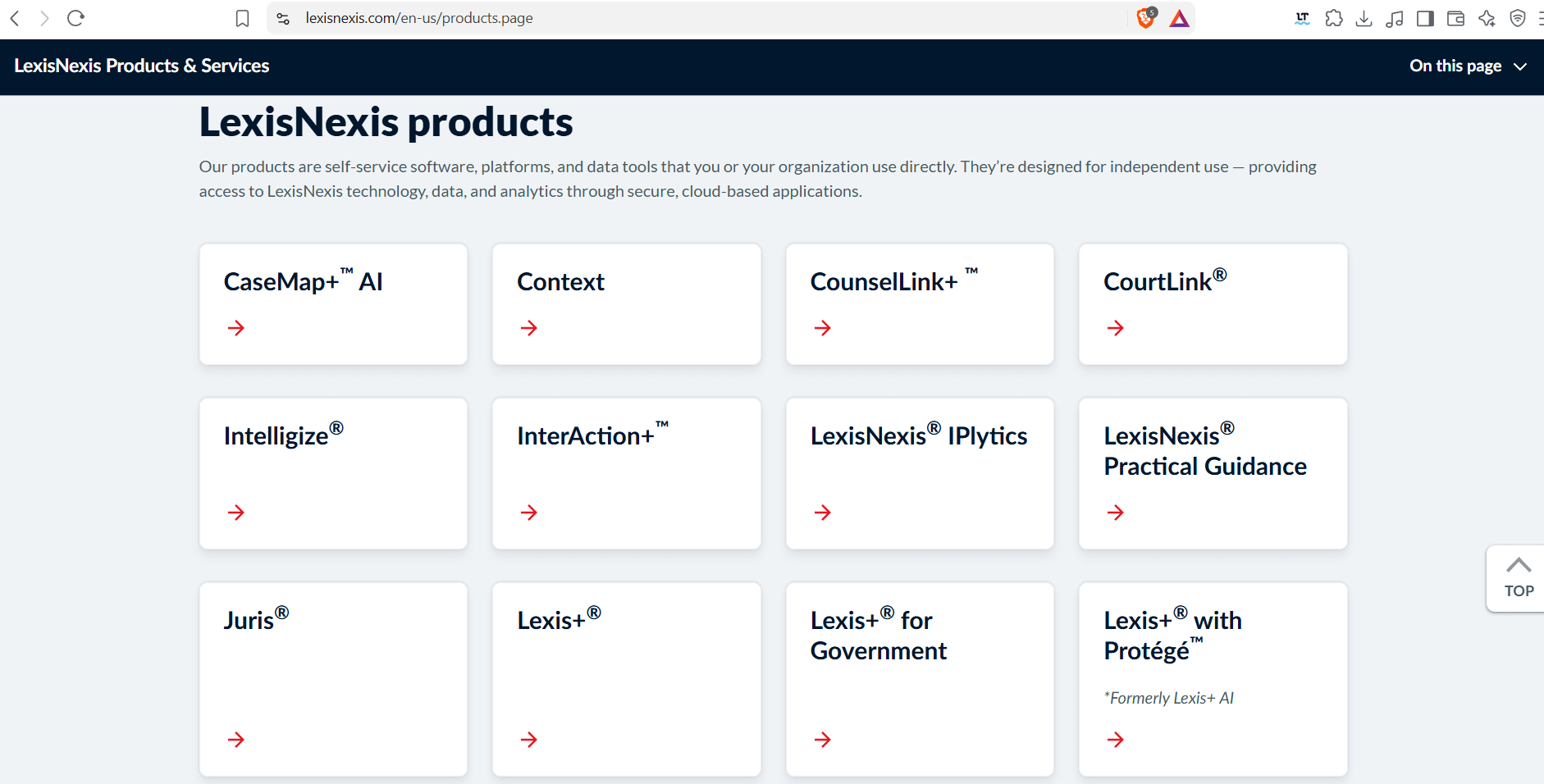
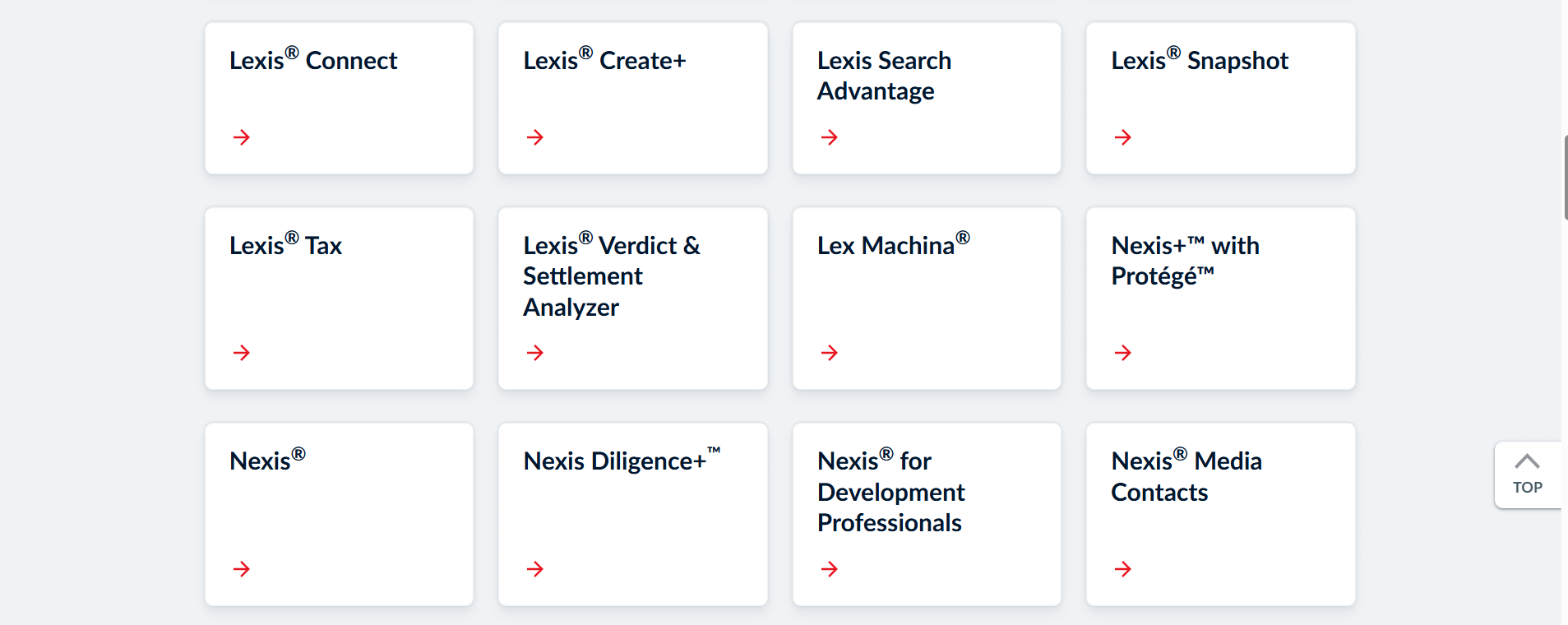
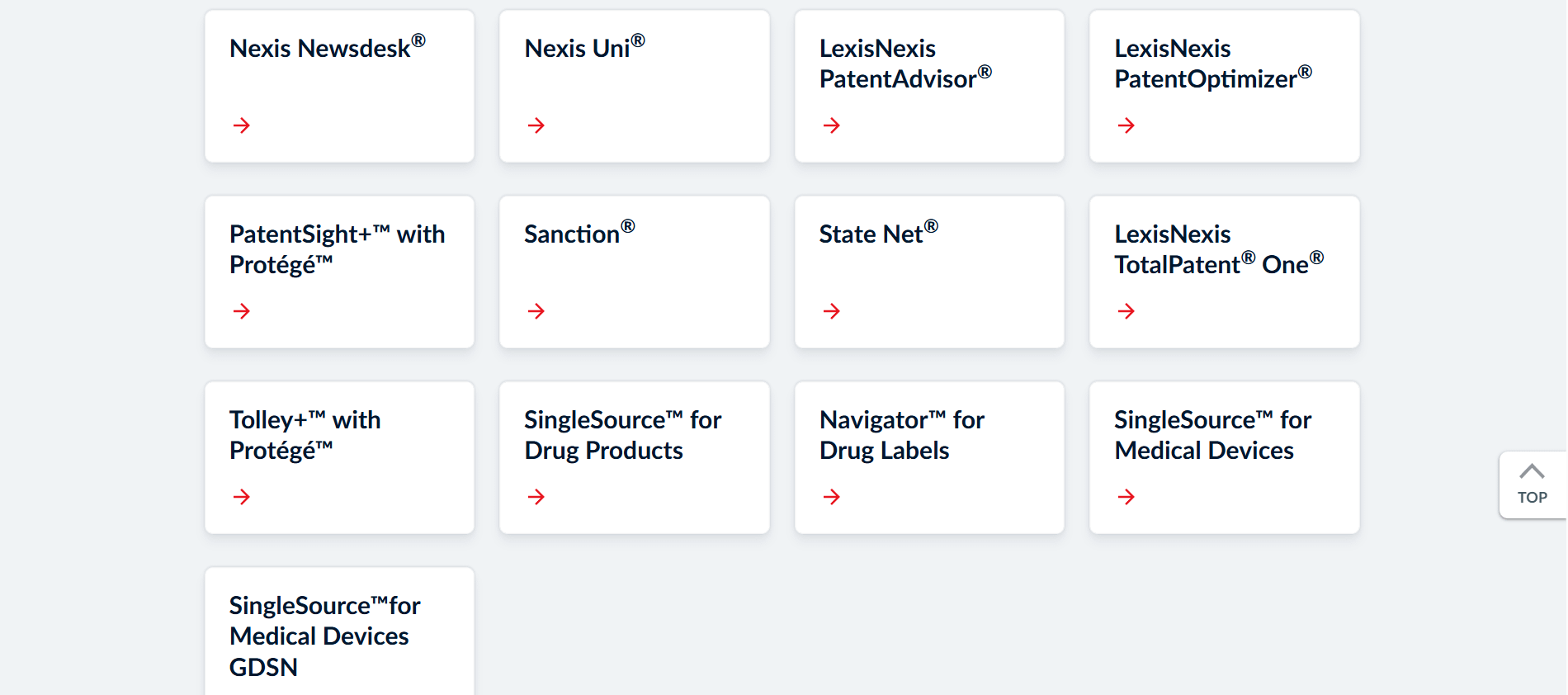
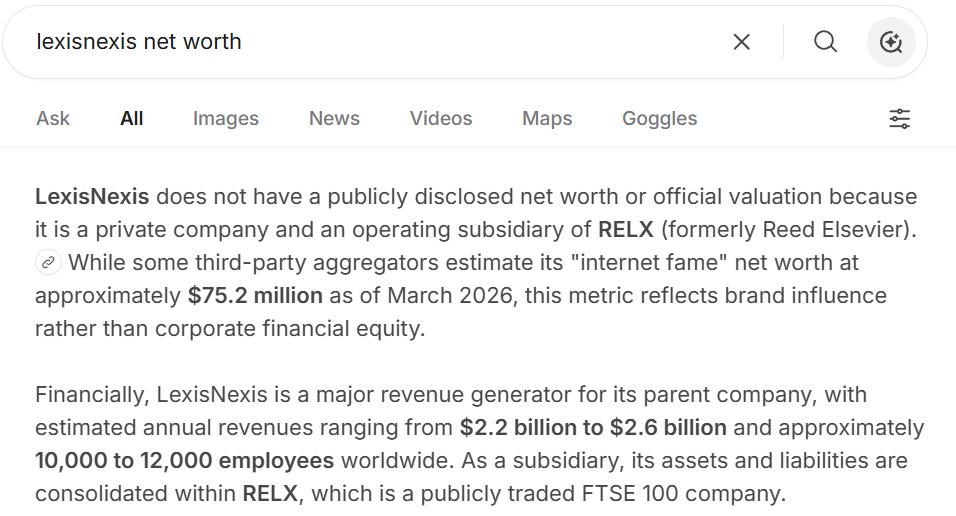
I’ll let you look at it more on your own. The point is that our vehicles are collecting all of this data without us knowing. The data is then being sold to or shared with LexisNexis, who is compiling vast amounts of public and personal data on us; then that data is being sold, which is why LexisNexis is estimated to be raking in over two billion dollars every year.
And this is where someone we already discussed pops back up…
WHERE THE RUBBER MEETS THE… CAMERAS
To understand this, we have to go back to Leonardo’s Elsag which, as we learned, is far from being a bra for floppy tits. It is instead a cutting-edge spy device that is not only reading license plates but is also capturing every last Bluetooth signal oozing out of our vehicles, our pockets, or, in some cases, our own arms. While the solution of a Faraday bag would likely stop this tech from grabbing our earbuds’ and cell phones’ Bluetooth, there is one thing we have pretty much no way to hide. That Bluetooth is in our TPMS. What is TPMS? It’s the tire-pressure monitoring system.
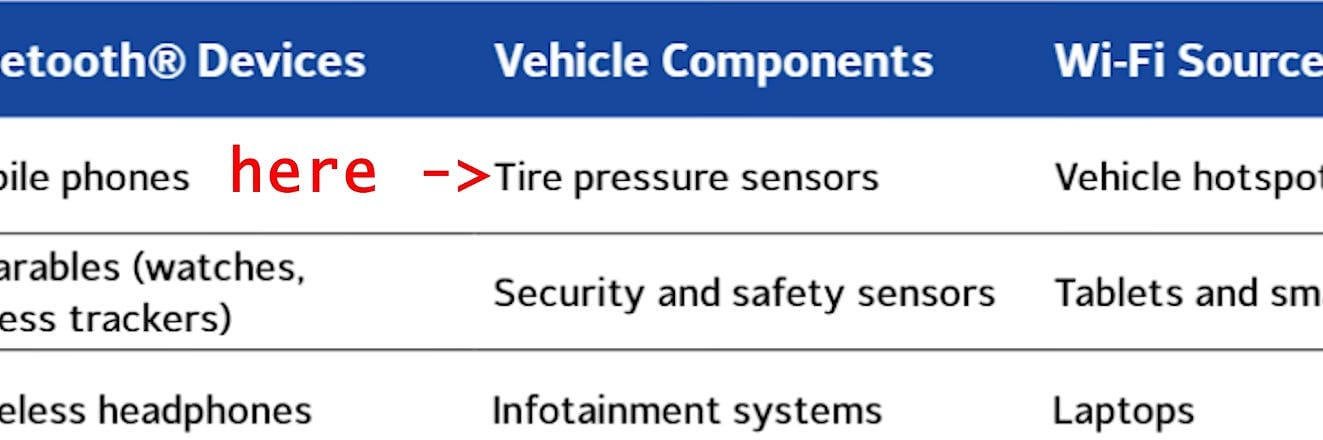
TPMS uses physical sensors mounted inside each tire, usually on the valve stem. These sensors each contain a small battery-powered transmitter that measures the air pressure (and often temperature) in real-time, then transmits the data wirelessly via radio frequency (RF) to the vehicle’s onboard computer.
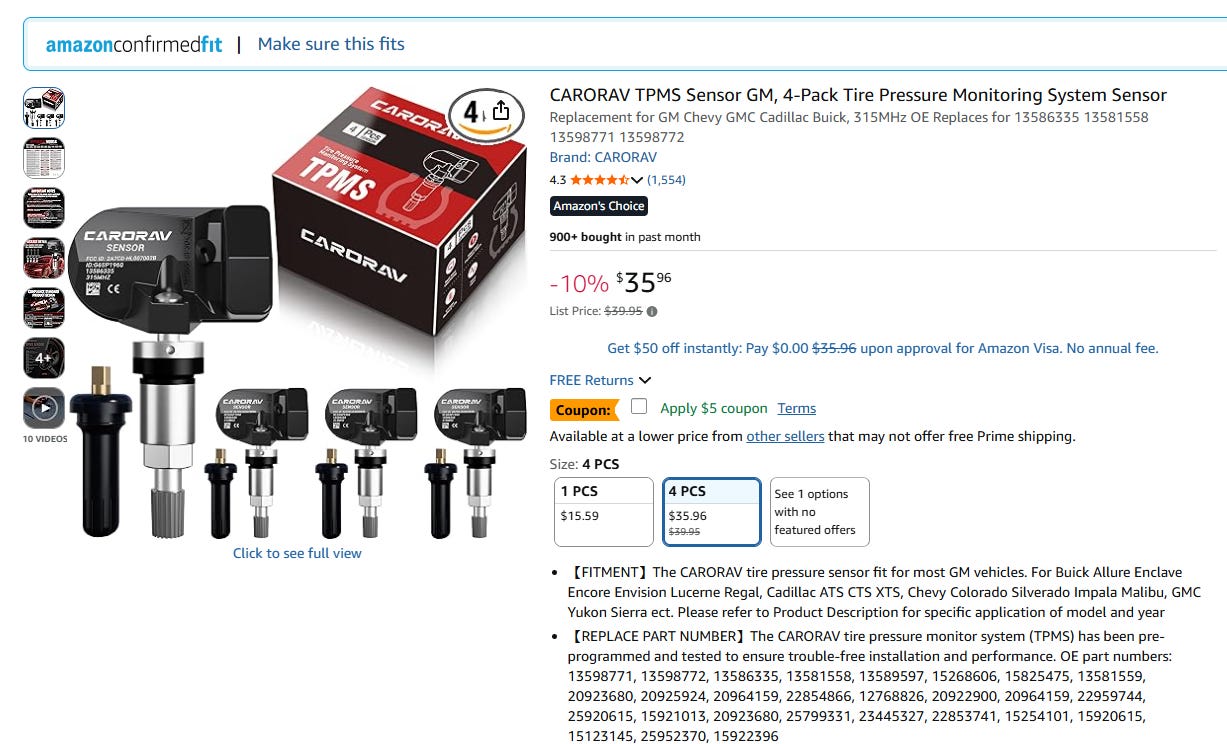
Now here’s why this matters: like an IP address is exclusive to a computer, or like a MAID is exclusive to a device, a tire signal is exclusive to our vehicles, and it has been federally mandated on new vehicles in America since 2006. And these transmissions are unencrypted, so anyone with the means can grab them from inside or outside our vehicles.
A group of researchers got together to try to figure out just how valuable TPMS readings could be. Long story short, only a dozen readers, which cost the research team roughly $100 per piece, were linked together to form a small network. Through this tiny network, they were able to track vehicle locations 24/7 and learn drivers’ travel patterns, habits, daily routines, and more. As CyberNews.com points out, this data is a goldmine for hackers and other evil-doers. I would add that it seems like a jackpot for robbers and stalkers too. After all, if they know you’re single and leave for the gym every day at 3pm, there is nobody at your home.
Meanwhile, under the guise of safety, older vehicles are essentially being banned by making them too expensive to own. The government must abolish these vehicles so we can only drive smart cars. To keep the public from outrage, the bans are sneakily coming in the form of things like the Vehicle Modernization Act, new mandatory state inspections that dictate exactly which tires, brake pads, and so on must be on the vehicle, as well as increased insurance and making insurance unaffordable. Additionally, by-the-mile fees are rolling out, and insurance companies can increase or outright deny coverage on the grounds that your 2010 SUV is so old that it is too risky for them to cover. This financial squeeze is designed to be so pricy, annoying, and intrusive that buying a new vehicle is the only option.
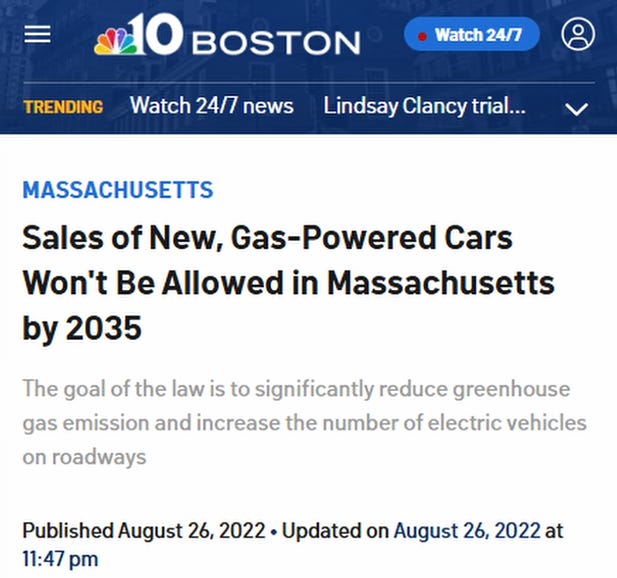
Massachusetts has already banned the sales of gas-powered vehicles, which will force all new car buyers into smart electric vehicles or no vehicle at all. After this goes into effect universally, gas stations will begin to vanish, so even if you refuse to buy an EV, you will not be able to drive your gas-powered car.
To aid in the war on gas vehicles, California is leading the way with raising gas taxes.
Speaking of vehicles, have you purchased a newer vehicle lately? People are coming to the realization that new models are becoming equipped with interior cameras, such as Jeep’s “FamCAM” which is being sold as a way for parents to watch the children who are sitting, quite literally, right behind them.
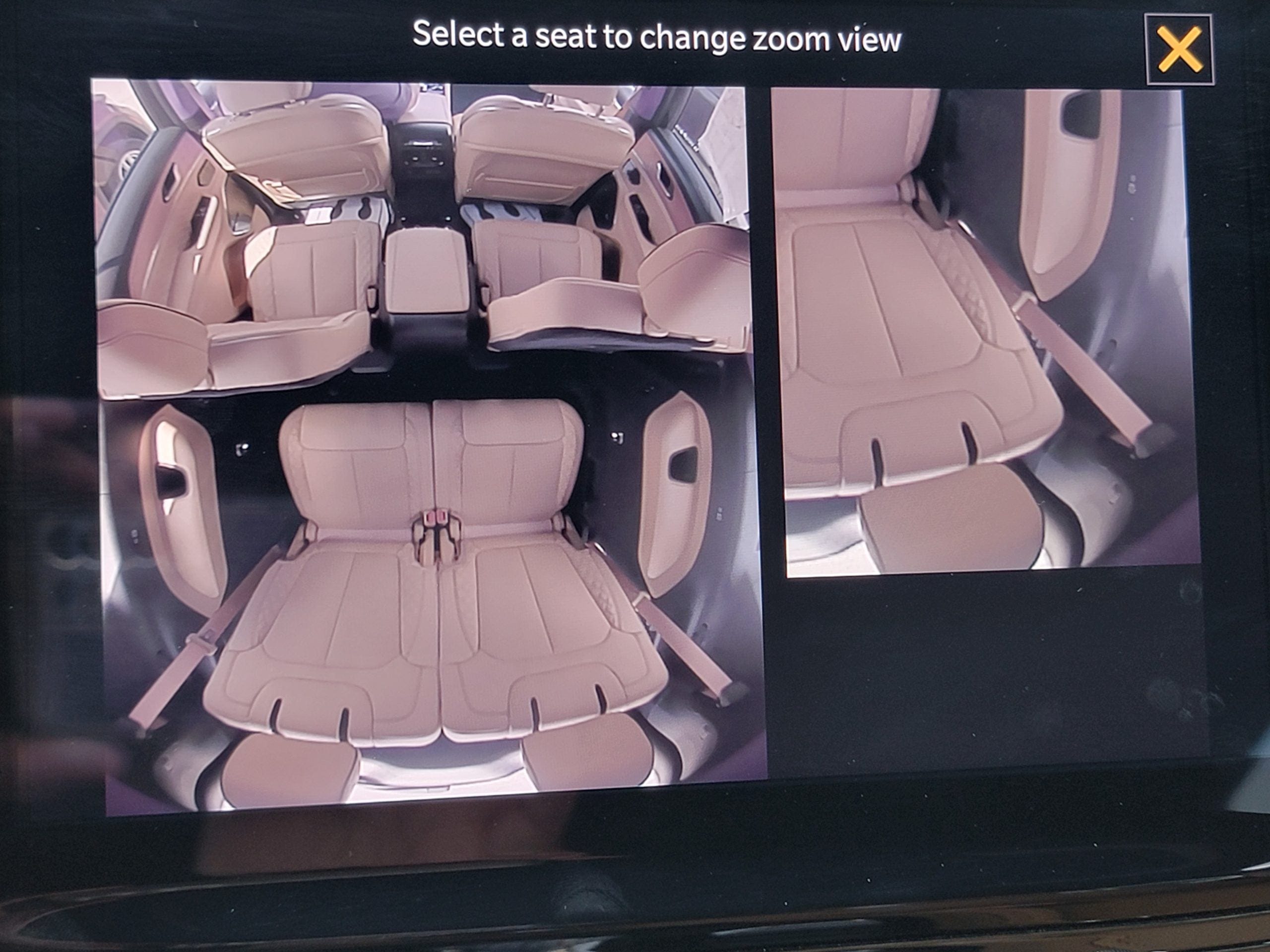
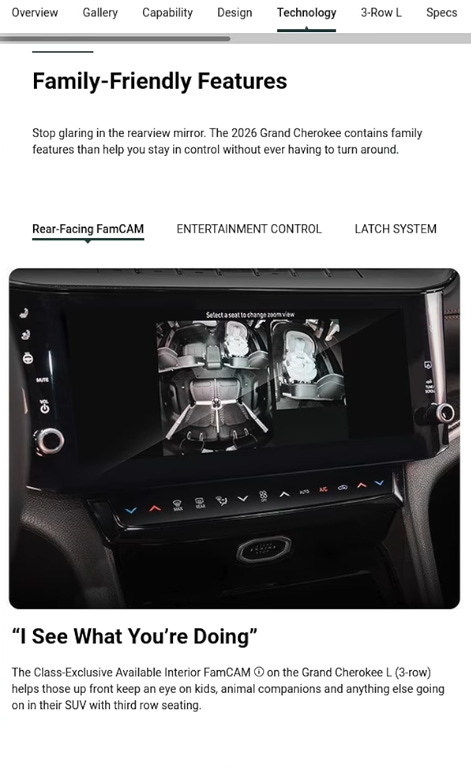
What exactly your children are doing that requires surveillance cameras to monitor them? I haven’t the slightest clue, but I can tell you that, since the first automobile was released in 1908, children have survived without a camera recording their every action, and your kids will also survive without one. And let’s not forget all of the microphones inside the vehicles. After all, you need these for hand-free calls and such. And because you could need to shout an order to your new truck at any time, the mics are always listening.
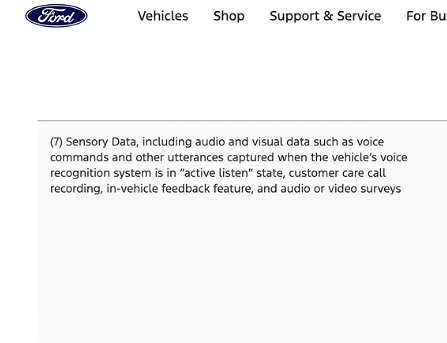
Tesla even has microphones on the outside of the vehicle, because, yeah.
Other vehicle purchasers have come to discover that their new car features a face identification system, which identifies the driver.
Aside from the discovery of interior cameras, when you purchased your new ride, did they force you to download a cell phone app that you didn’t want? Not only are people being forced to have these unwanted cell phone apps (which are harvesting their data), but they are now discovering that features that came with the car at the time of purchase are being taken away and made available only through a subscription program, which is a part of the unwanted app. For example, if you want to remote start your vehicle or use Apple Car Play, those will now cost you five to ten dollars per month. And this insanity isn’t only going on with budget vehicles. A new Mercedes-Benz buyer who spent $65,000 on the luxury vehicle is not able to unlock her vehicle using her cell phone without a subscription. Mercedes is even charging owners who want to be able to increase acceleration.
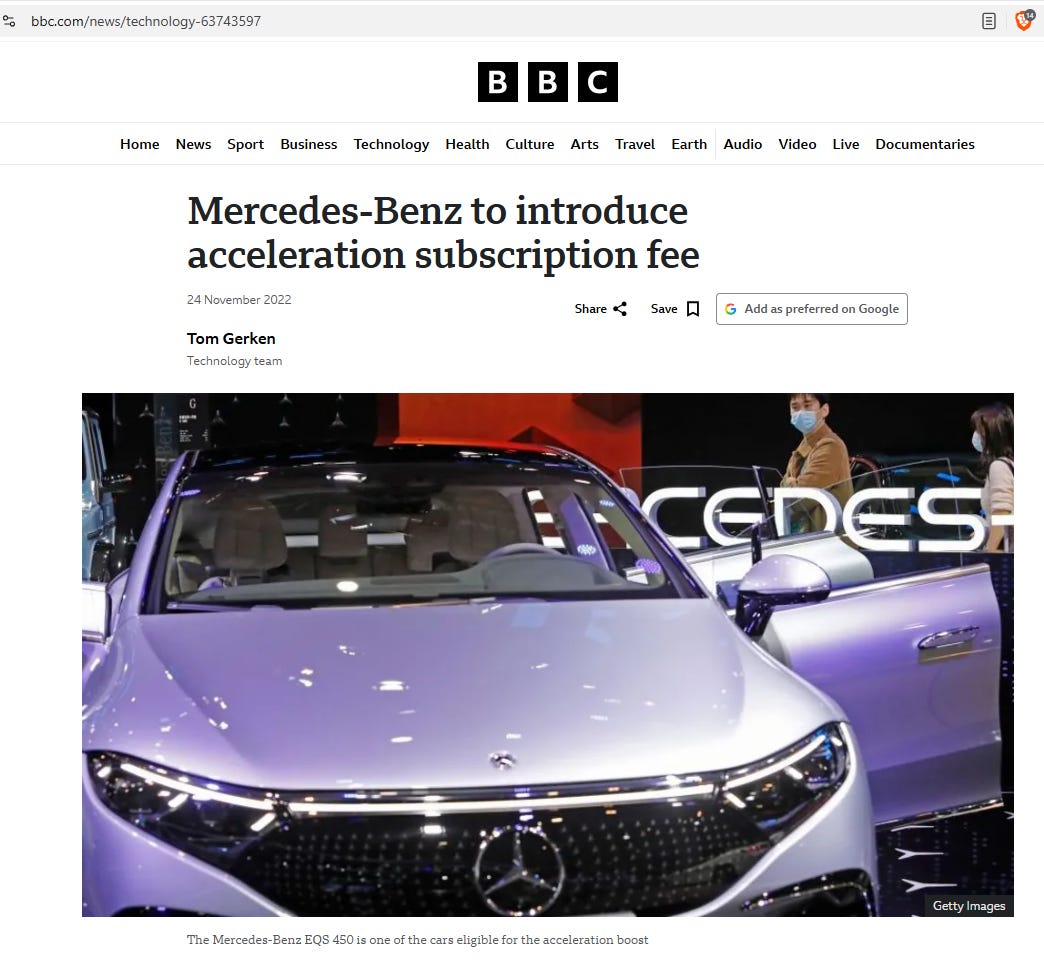
In some Mercedes SUVs, if you want to be able to turn your tires as far as possible for making sharp turns, that will now cost you.
With new Toyotas, having the ability to use navigation on your cell phone now costs $15 a month. It’s another $15 a month to stream music to the vehicle’s screen, but you can bundle the two for $25 a month. In newer Camrys, you can’t even use the built-in navigation unless you hop on a subscription plan. Another individual said they have to pay $8 a month to see their oil level and tire pressure.
While you can say nobody truly needs remote start or Apple CarPlay, think of the bigger picture. What happens when your heated seats and heated steering wheel package you paid for will only activate if you are on a monthly subscription? Oh wait, BMW already did that.
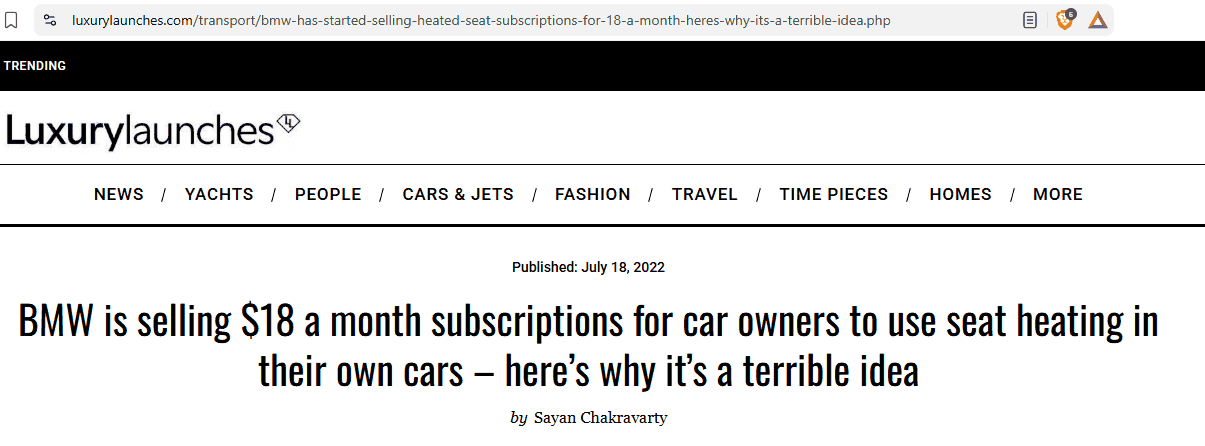
What if the radio doesn’t work unless your credit card is billed monthly? What if the gas flap won’t unlock? You see, when we bought the car, we paid for these features; now they are being taken away and put behind a paywall. And the bigger question: where does it end?
Scarier is the fact that these automakers have the kill switches already in place to remotely turn off our ability to use features on our vehicle based on whether we have a subscription for it through a cell phone app. Do you now see why all physical buttons are being removed and the push button start has been installed in everything?
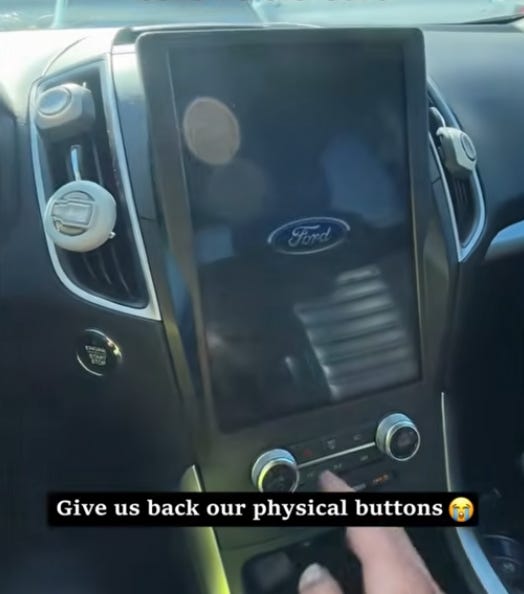
Even the door handles themselves are becoming push buttons.
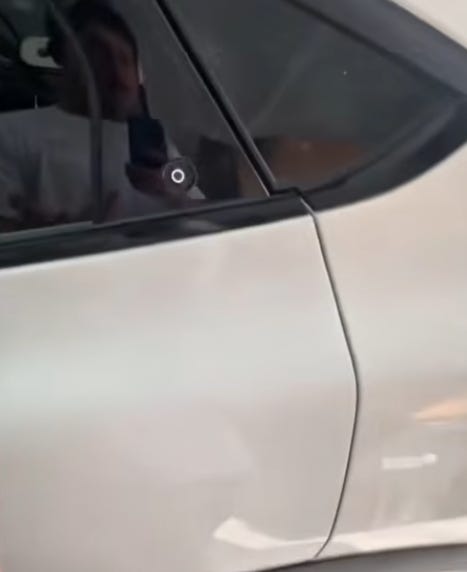
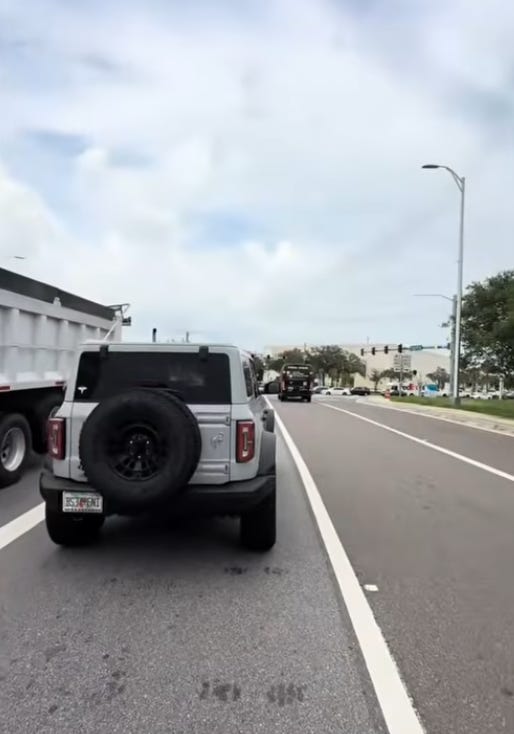
It is so it all can be taken away! Holy shit. And guess what? Every modern vehicle has a TCU, meaning Telematics Control Unit. It has its own dedicated cellular connection that is always on, and every single sensor in our vehicles is hard-coded to it. Now here’s the part that will blow your mind. This is all connected to our vehicle’s VIN number. This means if you tamper with a sensor, change a fuse, or, God forbid, try to not use one of these subscriptions by instead using completely legal open-source software, the vehicle instantly generates a report and sends it directly to the manufacturer’s cloud. In fact, a man who purchased a brand new Bronco claims he had it remotely shut down because he was running behind on one payment. Want to know where specifically the car turned off? Right in the middle of traffic.
Even that is not where the craziness ends. As you know, planned obsolescence has taken over the world. If you have never heard the term, be sure to read my fantastic publication, Planned Obsolescence, Hedonism, & The Conspiracy to Forever Alter American Society.

Vehicles are no exception to the rule. Like everything else that was intentionally downgraded so it will not last, our cars, trucks, and SUVs are designed to break.
And if your brother knows how to wrench on cars, so you’re not too worried, automakers are now pushing politicians to make it illegal to DIY fix vehicles. Now, some automakers are rolling out a $50 a year subscription for people who want access to their vehicle’s diagnostic data so they can find the problem and correct it without the need for a pricy visit to the dealership mechanic. If you don’t pay, you will not have access to error data. Chrysler, Subaru, and Nissan have already implemented this, while Ford and others have confirmed they are not far behind.
While all of this is overwhelming information, the wildest part is just how long the spying has been going on without us knowing and just how far back this whole thing was planned. Let me show you…
NEXT READ: THE FLOCK PSYOP? THE FINAL CHAPTER
Thanks for reading this article! Believe it or not, writing free content actually isn’t free. If you want to support my work, buy me a coffee, make a Ko-fi donation, or shop my eBooks and download and preserve true history. Donations allow me to pay for websites and programs that allow me to write content that you haven’t seen elsewhere.
Oh! One more thing, Truth Be Told: The Mega Event is now available on a thumb drive!
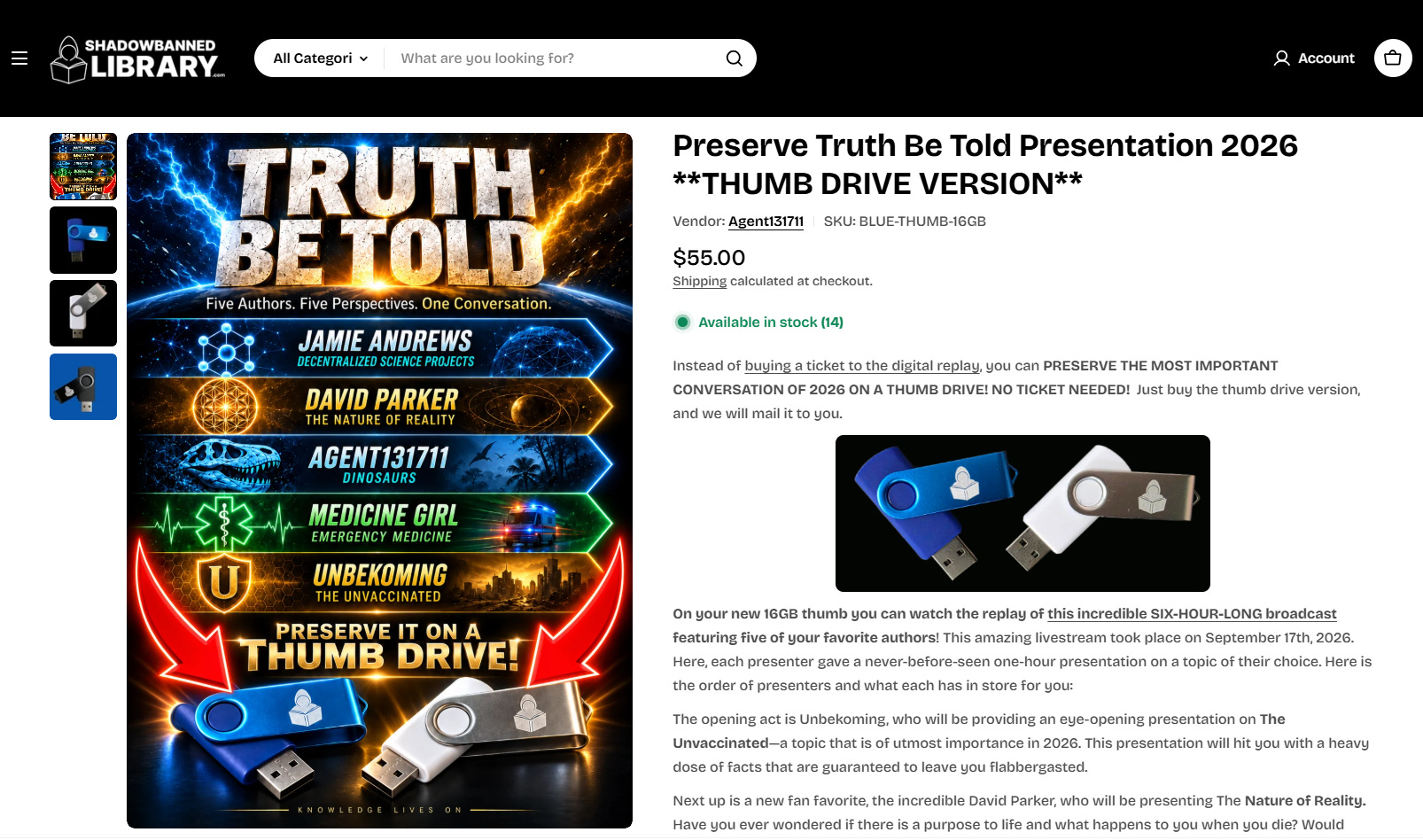
If you didn’t grab a ticket to the 7-hour-long livestream, you can pick up a thumb drive and see all five authors’ presentations. The event got outstanding reviews. Click here to order it on a thumb drive, and we will get it mailed out to you quickly. International shipping is now stupidly expensive, so if you are outside of the United States, you are unfortunately better off grabbing a ticket to watch the livestream replay. Click here to watch the livestream or click here to order it on a thumb drive.
If you want to make sure you are updated when new articles, eBooks, events, and podcasts are released, be sure to sign up for WhatsApp notifications:
Lastly, make sure you are on my mailing list so you get all of my new content sent straight to your inbox!