

Growing up on a working ranch, I observed that gas mileage wasn’t just some random number on a dashboard; it was a way of life. My dad, a CPA and rancher, obsessed with the bottom line (and, add in a massive amount of paranoia and control), had our own fuel delivered to the property every month. But fuel wasn’t free, and for this WWII Depression-era man, that meant every gallon had to be accounted for.
He kept a notebook in the glovebox of every vehicle, whether it was the pickup, the tractor, or the old Buick. Every time you filled up, you were supposed to jot down the mileage, the number of gallons, and then do the math. Recording mileage, gallons, and a quick calculation was the rule on the ranch. For a while, I followed the routine and wrote down the numbers just like he wanted. But eventually, I realized it was pointless. Nothing changed because of those numbers. We still filled the tank, still drove the same way, and none of it made any real difference. I finally told my dad it was a waste of time and refused to keep doing it. I stopped writing the numbers, stopped doing the math, and stopped pretending it made sense just because it was his rule. My siblings were shocked, but I stood my ground. I argued, debated, and eventually refused, regardless of the consequences. And of course there were consequences, but, as usual, it was worth it. Not much has changed. In this image, I was furious at my mom for cutting my long hair, and even worse into bangs and then having the audacity to ask me to smile for the photographer. Never.

What I didn’t realize then was that, in his own way, my Dad was unwittingly preparing me for a world obsessed with quiet compliance. Most people love to follow the rules, even when those rules don’t make any sense. But I was the outlier. In school, I questioned, resisted, and refused to go through the motions just because someone in charge told me to or everyone else was blindly following lockstep. Years later, we all watched the same dynamic play out on a massive scale: people doing as they’re told, no matter how absurd, wearing a mask in the shower, donning spacesuits to eat at a restaurant, or blindly following influencers’ advice to drink their own urine or take toxic chemicals like rat poison, DMSO, or magnesium, all without a single question. Just raising a toast to their favorite influencer like Jim Jones followers drinking his CIA bowl of Kool-Aid. It’s the same old tired story, just a bigger audience of hungry baby birds.
Those early days on the ranch did leave me with one imprint I can’t seem to shake: gas mileage. When I used to drive for work, sometimes 200 miles in a single day, I watched my mileage like a hawk. A few years back, after moving to California, something started to vex me. My mileage numbers weren’t just fluctuating; they were swinging wildly, sometimes by as much as 5-7 miles per gallon. I’d drive the same routes, at the same speeds, but one fill-up would net me 16 mpg, and the next, from a different station, would shoot up to 22. Crossing the California-Nevada line? The difference was even more dramatic-up to 10 mpg with each tank. It didn’t add up, thanks to my ingrained ability to calculate gas mileage.
At first, I blamed my truck, maybe the tires were low, no, the air filter clogged-replaced it, or something mechanical. But after months of careful tracking, the pattern was too obvious to ignore: the only variable was the fuel. Different stations, different blends, different state regulations. And that’s where this story really begins. The first step was simple: document everything. I started tracking every fill-up, every receipt, which gas station, time of day, temperature, everything. The numbers didn’t lie. I’d fill up at one station and watch my truck chug through a tank like it was running on watered-down coffee, barely scraping 15 or 16 miles per gallon. Next week, I’d fill up elsewhere, same truck, same route, same driving habits, and suddenly I’d be cruising at 23, even 26 miles per gallon. And it gets even more interesting. I went from driving a 2017 pickup to a 2023, same make, model, and weight, and same scenario at the pump.
I tried to share what I was seeing. I posted on Nextdoor, Facebook, and a couple of forums. Nothing. Posts vanished, never got approved, or just disappeared. I even remember a guy who posted about this on TikTok, laying it all out with receipts and video. The next time I checked, his account was gone. Nobody followed up, nobody asked questions. Just silence.
Maybe fuel efficiency isn’t just an inconvenience for the industry; maybe it’s a secret they want to keep. If nobody else was going to ask these questions, I would. And if nobody wanted to hear the answers, it only made me want to dig deeper.
Fossil Fuels and The Great Dinosaur Hoax
Let’s start with one of the most persistent lies you’ve ever been sold: the idea that oil is made from dead dinosaurs. “Fossil fuels”, as if every gallon of gas started as some giant prehistoric lizard melting its guts, bones, and scales into a concentrated pit in the earth. They drill it into our heads from grade school onward. But if you’re reading this, you already know that story doesn’t add up.
Agent 131711 has put this myth to bed. There’s no credible evidence dinosaurs ever existed, let alone that their bodies somehow transmuted into the black gold running the world. Again, when you use logic, does it make sense that lizards melted into gasoline? Or a T-Rex somehow evolved from a walking fish? It makes me laugh when I think about my brother’s room, decorated with all the dinosaurs that ever lived, and his blind obsession and love of big, bad lizards. The oil fields of the Middle East and beyond? That’s the result of massive die-offs of ancient forests, plant matter, and organic layers, not the bones of creatures you saw in coloring books. Oil is renewable, replenishing itself over time as the earth processes organic material, especially plant-based. You can even make your very own out of garbage oil or water, sugar, and yeast, making a big batch of ethanol fuel.
And if you think the earth just “naturally” turned lush jungles like the Sahara into dead deserts, think again. There’s a long, ugly history of human intervention, rerouted rivers, engineered climate shifts, and entire ecosystems wiped for power and profit. Take Omar Qaddafi: he tapped into a primary water well and underground rivers in Libya, aiming to feed Africa. The response? Accusations of WMDs, bombed them back to the Stone Age, and his water project erased from the map. Of course, most still believe Americans were the heroes.
Want to see the real dinosaur proof that will shock even the most seasoned of conspiracy theorists? Join us for our LIVE MEGA EVENT, Truth Be Told on September 17th, where Agent 131711 will expose the entire shocking dinosaur hoax, live and unfiltered. Tickets are still on sale; use code MG for a discount, and as a thank you, you’ll get my free guide to making your own oil of oregano. Just email me at robin@purifywithin.com, and I will personally send you a thank-you message and your personal guide to making your own oil of oregano infusion, which works even better than the distilled. And much less expensive.
We are bringing you a once-in-a-lifetime crew of unwavering truth tellers and an unforgettable evening packed with jaw-dropping insights, hands-on experiments, and life-changing wisdom. This is your golden ticket to breakthrough thinking, practical transformation, and a community unlike any other!
Why You Can’t Miss This:
Agent 131711: Agent's classes have been wildly popular for good reason. Taking his class is like watching a really good movie that makes you the smartest person in the room. Not hard these days, but we will also give you the tools to create the life of your Dreams.
David Parker: Get the keys to the kingdom! David will show you, live and in real time, exactly how to unlock your mind, shatter limiting beliefs, and manifest your dream life—starting now. No cult leader required, just powerful, proven tools for unstoppable change.
Medicine Girl: See what really works. I’ll share exactly what I do in emergency medicine so you can stay safe, avoid unnecessary ER visits, and confidently handle most urgent situations at home. You’ll walk away empowered and prepared for anything with the option to purchase an all-encompassing home kit everyone should have. Available to participants only.
JamieAndrews: Experience the thrill of real discovery as Jamie teaches you how to conduct your own experiments at home. Knowledge is power; unlock your inner genius and become the scientist of your own life!
Unbekoming: Ever wondered how the unvaccinated navigate, adapt, and thrive in today’s world? Unbekoming pulls back the curtain and shares the fascinating truths, strategies, and mindset shifts that make all the difference.
This isn’t just another online event; it’s an actual revolution in how you think, heal, and live. A few lab-style seats remain to witness, learn, and transform alongside a community of bold, open-minded trailblazers. We don’t hold your hand and do the work for you; we believe in you and your power to ignite your own wisdom.
Mark your calendar for September 17th—this is the event everyone will be talking about. We'll record it for those who can’t make the live viewing.
The Birth of the Gasoline Industry: The Blueprint for Yet Another American Swindle
If you think the story of gasoline is just about innovation and the American dream, it’s time to wipe the black oil dripping off your blue-light blocking glasses. What you’re about to read is the real script, one written in backroom deals, rigged science, and a level of public endangerment that should have sent executives to prison, not to the Fortune 500. Wait, that is the point of a capitalist economy. Only the ones exposing it get into trouble. Just like the fat cats used the system to create the Federal Reserve and sell us on capitalism, communism, or socialisms or any isms beyond direct value trade.
In the early days of oil refining, gasoline was a toxic byproduct of kerosene production. The real prize was kerosene, prized for its light and heat. The rest? Waste. The U.S. Geological Survey and period newspapers from the 1860s–1890s document a now-forgotten scandal: tens of millions of gallons of gasoline, naphtha, and other volatile fractions were dumped into rivers, creeks, and marshes, sometimes catching fire and poisoning everything downstream.
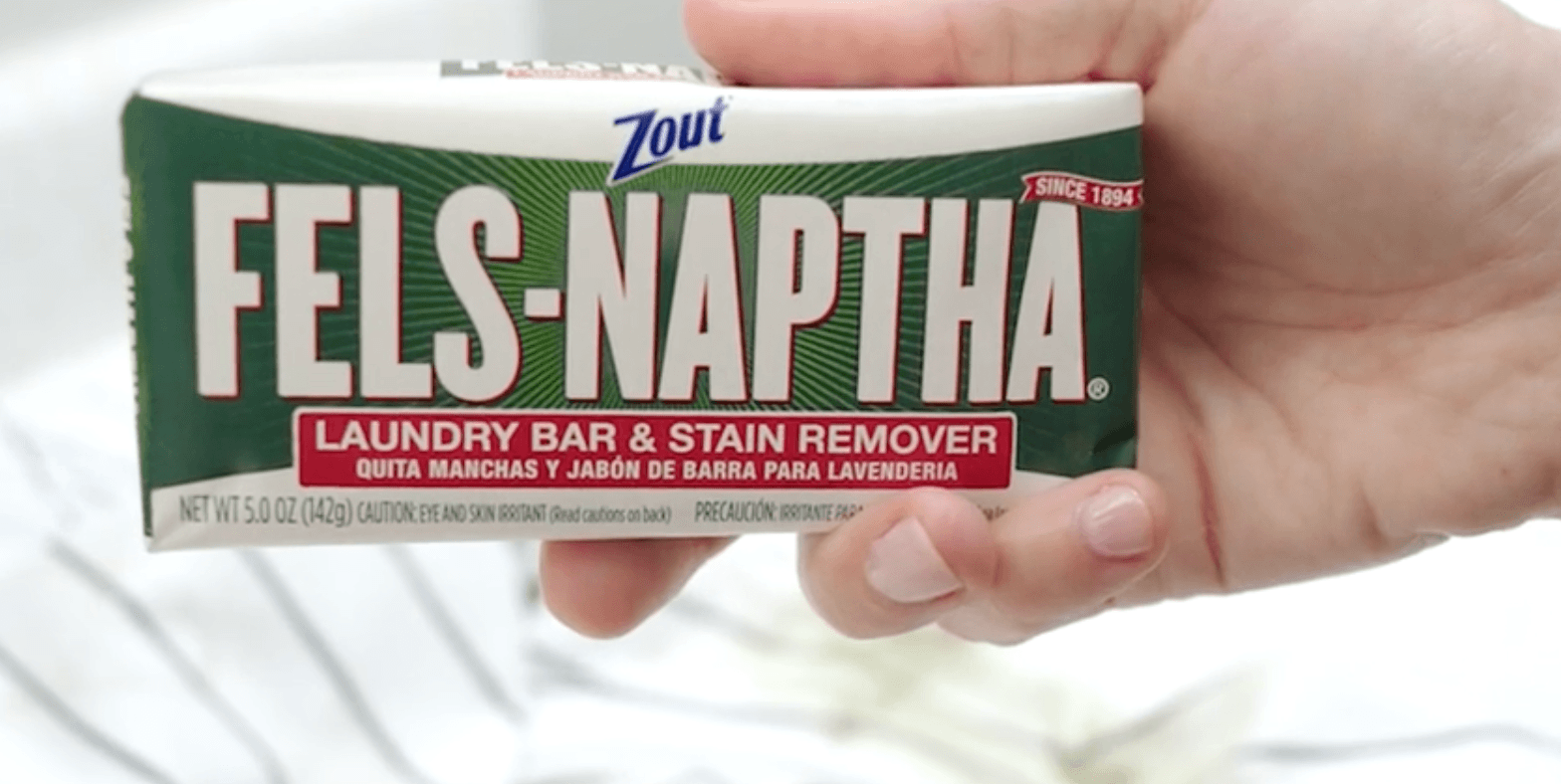
A Brief Aside: Yes, the naphtha is the same one you remember: Fels-Naptha, a historic laundry bar soap originally made with a petroleum-derived naphtha solvent. Yes, folks, ALL soap is bad for you, sorry, even the cutsie bars made in home kitchens. My members have known this for over 5 years, so if you suffer from FOMO, reach out to the Shadowbanned Library and join my inner circle. You won’t have to wait for the rest of the influencers who steal my articles here or at the Library, get AI to write a script for them, and repeat it on Instagram as if it were their own idea. You will get my original thoughts, years before the parrots hopping on the bandwagon, along with all the rest of my brilliant members, each living their dream life, healthy, wealthy, and wise, sharing their magnificent gifts. We even have investment strategies and real estate topics.
Case in point:
In 1884, a stretch of the Allegheny River outside Pittsburgh was so saturated with refinery waste that local papers reported: “oil rainbows slicking the surface for miles.” Residents complained of fish kills, livestock deaths, and water that “burned the lips when touched.”
The 1870 annual report of the Pennsylvania Board of Health documented widespread birth defects and epidemics of skin disease in communities downstream of oil country attributed, even then, to petroleum pollution. Imagine what swallowing a petroleum-based vitamin every day does?
Documented cases include entire river stretches catching fire in Pennsylvania, Ohio, and New York, sometimes from a random cigarette or ignition spark, sometimes from lightning. One 1892 incident on Oil Creek in Titusville burned for three days, killing untold wildlife and rendering the river a dead zone for years.
In internal memos from the 1890s, the U.S. Army Corps of Engineers repeatedly begged Congress to regulate refinery waste, citing “chronic explosions, public health emergencies, and destruction of aquatic life.” But Standard Oil’s political muscle kept meaningful regulation at bay. More direct evidence: “virus” and “plagues” of yesteryear.
“Mysterious Illnesses” and Corporate Cover-Ups
Early oil workers, usually poor immigrants, were exposed to raw gasoline and naphtha without any protection. Today, we see a new wave of immigrants bused in, late arrivals under unclear pretenses. Learning from history, consider also the recent boom in data center construction, the spread of Flock surveillance cameras, the mass spraying of herbicides in national parks, and the labeling of edible native plants as “invasive species” to justify their destruction, along with entire ecosystems. Even the construction of border walls, we are told to keep “illegals” out, raises the unsettling question: are they also meant to keep us in? When you connect these threads, the idea that 2030 smart cities, with full slave-mode-activated digital currency, marks a turning point no longer seems far-fetched. Would good Americans really build their own prison? And if not, certainly immigrants would be the ones to fill it, as history seems to repeat itself?
In the late 1800s, local doctors reported alarming clusters of neurological disorders, respiratory failure, blindness, and cancers among refinery workers and riverside communities. By 1896, internal correspondence from Standard Oil’s legal department (now housed at the Rockefeller Archive Center) reveals executives actively discussing how to suppress “unfavorable reports” linking refinery waste to public health crises. Their solution: pay off local officials and mount PR campaigns blaming “bad water” or “unsanitary immigrants.” If you want to prove a virus exists, here it is. You can call it the Black Plague or whatever label you want. Same old tired story they use over and over and over. Only a few are smart enough to see it, and the rest take petroleum-based pharmaceuticals labeled vitamins, drink manufactured magnesium, and think they are healthy.
Manipulating Science, Silencing Dissent-Standard Operating Procedure
By the early 20th century, Standard Oil and its peers were actively funding university research on the condition that company lawyers review (meaning censor) findings about the environmental or health dangers of petroleum before publication. A 1907 letter from Charles Pratt (Standard Oil executive) to Columbia University’s chemistry department lays it out: “All findings relating to refinery byproducts or their environmental effects must be submitted for review. No publication is authorized without express written consent.”
Congressional hearings from 1906–1910 reveal how Standard Oil’s lobbyists systematically weakened or killed every serious attempt at environmental regulation.
The Rivers and Harbors Act of 1899, America’s first federal anti-pollution law, was gutted in committee after Standard Oil threatened to relocate jobs and donations.
When the state of Ohio tried to sue for damages after a gasoline spill killed “every fish for thirty miles,” Standard’s lawyers dragged the case out for a decade, eventually settling for a pittance and a non-disclosure agreement.
By the time gasoline became valuable, the environmental damage had already been done.
Entire species of freshwater mussels and fish disappeared from rivers in western Pennsylvania and eastern Ohio by 1910, extinctions that were never officially acknowledged. They remain endangered today because of ongoing corporate pollution.
Soil cores taken from old refinery sites in the 1970s still showed toxic levels of contaminants a century later proof that this was not just a “nuisance,” but a generational crime.
Oil-funded “historical societies” wrote the official story, omitting the spills, fires, and poisoned towns.
University endowments swelled with Rockefeller money, and research into petroleum’s early environmental impact all but vanished.
The gasoline industry was born in rivers that ran with its poison, in towns without water, health, or a future. The cover-up was systematic, the victims left voiceless, and the ongoing ramifications are seen even today, not to mention they are added to.
Rockefeller’s Standard Oil: Ruthless Foundations
John D. Rockefeller’s Standard Oil did more than dominate the oil market. It used the rules of American capitalism and set the baseline standard for psychopathic corporate power that shaped the next century. Court documents, congressional reports, and previously hidden internal correspondence have made the tactics public record.
One of the earliest maneuvers was Rockefeller’s stranglehold on railroads. In the 1870s, Standard Oil secured confidential deals with major rail lines like the Pennsylvania, Erie, and New York Central. These deals gave Rockefeller’s company steep shipping rebates not just on its own barrels, but on competitors’ oil, too. This meant rivals paid up to 40 percent more to ship their product, which crippled their ability to compete. The details of these backroom arrangements came to light during the 1879 Hepburn Committee hearings, where railroad executives and Standard Oil agents were forced to admit the extent of their collusion. It sounds awful and sinister, but every industry uses these tactics, and they keep getting bigger and more evil. No need for lizard people, the Illuminati, or Freemasons. Just corporations.
Rockefeller expanded his black plague by creating dozens of subsidiaries and shell companies. Each operated under a different name, Acme Oil, Solar Refining, and many others, but all reported back to Standard’s main office. This allowed the company to quietly buy out rivals and present a false sense of competition to the public and regulators. Internal memos released during the 1911 Supreme Court case reveal explicit orders: acquire competitors through proxies, keep transactions secret, and shut down or absorb any refinery that threatened Standard’s dominance.
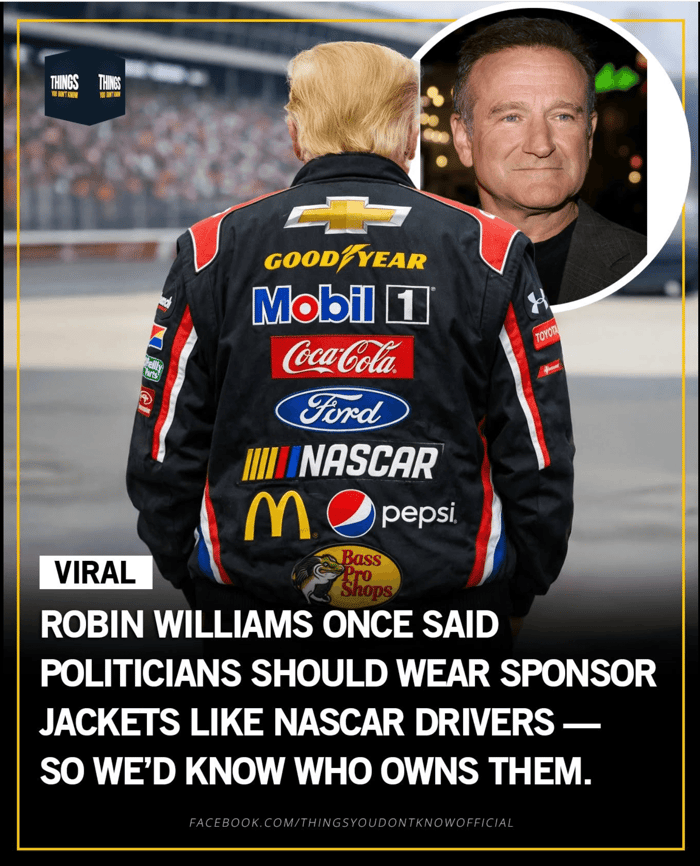
Those who resisted Standard’s buyouts faced intense pressure. Rival companies faced price wars in which Standard sold oil below cost in select markets until competitors were forced to close. Contemporary reports and congressional testimony documented other aggressive tactics: equipment sabotage, bribery of key employees, and, in some cases, suspicious fires at independent refineries. Letters from local oilmen in Pennsylvania and Ohio described relentless harassment and intimidation whenever they refused to fall in line. We can see just after Bill Gates purchased all the farmland in the US, the same mysterious fires, this time in processing plants, price fixing of food, and poisoning our public land and fencing us off from nature are in full swing. Once you see the playbook for what it really is, there is no longer a debate over who is in charge. Robin Williams said it best.
Standard Oil also controlled lawmakers and the courts. Company representatives funneled campaign donations to politicians and wrote drafts of regulatory bills that favored Standard’s interests. When government officials tried to break the company’s hold, Standard’s legal team delayed proceedings, moved cases to bought and paid-for judges, or quietly settled disputes before damaging evidence could become public. The Ohio attorney general’s attempt to revoke Standard’s charter in 1892 was buried under years of legal maneuvering and appeals.
Public opinion was another front in Rockefeller’s campaign. Standard Oil paid for positive newspaper stories, commissioned ghostwritten editorials, and orchestrated attacks on journalists who exposed the company’s abuses. Ida Tarbell, whose reporting in McClure’s Magazine galvanized public outrage, became a particular target. Leaked correspondence from the company’s PR team instructed editors to undermine her credibility at every turn. Standard even tried to buy out the magazine that published her work.
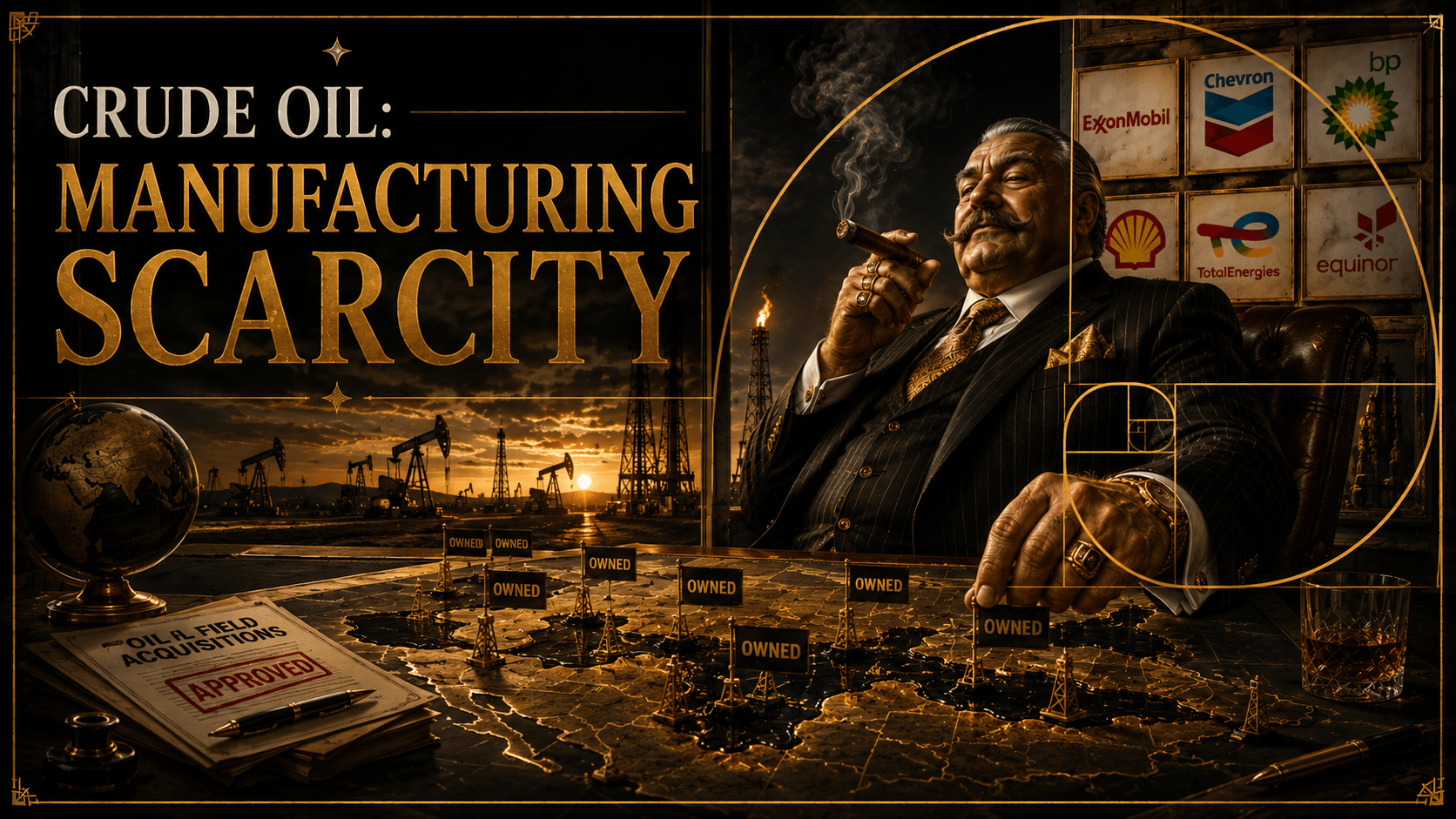
The so-called breakup of Standard Oil in 1911, forced by the Supreme Court under the Sherman Antitrust Act, revealed the operation's true scale and sophistication. Released documents included detailed ledgers of illegal rebates, internal correspondence coordinating price-fixing across subsidiaries, and board meeting notes discussing how to neutralize government investigations through strategic philanthropy or political donations. The 34 companies that emerged from the breakup Exxon, Mobil, Chevron, and others kept many of the same board members and continue to coordinate their identical strategies, preserving Rockefeller’s legacy of control.
Rockefeller’s methods shaped more than the oil industry. They became a model for corporate America, showing that control over infrastructure, aggressive legal tactics, and influence over law and public opinion could secure power for generations, or as we are seeing, forever. Those tactics are the cornerstone in today’s largest corporations, from banking to technology, as the legacy of Standard Oil’s monopoly continues to influence every corner of American life.
The Real Reason for the Prohibition
You may not realize that Ford’s original Model T (1908) was designed to run on ethanol, kerosene, or gasoline. Henry Ford saw ethanol, a renewable, homegrown fuel, as the true path forward. But for the oil barons, that was a threat. The passage of Prohibition in 1920 did more than ban booze; it criminalized ethanol production, effectively erasing gasoline’s only real competition. The oil industry’s fingerprints were all over this move, working in lockstep with the Anti-Saloon League to ensure that by the time America sobered up, gasoline was king by government decree, not consumer demand.

If Standard Oil’s rise feels eerily familiar, it’s because the blueprint they wrote for corporate dominance became the standard operating procedure for every major American power grab since, including the banking sector and the Federal Reserve.
The Banking Parallel: Enter the Federal Reserve
The Federal Reserve, established in 1913, followed a shockingly similar playbook. Created in the wake of created by design, financial panics, many precipitated by banking insiders, it consolidated control of the nation’s money supply into the hands of a private banking cartel, all under the guise of public stability. Like Standard Oil, the Fed operates behind a fog of complexity and “independence,” unaccountable to voters and often moving in lockstep with the interests of the wealthiest institutions. The same families and firms that dominated oil, Rockefellers, Morgans, and their allies, were instrumental in creating the Fed.
Today, the same tactics shell companies, regulatory capture, control of supply and narrative are visible in every sector where a handful of corporations own everything. Whether it’s oil, banking, pharmaceuticals, or tech, the American public is sold the illusion of choice while profits and power consolidate at the top. The blueprint remains unchanged: puppet the politicians, privatize the gain, socialize the risk, and keep the public distracted with manufactured crises and empty promises of reform. What we witnessed earlier in politics and industry was more competition. Now, as the giants have bloated to unimaginable size, we are left with the debauchery.
Standard Oil and Rackafeller simply saw an opportunity to use the system to their advantage. The corporate capture of the state, the press, and the marketplace set America on a path where the true levers of power are pulled in boardrooms, never polling booths. Politics is only two wings of the same bird; it will never be anything but. No one goes into the system to change it, and if they try, they will be removed.
Leaded Gasoline
In 1921, General Motors chemist Thomas Midgley, Jr. (later infamous for CFCs) and Charles Kettering “discovered” that adding tetraethyl lead to gasoline could stop engine knocking. This move exemplifies a familiar corporate playbook: own an industry from the inside out, control the legal and political systems, and introduce profitable chemical solutions that ultimately poison people and the environment. Midgley later developed chlorofluorocarbons (CFCs), marketed as Freon, for refrigeration and air conditioning; the chemicals were both celebrated for their convenience and, as a bonus, recognized as persistent, toxic pollutants that linger in the environment for decades. The real legacy isn’t just industrial innovation, but a system where corporations profit first by creating problems through massive pollution and toxins, then profit again by selling supposed cures: drugs, vitamins, vaccines and supplements, and treatments for the very illnesses and conditions their products cause.
But here’s what the industry never wanted you to know: Midgley himself suffered severe lead poisoning during development. Workers at the Standard Oil and DuPont plants manufacturing tetraethyl lead went insane or died; some hallucinated, some threw themselves out of windows. Newspapers nicknamed DuPont’s Bayway facility “the House of Butterflies” because of the men’s bizarre, fatal delusions.
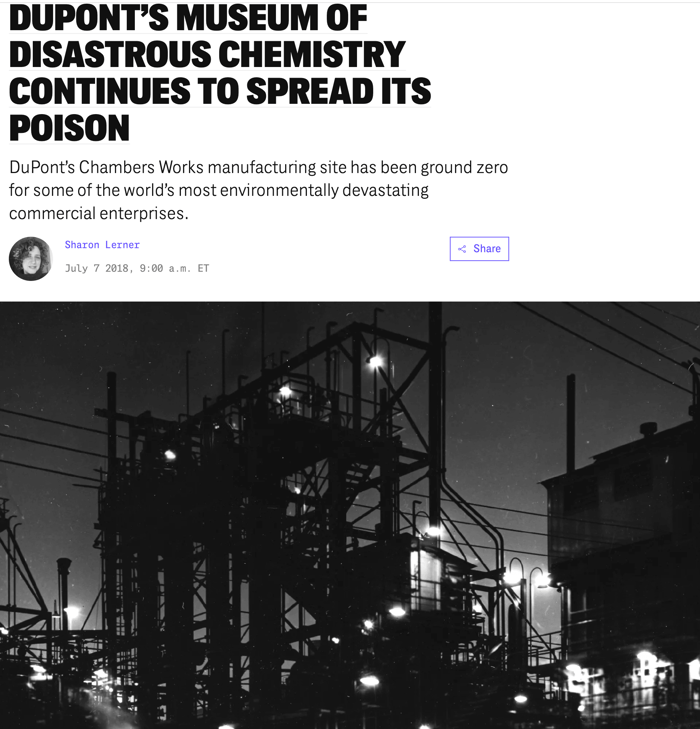
Did they warn the public? Far from it. GM, Standard Oil, and DuPont joined forces to form the Ethyl Corporation and unleashed a coordinated PR campaign to push their new additive. When independent researchers and public health officials raised concerns, these companies paid “independent” scientists to sow doubt and confusion. This is the real function of so-called “science” in the corporate world: just as politicians serve industry interests through policy, scientists are enlisted to create credibility to whatever narrative the industry wants to sell. The same tactics have been used with DMSO, vitamins, and countless other synthetic chemicals marketed as solutions while quietly fueling a new health crisis. Congressional testimony reveals executives flatly denying risks, even as internal documents recorded severe harm. Under industry pressure, the U.S. Public Health Service eventually declared leaded gasoline “safe”, a decision that, by conservative estimates, led to the poisoning of millions and a measurable decline in children’s IQs for generations.
This isn’t just breaking a few eggs to make an omelet-style collateral damage; it’s an orchestrated strategy: profit from the poison, then profit again from the so-called cures for its effects. As Rockefeller famously said, he wanted a nation of workers, not thinkers. If people are truly able to think for themselves, they won’t accept mind-numbing jobs or willingly build their own prisons. So, when leaded gasoline fell out of favor, the system simply shifted tactics. Now it’s prenatal vitamins, 3D images and routine radiation/ultrasounds for expectant mothers, vitamin K shots at birth, a steady stream of vaccines, processed food and tap water, and an endless array of vitamins and supplements disguised as sugar syrups and gummies for the youngest children. As kids grow, it’s energy drinks and fast food, with chemicals conveniently included in every bite, right down to the produce in the grocery store. The daily Starbucks run to stave off the night-before hangover completes the perfect chemical cycle. If one method fails to keep people sick, weak, dependent, docile, distracted, or unwell, another is always ready to take its place, ensuring the cycle forever continues and independent thought remains the rare exception. And of course, intense attacks from the ones you are trying to inform of the cliff they are about to walk off.
The Gas Station Revolution: Engineering Addiction
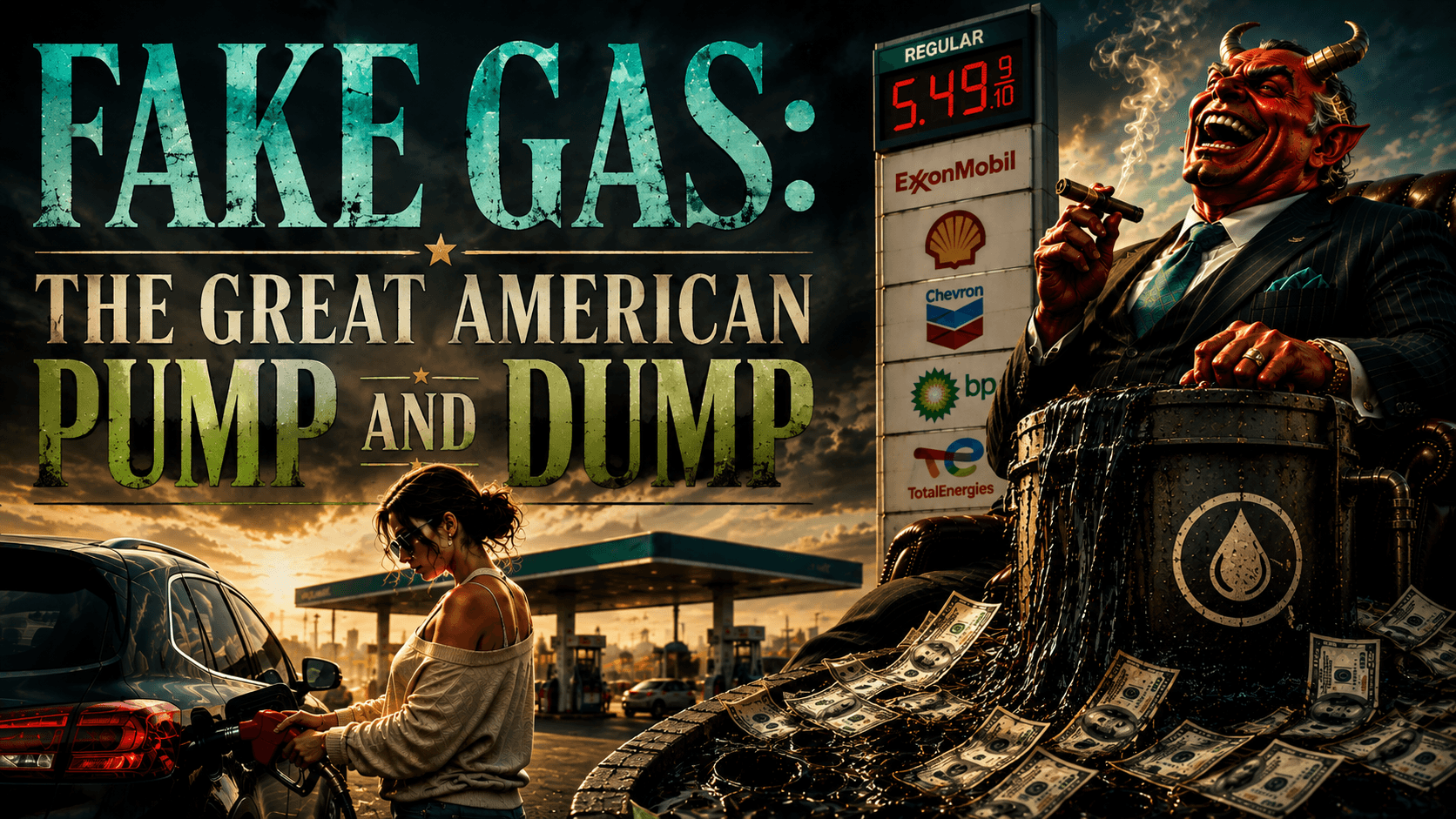
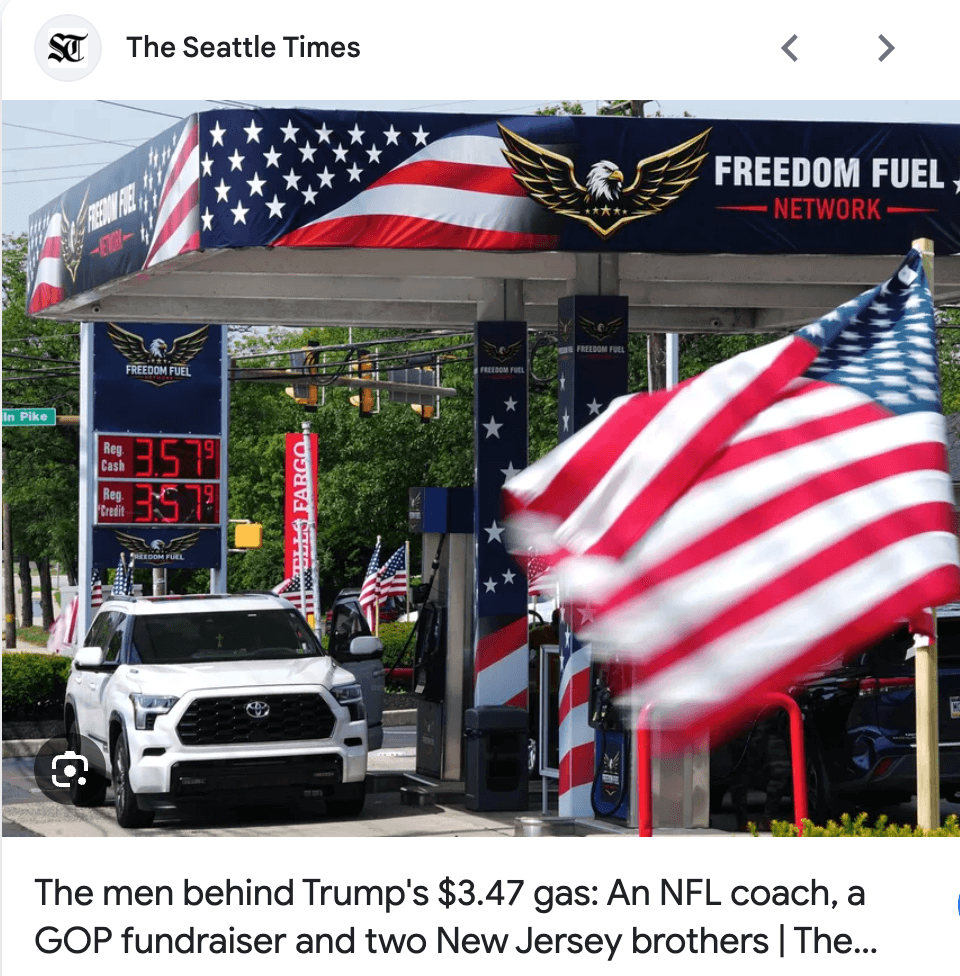
By 1930, the U.S. had over 200,000 gas stations. But these weren’t just places to pump fuel; they were psychological conditioning centers. Gasoline advertising blitzed the public with images of freedom, speed, and American exceptionalism. Secret industry documents reveal coordinated campaigns to disparage electric and steam cars, ridicule alternative fuels, and equate gasoline with patriotism. Oil-funded “educational” materials quietly shaped school curricula. The goal: make gasoline so embedded in American identity that questioning it would be unthinkable. When I asked AI who profits from “Trump's” war in Iran? The fuel industry. And when I asked who funded his election. Shocker, it was the same companies. Instead of losing energy and valuable time researching dipshits like Epstein and his pedo island, ask yourself: who profits from what I am observing? That’s all you need.
Smoking Guns They Hope You Never Find
Internal Standard Oil memos from 1910-1930, now unsealed, explicitly discuss strategies to “neutralize” ethanol’s market threat and coordinate with lawmakers to keep alcohol illegal, even after Prohibition was repealed for drinking.
1924 Congressional Hearings: Dr. Alice Hamilton, Harvard’s first female professor, warned that “lead is a slow, cumulative, and permanent poison”; her testimony was buried after industry-funded doctors claimed there was “no conclusive evidence.” They can’t get the lead out; however, it is too critical to producing dumb, lifeless pill poppers building data centers. Case in point: Lead poisoning remains a serious, ongoing issue in the United States, even decades after leaded gasoline was phased out. Decades of emissions left a toxic legacy; highway dust and urban soils near busy roads are still contaminated with lead, exposing new generations to harm. Recent studies show that children living near old highways and in urban areas still have elevated blood lead levels, yet authorities often downplay or overlook these risks.
Ethyl Corporation’s “research grants” to universities came with explicit contracts: no publication of negative findings about lead without company approval.
1920s-1930s PR campaigns: Oil companies funded “independent” magazines and radio shows to promote gasoline and smear alternative energy as dangerous, unreliable, or even un-American. Trump and Musk are still showcasing the movie franchise. Just to name a few:

The Fast and the Furious Franchise – The ultimate cinematic celebration of gasoline power. The original The Fast and the Furious (2001) and its standalone sequel The Fast and the Furious: Tokyo Drift (2006) heavily popularized modern tuner culture. The series centers entirely on modified high-performance engines, nitrous oxide boosts, and loud, aggressive exhaust notes.

Gone in 60 Seconds (2000) – A high-octane heist film that revolves completely around car-centric passion. The crown jewel of the film is "Eleanor," a heavily modified 1967 Shelby Mustang GT500. It presents high-performance gas vehicles as objects of artistic worship.

Ford v Ferrari (2019) – This historical drama captures the peak romance of 1960s motorsport culture. It details the immense engineering required to push internal combustion engines to their physical limits. The story glorifies the mechanical roar and mechanical purity of the V8 Ford GT40.

Rush (2013) – Directed by Ron Howard, this film chronicles the fierce 1976 Formula 1 rivalry between Niki Lauda and James Hunt. It frames Formula 1 cars as highly dangerous, volatile missiles powered by high-octane racing fuel.


Mad Max: Fury Road (2015) – Set in a wasteland where "Guzzoline" is a holy resource, the film features a literal religious sect called the "Cult of the V8". Characters explicitly worship supercharged internal combustion engines, spraying fuel directly into intakes for a suicidal burst of speed.
The Myth of the Free Market
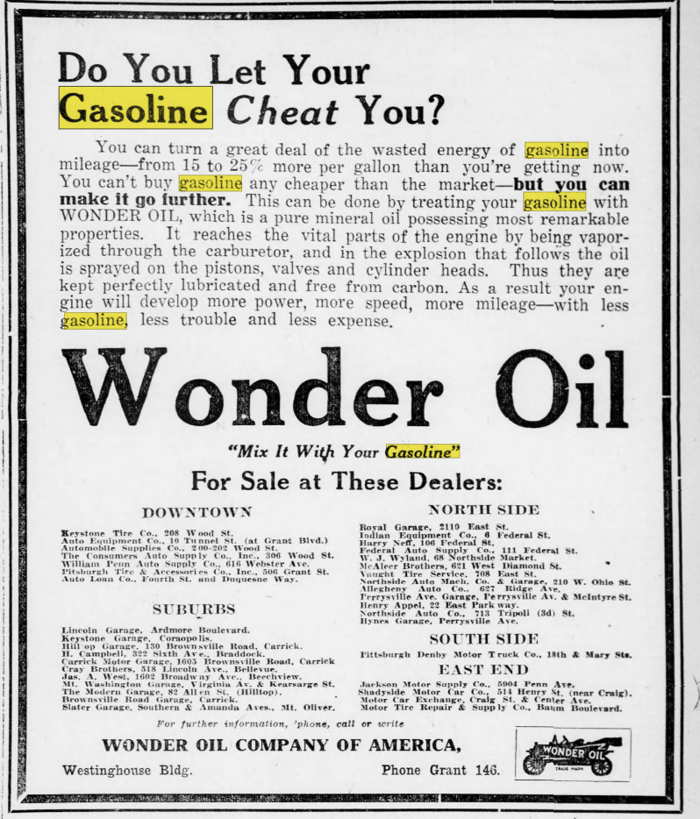
The gasoline industry’s dominance wasn’t the result of innovation or open competition—it was built on legislative rigging, scientific fraud, targeted censorship, and relentless propaganda. If you think that’s ancient history, ask yourself: why are these same companies, descendants of Standard Oil, still dictating energy policy today?
Conclusion: The Most Sinister Industry of All
The gasoline industry didn’t simply sell us fuel. It built an entire planet of control around its product. What began as a volatile refinery byproduct became one of the most powerful industries on Earth. Railroads were leveraged, competitors crushed, politicians influenced, science weaponized, and eventually an entire culture was built around the automobile and the pump. Gasoline stopped being something we purchased and became something modern life was designed to require. And that brings me back to the question that started this investigation.
Why was my gas mileage changing so dramatically depending on where I bought my fuel? I started pulling this thread because I wanted to understand a few miles-per-gallon difference. Instead, I found myself staring into more than a century of monopoly power, chemical experimentation, political influence, environmental contamination, advertising, and extraordinary amounts of money.
But we still haven’t answered the most important question.
What exactly are we buying at the pump today?
Because “gasoline” is no longer one uniform substance. It is a changing chemical mixture governed by geography, season, octane, ethanol content, refinery formulation, emissions requirements, and dozens of permitted components and additives. So now we leave Rockefeller behind and walk directly into the modern gas station.
And this is where things get really interesting.
Coming Next
ARTICLE 2 — What the Hell Is Actually in Your Gasoline? We’re opening the pump.
Where did the missing miles go? I intend to find them.
References
American Chemical Society. (n.d.). The rise and fall of tetraethyllead. Organometallics. ACS source
Federal Reserve Bank of Kansas City. (2013). Federal Reserve Act signed into law. Federal Reserve History. Federal Reserve History
Hamilton, A. (1925). The health hazards of leaded gasoline. In Proceedings of the U.S. Public Health Service conference on tetraethyl lead. U.S. Public Health Service. See also the modern historical review of Hamilton's occupational-health work and her opposition to leaded gasoline.
Library of Congress. (n.d.). Standard Oil established. This Month in Business History. Library of Congress—Standard Oil history
Library of Congress. (n.d.). Standard Oil's monopoly: Topics in Chronicling America. Library of Congress—Standard Oil monopoly collection
Library of Congress. (n.d.). The history of the Standard Oil Company: Ida Tarbell. Books That Shaped America. Library of Congress—Tarbell and Standard Oil
Midgley, T., Jr. (1925). Tetraethyl lead poison hazards. Industrial & Engineering Chemistry, 17, 827. The contemporary paper is cataloged and discussed in the ACS historical review of tetraethyllead.
Tarbell, I. M. (1904). The history of the Standard Oil Company. McClure, Phillips & Co. The Library of Congress identifies Tarbell's investigation as a major exposé of Standard Oil's monopolistic practices and railroad arrangements.
United States Environmental Protection Agency. (1973). Toward a cleaner aquatic environment. U.S. Environmental Protection Agency. The historical review identifies the Rivers and Harbors Act of 1899 as the first specific federal water-pollution-control legislation and discusses its prohibition on dumping refuse into navigable waters. EPA historical source
United States Public Health Service. (1926). The use of tetraethyl lead gasoline in its relation to public health (Public Health Bulletin No. 163). U.S. Treasury Department. The report is identified in the ACS historical literature on the leaded-gasoline controversy.
United States Supreme Court. (1911). Standard Oil Co. of New Jersey v. United States, 221 U.S. 1. U.S. Supreme Court decision
Wheelock, D. C. (n.d.). Overview: The history of the Federal Reserve. Federal Reserve History. Federal Reserve History overview