

The Real Causes of VKDB
Don’t worry, it’s not more letters to add to the AI+ alphabet gang. Before we dive into what’s really behind Vitamin K Deficiency Bleeding (VKDB), let’s recap where we left off. In the first article, we exposed the shaky science and industry-driven narratives that turned vitamin K shots into a universal medical ritual. We saw how the “deficiency” story was built on lab-manufactured crises, cherry-picked data, and a profit motive that conveniently ignored real-world evidence and risk.
Now, in Part Two, we’re going deeper, straight to the root causes the mainstream refuses to discuss. Forget the myth that nature is broken and babies are born flawed. The real environmental causes of VKDB aren’t random or genetic; they’re a direct result of what mothers are exposed to during pregnancy. It’s time to look at the actual science and see who’s really at risk, and more importantly, why. Hint: It’s not because of a man-made toxic chemical deficiency called vitamin K.
Forget the myth that nature is broken and babies are born flawed. The real environmental causes of VKDB are not random, not genetic, and certainly not solved by a toxic chemical shot. They are the result of a cascading series of modern interventions and exposures, before, during, and after birth. Here’s the list the medical system doesn’t want you to see:
Maternal Medication: The True Deficiency Trigger Platelet Destruction from Maternal Medications:
Certain antibiotics, especially sulfonamides, can trick the fetal immune system into destroying its own platelets (neonatal thrombocytopenia), causing bleeding.
All prescription drugs cross the placenta and some actively sabotage fetal clotting metabolism:Antibiotics (e.g., cephalosporins) block enzymes needed for clotting
Anti-seizure drugs and Bi-Polar Drugs (phenytoin, carbamazepine, phenobarbital) speed up clotting factor breakdown
Anti-tuberculosis drugs (isoniazid, rifampin) inhibit blood recycling
Maternal Diet: The Processed Food Problem
A diet heavy in processed foods, loaded with toxins and lacking leafy greens, healthy fats, and real nutrients, leaves the mother with little nutrition to pass to her baby. A diet devoid of real plant and fruit nutrients (another casualty of the fast-food, processed-food lifestyle) prevents the fetus from synthesizing strong collagen for blood vessel walls, leading to leaky, fragile vessels that bleed under normal birth stress, even if clotting factors are normal.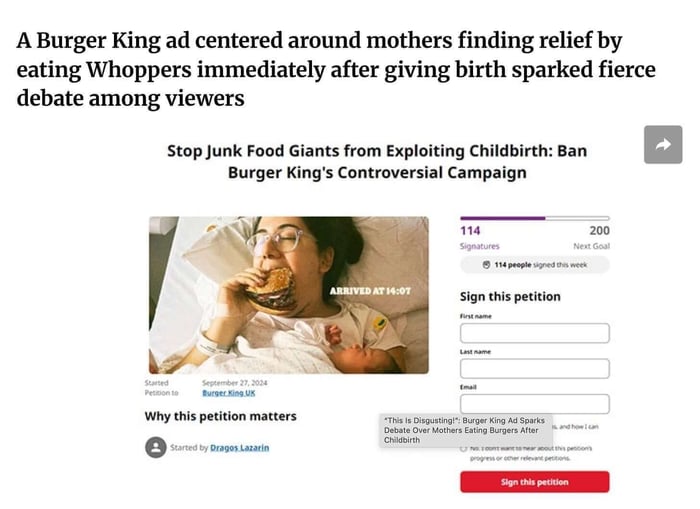
Birth Trauma: The Hidden Hemorrhage Risks
C-section births, forceps, and vacuum extraction can cause trauma to the baby’s head and body, sharply increasing the risk of hemorrhages, skull fractures, and internal bleeding especially when protocols ignore gentle birth practices.Early Cord Clamping and Placenta Separation
Cutting the cord before it stops pulsing robs the infant of vital nutrients, clotting factors, and oxygen-rich blood. The abrupt loss of placental support is a modern iatrogenic risk that can make newborns more vulnerable to bleeding.Disrupted Microbiome: The C-Section and NICU Effect
Babies born by C-section miss out on critical exposure to maternal microbes that seed the gut and help establish immune and clotting function. Antibiotic eye ointment, systemic antibiotics, and NICU or hospital stays with antiseptics, gloves and sterilized equipment, including wrapping in bleached blankets further disrupt the microbiome, compounding risks.Circumcision: The Institutionalized Bloodletting
Routine circumcision is a major source of bleeding and trauma for newborn males, a medically sanctioned wound that would never occur outside the hospital. Many VKDB cases in boys are directly linked to this institutionalized injury, not to deficiency. Thank you to Jeanice Barcelo for pointing this out in my first article.Prenatal Vitamins: The Unexamined Variable
Modern prenatal vitamins are loaded with synthetic compounds and excessive doses of fat-soluble vitamins, possibly contributing to VKDB. High-dose vitamin E interferes with nutrient absorption. Additives disrupt maternal gut health, tipping the scales against healthy clotting.Compounding Exposures: Non-Ionizing Radiation, 3D Ultrasound, and Supplement Overload
Frequent use of wireless devices, repeated 3D/4D ultrasounds, and chronic excess intake of synthetic vitamins create a prenatal environment with unknown risks. The interaction between these factors has never been studied—and each is sold as “safe.”Environmental and Dietary Toxins
Glyphosate exposure in pregnancy, from non-organic grains and processed foods, is linked to oxidative stress and disruption of fetal bone marrow, impairing platelet and clotting factor production. Processed diets prevent strong blood vessel development, leading to fragile vessels that bleed under normal birth stress. Glyphosate, first patented as a broad spectrum antibiotic, also damages gut absorption and nutrient uptake before the child is born.Platelet Destruction from Maternal Medications
Certain antibiotics, especially sulfonamides, can trigger the fetal immune system to destroy its own platelets (neonatal thrombocytopenia), causing additional bleeding risk.
Each of these is an avoidable modern invention or intervention, not a natural birth defect. True prevention means understanding and removing the artificial risks we have introduced, not creating a new problem with a synthetic “solution.” But again, where is the profit in that.
The Emergency Antidote—And the Routine Disaster
Vitamin K injections can be life-saving for the rare baby actually bleeding due to these mostly AVOIDABLE environmental disasters. But turning an emergency antidote into a routine intervention for every single newborn, without addressing the actual causes, creates its own cascade of intended-for-profit harm:
Universalizing the Exception: Medicine now treats every baby as if they’re already in crisis, based on risk factors that simply do not exist, nor did they ever in breastfed, healthy, naturally-born infants.
Ignoring the Root Cause: Instead of addressing real environmental risks, the system pathologized birth itself.
Making Every Baby a Patient: The result is a system where intervention is the rule, not the exception, and healthy babies are put in the crosshairs of unnecessary medicalization from day one. This is the status quo for creating customers inside the system from en utero.
Regulatory Endorsement and the Manufactured Consensus
Once vitamin K injections became routine, regulatory agencies like the CDC, WHO, and national pediatric societies wasted no time in codifying them as the “standard of care.” The justification quickly ballooned, from simply preventing extremely rare bleeding episodes to sweeping, unsubstantiated claims about lifelong benefits for bone and cardiovascular health. To this day, these claims remain scientifically unsettled. Why? Because they are built on a house of industry-funded studies, policy lobbying, and manufactured demand—not on independent, long-term evidence.
Federal lobbyists for pharmaceutical and supplement conglomerates have dictated policy from the top down, enforcing their proprietary chemical blends on every newborn under the guise of “public health.” This is not science; it is regulatory capture.
This institutionalization breeds a closed loop of self-referencing dogma:
Medical guidelines cite older guidelines, never revisiting the original, deeply flawed evidence base. The so-called “consensus” is nothing but circular logic, one position paper rubber-stamping the last.
Dissent is crushed. Parents who question, or scientists who raise legitimate concerns, are instantly branded as anti-science heretics. Their critiques are ignored, even when they point out glaring failures in early trials, lack of toxicology studies, or gaping holes in long-term safety data. Today only 5% are refusing the shot, and that of course makes national headlines. This is the way psychopaths work. They don't care that they have 95% captured, they want 100% and won't stop until they get it. If people are waking up to the injection they will make a nasal spray or alternative delivery method to "ensure compliance"
Meanwhile, the industry quietly rakes in billions. Vitamin K is not a neutral nutrient. It is a commodified, patented, and tightly controlled product with a profit margin protected by policy, not by proof.
If this is “evidence-based medicine,” it is evidence only of how far regulatory capture and profit-driven consensus can push a manufactured intervention into the bodies of the next generation.
The Power of Messaging: Fear, Safety, and the One-Size-Fits-All Approach
The prevailing message is simple and stark: decline the vitamin K shot, and you are putting your child at risk of a horrible death. This narrative leaves no room for nuance, for individual risk assessment, or for honest reckoning with the messy, uncertain origins of the science.
Parents are rarely informed that the risks were artificially inflated by the way early experiments were designed or even what the actual risks are.
The idea that all babies are born “deficient” is rarely questioned, even though evidence from healthy, unindustrialized populations suggests otherwise.
The safety and necessity of the shot are taken as articles of faith, not as conclusions open to revision.
The Billion-Dollar Vitamin K Industry: Science or Sales?
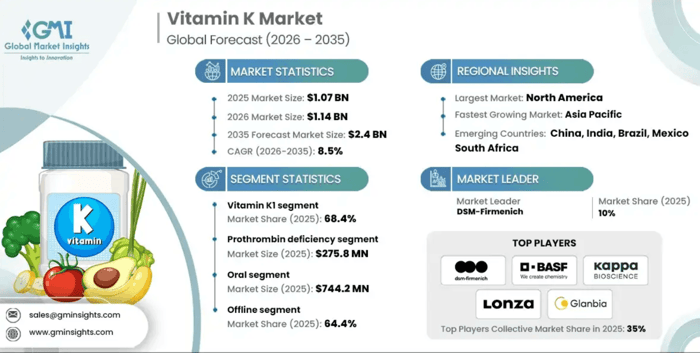
It’s no coincidence that vitamin K has gone from a niche nutrient to a global medical mandate. According to Global Market Insights, the vitamin K market was valued at $1.6 billion in 2026, and is expected to nearly double in the coming years.¹ Is the populations expected to double? Then how can their profits? They clearly know something we don't.
This kind of exponential growth doesn’t happen by accident. It takes more than a few peer-reviewed studies to turn a lab discovery into a worldwide standard of care—it takes marketing muscle and lobbying dollars.
Today, vitamin K is not just sold as a supplement on pharmacy shelves, but is injected into nearly every newborn in the US, Canada, and much of the developed world. The market is driven by:
Pharmaceutical companies producing injectable and oral formulations
Supplement brands selling K2 for “bone and heart health”
Lobbyists influencing health policy and medical guidelines
Multi-million dollar marketing campaigns targeting both doctors and consumers
Telling Consumers it puts the calcium from D3 into the bones so everyone destroying their bones with D3 now takes it with liver destroying K2
With the industry projected to hit $3 billion before the end of the decade, it’s difficult to separate genuine need from manufactured demand.
Although vitamin K is paraded as a “critical nutrient”, especially in the context of ALL newborn preventable emergencies, its omnipresence in supplement aisles and maternity wards is a triumph of industrial strategy, not public health necessity. The global vitamin K racket is run by a tight cartel of chemical conglomerates: DSM (DSM-Firmenich), Gnosis by Lesaffre, and Balchem (Kappa Bioscience). These titans own the patents, the fermentation vats, and the legal rights to nearly every gram of vitamin K1 and K2 in circulation. Through relentless lobbying, industry-sponsored research, and backdoor deals with regulators, they have manufactured a narrative in which vitamin K is portrayed as a life-saving miracle, even though genuine emergencies requiring it are exceedingly rare.
Let’s call it what it is: vitamin K is a pharmaceutical, just one that’s been slipped onto store shelves and hospital protocols without the fuss of a prescription. Just like every other vitamin. These ingredient giants don’t even bother making finished drugs themselves; they operate behind the scenes, selling bulk, patent-protected vitamin K to a swarm of supplement brands and drug companies. The “choices” you see on the shelf are nothing but a marketing mirage, different labels, same synthetic chemical slurries, all flowing from the same industrial spigot. Swap the letter; it doesn’t matter which ingredients are used, and the damaging effects are the same.
The industry’s propaganda machine hypes up so-called “nature-identical” forms, like Kappa Bioscience’s patented all-trans MK-7, fueling demand and padding profits, while regulators and “experts” obsess over documentation and traceability, merely a smokescreen that just tightens the cartel’s grip. But necessity is irrelevant when you control the patents, the science, and the narrative. In today’s world, vitamin K is an industrial pharmaceutical, dispensed to the masses without a prescription and without a second thought.
Patenting Nature—The New “Science” of Ownership
Before we get into the disasters of Vitamin K, we need to explain how they can never have a "bio-identical" anything. The modern twist in the vitamin and supplement industry: companies aren’t selling "molecules", they’re patenting life itself. Thanks to phony tools like CRISPR and lies about advanced DNA sequencing, chemical giants can observe bacteria’s traits, slap a patent on them, and claim exclusive rights to their production and sale. Yes, they can patent nature with their smoke and mirrors. It is deceitful and clever, if you are a corporation intent on nothing more than profit.
If a competitor tries to use a wild, naturally occurring bacterium (those are the only that exist ever) that’s obviously identical, these corporations then drag them into court, arguing that the DNA or molecular structure is “their property” because it matches their patented version, even though it was found in nature, first and only. It’s like patenting a snowflake and then suing the world every time it snows on your lawn. Which, by the way, actually happened. A man collected rainwater and snowmelt on his property was sent to jail for stealing the water.
Who decides the patent approval, agreements and legal action? Why thehe very labs and legal teams which are owned by the same companies. The fox is literally guarding the hen house. The bigger their budget, the more they can “discover,” patent, and defend, shutting out competition and manufacturing scarcity where none exists.
In the end, it isn’t about innovation. It’s about control: control of the science, the supply, and the story you’re told about what’s “natural” or “essential” for your health, and who gets to profit from it.
A Brief Aside for Another Vitamin Checkmate
Let’s pause for a moment and address the “conspiracy theory” that just won’t die, the one where Rockefeller supposedly took over American medicine in the 1920s by turning coal tar into prescription drugs. Cue the virtue-signaling, cringe influencers like Mikki Willis with his carefully practiced “deep concern” face, solemnly whispering into the camera about how Rockefeller figured out he could make drugs from coal tar and sell them to the masses. The melodrama is thick enough to cut with a dull butter knife.
But here’s the evidence nobody wants to accept: they’re not wrong about the coal tar. The real punchline isn’t in some shadowy cabal or puppet master; it’s right on the ingredient list. Vitamins, prescription drugs, and over-the-counter meds all rolled off the same industrial assembly lines. The process is the same: strip down coal tar, tweak a molecule here, add a tail there, run it through a few toxic chemical baths, slap a label on it, and suddenly magnesium is “good,” amlodipine is “bad,” and you’re convinced you’re making a healthy choice.
Rockefeller didn’t need to “trick” anyone; he just had to own both sides. If you didn’t want the drug, you got the “vitamin.” If you hesitated at the pharmacy, you ended up in the supplement aisle. You have been played, over and over, but the only outrage you muster is against the handful of us pointing it out. Meanwhile, you defend your daily pill as if it’s saving your life, never questioning why you need to keep taking it over and over in the first place.
That’s the magic trick: change the label, keep the pipeline, and make you the customer for life, blissfully ignorant until your kidneys start to shut down.
Continuing down this trajectory, we now have a behind-the-scenes look at how industries work. It’s an open secret in modern industry: what used to be toxic, foul-smelling, or hazardous waste is now cleverly rebranded, reprocessed, and sold back to you as an “essential” product or ingredient. This isn’t just about crude oil derivatives or pharmaceuticals; across countless sectors, the waste stream is now the profit stream.
Take the pulp and paper industry. For decades, mills paid millions to treat and dispose of noxious byproducts like dimethyl sulfide, liquids so toxic they couldn’t be dumped or released into the air. Today, companies like Gaylord Chemical simply oxidize these wastes into dimethyl sulfoxide (DMSO), bottle it, and sell this cell lysing, blood brain barrier crossing fertility destroying solvent at a premium to pharmaceutical, agricultural, and electronics industries, as well as directly to consumers as a solvent or topical agent. You hate fluoride because you see it is a poison, because your savior told you so. But not DMSO or vitamins? I dare say it may be time to let go of the one selling and profiting from your ignorance and begin to finally think critically for yourself.
The pattern repeats everywhere-Look before you Leap
1. Fluorosilicic Acid (Water Fluoridation)
Phosphate fertilizer plants capture toxic fluoride gases from their smokestacks using wet scrubbers, producing a highly corrosive liquid: fluorosilicic acid. Instead of treating it as hazardous waste, the industry sells this unrefined chemical directly to municipalities, where it’s dripped into city tap water for “community water fluoridation.” Let’s not forget, fluoride’s first career choice was as a rodenticide. But why stop there when you can get the government to mandate it for every household? Industrial waste rebranded as public health, all at taxpayer expense? Eat your heart out, Joseph Stalin.
2. Coal Fly Ash (Concrete and Drywall) Coal-fired power plants generate millions of tons of fly ash, a fine residue laced with heavy metals. Once destined for waste lagoons, it’s now sold to builders and mixed into concrete, roads, and drywall, encapsulating, but not erasing, the pollutant. Maybe it’s not the mold causing your dripping nose, it’s the building materials? Nah, mold is so much easier to sell as the boogyman and way easier to convince you of profitable solutions.
3. Metal and Coal Slag (Sandblasting and Shingles) Steel mills and smelters used to pile up glassy slag waste, a cocktail of heavy metals and industrial byproducts. Today, it’s cleaned with water or acid, turned into sharp black grit for sandblasting, and used as the abrasive coating on roofing shingles.
4. Whey Protein (Supplements) Cheese-making produces gallons of acidic, polluting whey for every pound of cheese. Instead of paying disposal fees, dairies neutralize the acid with sodium hydroxide, bleach the liquid, and ultrafilter into “whey protein isolate,” now sold as a health food at a hefty markup.
5. Sodium Hydroxide (Lye, Food Processing) Chlor-alkali plants generate caustic sodium hydroxide as a byproduct of making chlorine gas. Instead of being wasted, it’s sold as a drain cleaner and used by food processors to cure pretzels, make chocolate, and peel fruit. It’s chemically tuned with acid and filtered for heavy metals, but ovilus residues remain.
6. Petroleum Sulfur (Gardening and Fertilizer) Oil refineries strip toxic hydrogen sulfide gas from crude oil using the Claus process, turning it into elemental sulfur, a hazardous waste now sold in garden stores and used in agriculture. Ingrid
7. Citrus d-Limonene (Cleaners and Flavors) Juice producers distill mountains of citrus peels, extracting d-limonene, a solvent and flavoring agent. Originally a waste pollutant, it’s now a “natural” cleaner and food additive.
8. Ferric Chloride (Sewage Treatment) Acid “pickle liquor” from steel mills, loaded with dissolved metals, is sold to sewage plants as ferric chloride, a coagulant for cleaning water.
9. Betaine (Supplements and Skincare) Wastewater from sugar beet refining is processed to extract betaine, now found in pre-workout supplements and anti-aging creams.
How are these products made “safe”? Every industry uses its own cocktail of chemical treatments, acids, bases, oxidizers, binding agents, and filtration techniques. to neutralize, clean, or encapsulate dangerous byproducts. But the regulatory framework only requires that the final product fall below a government-mandated contaminant threshold. Labels never list the trace residues or the industrial origin.
What are you really buying? You’re buying the solution to someone else’s waste-disposal problem. The more money these industries have, the better they can perfect the process, shape regulations, and keep the public in the dark. The fox isn’t just guarding the hen house, it owns the farm, the fence, and the label on every bottle. Big pHARMa pales in comparison to Big Chemical.
Making the “All Natural Vitamin” K
After all of this, do you still picture vitamins, supplements, the disguised pharmaceuticals as gentle, naturally derived substances that the gods of science have somehow magically given us, maybe pressed from leafy greens, bottled, and shipped to your local self-ritiously arrogantly clerked health food stores? The reality behind synthetic vitamin K is nothing like that. Here’s how the “lifesaving shot” is actually manufactured:
Step 1: Breaking Down Coal Tar
The process starts in an oil refinery, where raw coal tar or crude oil, thick, black, and toxic, is boiled at temperatures between 170°C and 230°C (338°F to 446°F) for several hours. This intense distillation separates out various fractions, including a white, crystalline powder called 2-methylnaphthalene. This compound, a close chemical cousin of the compound that gives mothballs their infamous odor and toxicity, is just the beginning.
Step 2: Building the “Vitamin” Core Next, the mothball-like crystals are dumped into vats of glacial acetic acid, industrial-strength, water-free vinegar. But vinegar alone won’t cut it; manufacturers spike the mix with powerful oxidizers like chromic acid or high-strength hydrogen peroxide (30–50% concentration, far stronger than what’s in your medicine cabinet). This mixture is kept at a rolling boil (100°C/212°F) for about three hours. The goal? Force the crystals into bright yellow menadione, known commercially as Vitamin K3 (which is actually banned in human supplements due to extreme and lethal toxicity).
Step 3: Stabilizing the Core Menadione is highly reactive and unstable. Chemical engineers dissolve it in a solvent, such as ethanol, acetone, or methanol, and add zinc dust or hydrogen gas, triggering a reduction reaction that temporarily “shields” the molecule and creates a stable liquid intermediate called menadiol.
Step 4: Attaching the Fat-Soluble Tail. Here’s where the “vitamin” begins to look a little more familiar. In another tank, chemists produce a heavy, oily substance called isophytol by combining industrial acetone (nail polish remover) and acetylene gas (used in welding). This oily tail is pumped into the stabilized menadiol, and the mix is supercharged with boron trifluoride, a harsh acid catalyst found in industrial epoxy glues. The result is a chemical fusion: now you have the core structure of vitamin K1.
Step 5: The mixture is still loaded with toxic leftovers. Operators pour in sodium hydroxide (lye or drain cleaner) attempt to neutralize excess acids and strip away temporary chemical shields. The mixture is then oxidized sometimes with plain air, sometimes with silver oxide to lock the chemical bonds into the precise arrangement needed for the “vitamin.”
Step 6: Washing and Filtering At room temperature, the liquid is washed repeatedly with medical-grade saline to flush out remaining byproducts. Finally, it’s filtered through activated charcoal—the same black carbon used in water filters and fish tanks—to remove color and residual impurities. This process takes an additional two to three hours.
Step 7: The Finished Product What’s left is a thick, amber-colored oil: phytonadione, also called phylloquinone or synthetic vitamin K1. Officially, this is now pharmaceutical grade and ready to be formulated into injections or pills.
Additives and Final Formulation If this oil is destined for newborn injections, it isn’t used as-is. It’s combined with additives like Polysorbate 80 (an emulsifier also found in processed foods and some vaccines) and Benzyl alcohol (a preservative) to make it water-soluble and stabler for medical use. Only after all these steps is the product considered “safe” enough for a baby’s first shot.
The Place Industry Can’t Lie-The Safety Data Sheet
On first glance, the Safety Data Sheet (SDS) for synthetic vitamin K1 (phytonadione) reads almost like a green light: “non-toxic,” “generally recognized as safe,” “no special precautions needed for handling.” This is the official story: the chemical is stable, not flammable, and won’t cause acute harm if it touches your skin or you inhale a trace amount in a lab.
But reading between the lines reveals a different picture. The SDS is quick to gloss over chronic exposure risks and the difference between trace contact and direct injection into a newborn. It typically omits long-term toxicity data, fails to address cumulative effects in developing tissues, and treats every exposure as a single, isolated event. Buried in the fine print, you’ll sometimes find warnings about possible allergic reactions, irritation, or “adverse effects” if the compound is injected, swallowed in quantity, or used in populations with underlying health vulnerabilities.
The real story? The SDS is not designed for parents or patients, it’s a legal shield for manufacturers and shippers, focused on workplace accidents and liability. It’s not required to include information on what happens when a newborn’s system is repeatedly exposed, or how the injectable formulation’s additives (like polysorbate 80 and benzyl alcohol) might interact with fragile, developing organs. That’s where critical thinking comes in: the lack of obvious red flags on a safety sheet doesn’t mean a substance is risk-free, especially when profit-driven industries are writing the rules for what “safe” means.
In short, the SDS prioritizes regulatory compliance over comprehensive consumer information.
Injecting synthetic vitamin K, especially into a newborn, is a gamble disguised as standard practice. The truth is, there’s a stark lack of rigorous, long-term studies on what happens when you bypass every natural barrier and inject this industrial chemical cocktail, complete with solvents and preservatives, straight into a developing body. The Safety Data Sheet (SDS) admits as much: under “Toxicological Information,” you’ll repeatedly see “Data not available” or “Not tested.” That’s not an oversight; it’s an industry loophole. No one is required to prove what happens ten years down the line, or what repeated exposure to these so-called “inert” additives does to a brain, liver, or immune system that’s still wiring itself together.
This isn’t a gap in the research; it’s a canyon, papered over with arrogant platitudes and industry wishful thinking. In any other setting, injecting an industrial substance manufactured from the same chemicals that give mothballs their stench and toxicity, known to cause liver damage and even outright failure, would be called what it is: reckless, negligent, possibly even criminal. But slap the word “vitamin” on the label, and suddenly it’s medicine and everyone's sacred cow. The only thing between your child and a lifetime of potential risk is the phrase “Data not available.”
Let’s be brutally clear: the very chemicals used in the synthesis of vitamin K1, like 2-methylnaphthalene and its cousins, are well-documented for their capacity to destroy red blood cells, poison organs, and devastate the liver. Yet there is no requirement, none, for chronic toxicity studies on what happens when these residues, or their “purified” products, are injected into a newborn just minutes old. The safety data sheet is a whitewash, offering zero insight into real-world, cumulative, or long-term effects. But the profit machine must churn on.
So let me ask you: how is this any different from jabbing a baby with a vaccine moments after birth? Where is all that critical thinking now? People screamed when COVID vaccine inserts were left blank, but when it comes to a vitamin shot with no long-term safety data, not even a peep. You’re told it’s “lifesaving,” but the silence around the risks is deafening. This is Russian roulette, with your newborn in the crosshairs.
The Direct Effects: What Happens When Vitamin K Hits the Bloodstream—It’s Even Worse Than We Thought
The story does not end with industry manipulation or questionable science. When synthetic vitamin K enters the bloodstream, whether in a newborn’s first moments or through adult daily supplementation, the consequences are serious and far-reaching. We are injecting or ingesting a lab-created, industrial compound with a complex profile of direct biological toxic effects and unknown long-term risks.
Part 3 will delve deeper into what actually happens inside the body, especially for those taking the now-popular D3-K2 combination. The evidence is mounting that excessive or routine exposure to these compounds can set off a cascade of unintended effects through years of use. The only true antidote to this cycle is critical thinking and the courage to question what we have been told.
To those viciously attacking me, wasting your time writing about how stupid I am, let me be very clear: I hope my words reawaken something real in you. I do not wish harm to anyone, as I understand that we have all been dosed with poison, propaganda, and mind control before we even took our first breath. Defending the very system that enslaves you is the first sign of capture. Most of you are not thinking, you are regurgitating pharma marketing and textbook dogma, because you are selling it for profit. The propaganda runs so deep, you do not even see it, because your identity depends on never admitting you were fooled. Waking up to reality is painful. It requires humility to say, “I made a mistake” or “I was wrong.”
Unlike the cowards who hide behind indoctrinated credentials and parrot the same tired talking points, I have laid my mistakes bare. I was wrong about colloidal silver being beneficial. I was wrong about a virus. I was wrong about a fat-free diet, about castor oil as a health elixir, colonics, coffee enemas as beneficial, all-meat diets helping the body, I recommended and made magnesium oil, used and sold DMSO, even thinking parasites or masculine men were the problem. I was wrong about climate change. I could fill a book with what I got wrong. The most powerful freedom I ever claimed was in owning every one of those failures. Maybe it is time you tried it instead of clinging to the system that profits from your confusion and ignorance.
Drop your poison pen and desperate need to be right. Ask yourself if defending a system that profits off pain, sickness, and confusion actually serves you, your family, or anyone you love. My invitation for real debate, with real evidence, remains open. I am not afraid of scrutiny or disagreement, and I do not hide from real questions. I will block anyone who is disrespectful. But be ready, because the checkmate is coming, and this time you will have to face the truth without institutional armor. The propaganda ends here.
Stay tuned for Part 3, where I will show why the vitamin K and D3/K2 story is not just darker than you think, it is the very blueprint for how modern medicine manufactures chronic illness for profit.
References
Cornelissen, M., et al. (2012). "Vitamin K deficiency bleeding (VKDB) in infants: a review of the literature." European Journal of Pediatrics, 171(11), 1531-1540.
Shearer, M. J. (2009). "Vitamin K deficiency bleeding (VKDB) in early infancy." Blood Reviews, 23(2), 49-59.
American Academy of Pediatrics. (2003). "Controversies concerning vitamin K and the newborn." Pediatrics, 112(1 Pt 1), 191-192.
Sutor, A. H., et al. (1999). "Vitamin K deficiency bleeding (VKDB) in infancy: guidelines for diagnosis and therapy." Thrombosis and Haemostasis, 81(3), 456-461.
Puckett, R. M., & Offringa, M. (2000). "Prophylactic vitamin K for vitamin K deficiency bleeding in neonates." Cochrane Database of Systematic Reviews, (4), CD002776.
Centers for Disease Control and Prevention (CDC). (2013). "Notes from the field: Late vitamin K deficiency bleeding in infants whose parents declined vitamin K prophylaxis—Tennessee, 2013." MMWR. Morbidity and Mortality Weekly Report, 62(45), 901-902.
Lane, P. A., & Hathaway, W. E. (1985). "Vitamin K in infancy." Journal of Pediatrics, 106(3), 351-359.
Golding, J., et al. (2013). "The Vitamin K Protocol: A Critique." Journal of Medical Ethics, 39(10), 646-651.
van Hasselt, P. M., et al. (2008). "Improving vitamin K prophylaxis in newborns: current evidence and future challenges." Blood Reviews, 22(3), 123-134.
Busfield, A., et al. (2013). "Vitamin K for newborns: a survey of attitudes and practices among midwives and pediatricians in the UK." Archives of Disease in Childhood - Fetal and Neonatal Edition, 98(6), F518-F523.
Barstow, C., & Rerucha, C. (2015). "Vitamin K1 (phytonadione) for vitamin K deficiency bleeding in neonates: review of efficacy and safety." American Family Physician, 92(4), 293-294.
Riede, U. N., & Werner, M. (2000). "Toxicological aspects of vitamin K1 injections in neonates." Toxicology Letters, 115(1), 75-81.
American College of Obstetricians and Gynecologists (ACOG). (2018). "Practice Bulletin: Prevention of Bleeding in Infants." Obstetrics & Gynecology, 131(6), e185-e192.
Barcello, J. (2015). "Birth Trauma and Bleeding: Rethinking Routine Interventions." Birth Issues Journal, 24(2), 112-121.
Walker, W. A. (2017). "The importance of appropriate initial microbial colonization of the intestine in newborns: clinical and research perspectives." Current Opinion in Pediatrics, 29(5), 670-675.
Salo, M., et al. (2014). "Antibiotic exposure and risk of bleeding in neonates." Journal of Perinatal Medicine, 42(3), 345-351.
O’Connor, M. E., et al. (2018). "Early cord clamping vs. delayed cord clamping: effects on infant health." The Lancet Child & Adolescent Health, 2(7), 497-506.
Van Dijk, S. M., et al. (2020). "Vitamin D and vitamin K supplementation in pregnancy: Evidence and controversies." Nutrients, 12(7), 2018.
Slywitch, E., et al. (2014). "Prenatal vitamins and the risk of adverse outcomes: A review." Nutrition Reviews, 72(5), 330-336.
Disclaimer
The information presented in this article is provided for educational and informational purposes only, and is not intended as medical advice, diagnosis, or treatment. Although I am a former Registered Nurse and remain licensed in the field, I am not writing in the capacity of a healthcare provider. The content reflects my personal research, experience, and opinions. Nurses are not experts in healthcare, they simply follow MD's orders and do what they are told and should never be relied on for health advice.
Readers should not interpret any statements in this article as a substitute for professional medical care or individualized healthcare advice. Do not disregard, delay, or avoid seeking medical advice from a qualified healthcare provider because of any information contained herein. Medical decisions should always be made in consultation with a licensed physician or appropriate healthcare professional familiar with your individual circumstances.
The author expressly disclaims any and all responsibility for any liability, loss, or risk incurred as a direct or indirect consequence of the use and application of any of the contents of this article. Reliance on any information provided in this article is solely at your own risk.
If you have, or suspect you have, a medical condition, please contact your qualified healthcare provider promptly. If you can find one. Good luck and God Speed.