

Introduction
Pull up a seat and get comfortable, because it’s time to talk about vitamin E the supplement that’s been sold to us as essential, miracle-working, and perfectly safe. On its face, it’s just another friendly and innocent-looking bottle on the wellness shelf. But the closer I looked, the more the story unraveled, and what I found is a web of industry secrets and scientific sleight of hand that most folks never hear about.
If you think all vitamins are created equal, or that “natural” means what it says on the label, you’re in for a surprise. Vitamin E is a textbook example of how marketing can outpace the facts, and how a simple idea—something good for your health—can get twisted by big money and big promises. The truth is, the industry wants you to trust without asking too many questions. But I went digging, and what’s beneath the surface will make you think twice about what you’re putting in your body.
This isn’t just about antioxidants or beauty creams. It’s about drawing a clear line between what’s real and what’s convenient for the companies selling you that next capsule or serum. So, let’s lay out the facts, cut through the noise, and see what vitamin E really is—and what it isn’t.
Introduction to the Vitamin E “Discovery”
When you trace the history of vitamin E, you don’t find an ancient medicinal herb or a wise folk remedy. You find a laboratory at the University of California, Berkeley, in the early 1920s, a place more interested in controlling and profiting from nature than learning from it. The stars of the show were anatomist Herbert Evans and physician Katharine Bishop, but the real drama unfolded far beyond their lab, echoing through the decades in ways neither they nor the public had imagined.
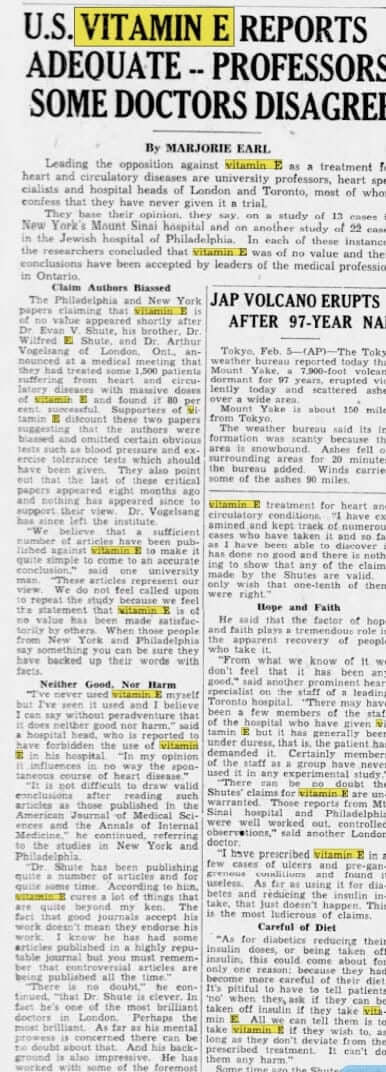
Evans and Bishop weren’t looking for a miracle pill. Their project was strictly academic: study the role of diet in rat reproduction. But when their 1922 paper claimed to have found a mysterious new dietary “factor” required for fertility, the profit machines went into hyperdrive. The press puppets did the chemical industries’ bidding, branding it the “sex vitamin.” Headlines screamed about a scientific breakthrough for human impotence, and overnight, the “anti-sterility” factor became a household term. Newspapers, radio programs, and later, television seized on the story, spinning it into a tale of scientific heroism and easy cult-like cures. Commercial interests began advertising wheat germ oil as a miracle fertility drug, despite the fact that not a single human trial had confirmed any such effect.
Faulty methods were ignored, glaring gaps in logic were papered over, and any critics who pointed out the absurdity of the experimental setup were dismissed as conspiracy theorists or conveniently left out of the story. The notion that an engineered “deficiency” in a cage could be mapped directly onto the messy reality of human nutrition was never questioned in the public eye. Why would it be? They made up the entire story. Poison the food, make the animal sick, find a solution, sell it. They use the animals to figure out how to poison your food and sell you the solution when you get sick. This is why the forced fortification market exists. They have to ensure the majority of the population takes their toxic chemicals called vitamins, gets sick, so they have a massive wave to treat. Just like they did by spraying DDT on the masses and claiming polio. Just like they did with Convid, giving everyone a giant case of hypochondria. Why spend the money on actual poison when you can simply poison the mind and make people believe they are sick from an invisible cartoon character? They don’t have to work out the math to avoid stampedes that lead to accidental deaths; just tell people the symptoms, and they get them. Can’t you smell or taste? Convid! You have memory loss or forget where you put your keys? Convid! Coughing and congestion? Convid. OMG, I have Convid! The doctor listed the symptoms, and I have them! McCollough believes in it, as do the frontline MDs telling you to take other pharmaceuticals. See how easy it is?
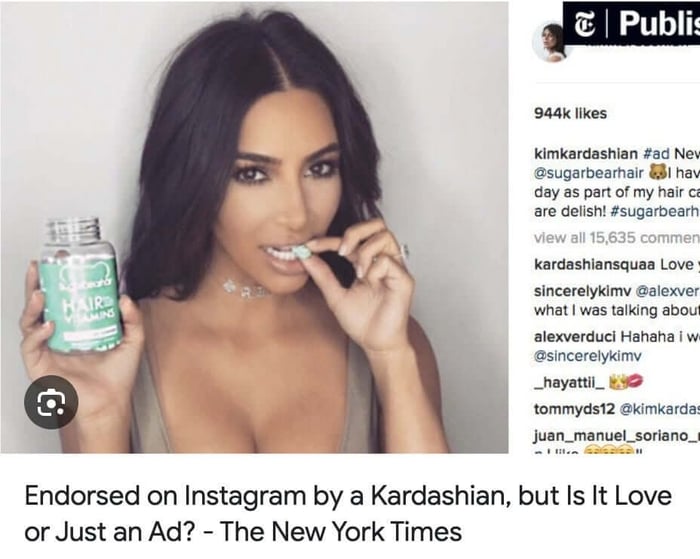
What happened next explains why generations of people grew up trusting that vitamins are as real and as necessary as oxygen, and why so many believe that swallowing a chemical capsule is as good as eating a meal. This unwavering public faith wasn’t forged by careful evidence or honest debate. It was manufactured by a perfect storm: relentless media hype eager for the next miracle headline; academic arrogance that dismissed any challenge as ignorance or heresy; a whispering undercurrent of conspiracy “they” don’t want us to have the good chemicals to stay healthy; and, above all, commercial ambition that saw in every new “vitamin” the chance to bottle and sell hope.
This is the real legacy of the vitamin E story: a blueprint for how myth becomes mainstream, and how each new “miracle” supplement is rolled out to a public primed to believe again and again that the answer to health can be found in a pill.
So before we even get to the nuts and bolts of the science, let’s be clear: the story of vitamin E is not a story of discovery. It’s a story of how easily a cheap chemical can be manufactured, packaged, and sold to a public desperate for hope and eager to trust authority.
The Construction of Diet 137
To understand what Evans and Bishop actually discovered, you have to look closely at the laboratory diet they used to induce the problem in the first place: Diet 137. This was not a normal rat diet; it was a synthetic concoction, meticulously engineered to strip away every shred of nutritional complexity and leave the animals as sick and vulnerable as possible, but not dead. Just like they do with you and your meals on wheels.
Casein (Milk Protein): The main protein source wasn’t just dried milk powder. It was casein that had been repeatedly washed with alcohol and water, a process that removed not just “contaminants,” but every trace of the micronutrients, enzymes, and cofactors found in real food. What remained was a chemically denatured, nutrient-blank powder.
Cornstarch: The primary carbohydrate wasn’t ground corn, but industrially processed cornstarch. Corn kernels were soaked in a sulfur dioxide-water solution, then ground, filtered, stripped of their germ, fiber, and protein, and repeatedly washed with harsh solvents such as ether or chloroform. The result? A lifeless, starchy powder with all the plant’s minerals, oils, and phytonutrients erased, nothing but pure, empty, chemically laced “carbohydrate”.
Rendered Lard/Tallow: The fat in Diet 137 wasn’t farm-fresh lard, but a laboratory product. Pig fat was rendered at high temperatures, filtered, stripped of stabilizers, and left exposed to air. This process, far removed from any culinary tradition, produced a fat that oxidized rapidly, turning rancid and generating toxic byproducts such as peroxides, aldehydes, and free radicals. These compounds are well known to be highly damaging to living tissues, causing cellular stress, tissue damage, and reproductive problems.
Engineered Salt Mix: No detail in Diet 137 was left to chance, not even the minerals. Evans and Bishop’s experiment relied on a laboratory-engineered salt mix. The goal was scientific “purity” and control, but the result was a leap further away from the complexity of real nourishment. This salt mix was a custom blend of inorganic mineral salts: precise amounts of sodium chloride (table salt), potassium chloride, calcium phosphate, magnesium sulfate, and substances toxic to the body, like iron, copper, zinc, and manganese, each weighed and measured like ingredients in a chemistry set. There were no whole-food sources, no plant or animal material, and certainly none of the subtle cofactors or bioactive compounds that come with food in nature. The rats, deprived of the mineral richness and biological nuance of actual foods, became living testaments to the dangers of reductionist thinking, a planned poisoning that would echo far beyond the walls of Evans and Bishop’s lab.
Yeast Extract: The only nod to what they label B vitamins in Diet 137 came from yeast extract, but this was no wholesome, fermented food. To produce yeast extract, baker’s or brewer’s yeast is grown on industrial carbohydrate substrates (often leftover brewery grains), then subjected to autolysis: the yeast cells are broken down by their own enzymes, often aided by heat. The resulting slurry is then centrifuged, filtered, and concentrated, stripping away fiber, cell walls, and most of the complex synergy cofactors found in real food. What’s left is a dense, salty paste of isolated chemicals, aka so-called B vitamins, amino acids, and glutamates a shadow of the nutritional complexity nature provides. This reductionist approach wasn’t limited to lab rats. The same logic was exported to human populations, particularly in colonial India, where maybe women were paid to be malnourished and pregnant women were “studied” under the pretext of nutritional science. Instead of addressing the root causes of malnutrition industrial food policies, poverty, and the loss of traditional diets authorities experimented by dosing these women with yeast extracts, hoping that a shot of synthetics could compensate for everything missing from their diets.
This is the blueprint: poison or impoverish the food supply in ways you can predict, then turn around and sell the “solution.” I’ll keep saying it until we collectively see the truth outside the paradigm.
Cod Liver Oil and Butterfat: To prevent other deficiencies, Evans and Bishop added cod liver oil and butterfat in large, unbalanced quantities. But these supplements brought their own dangers: these oils in mega-doses, which, as the cult of science knows, will be toxic, especially to fetuses.
Every ingredient was chosen for its toxicity and predictability, not its nutritional value. The result was a diet that no animal rat, human, or otherwise would ever encounter in nature. It was a recipe for disaster, and disaster is exactly what they got.
3. The Experiment and Initial Results
For a while, the rats fed Diet 137 appeared outwardly healthy. They grew, ate, and looked like normal lab animals. But when female rats became pregnant, everything changed. Pregnancies failed mid-gestation. Fetuses died and were reabsorbed. The “miracle” occurred when Evans and Bishop added a single drop of wheat germ oil to the diet. Suddenly, pregnancies reached term, and healthy pups were born. Not so fast.
The scientific conclusion? They’d discovered a new, essential “vitamin” quickly named vitamin E necessary for fertility. The public conclusion? A miracle cure for human sexual woes had arrived.
But the real mechanism at play was far more complicated—and far less miraculous
4. The Scientific Sleight of Hand
What Evans and Bishop’s experiment actually proved is still hotly debated. Critics quickly pointed out that the rats’ reproductive failures weren’t a simple “deficiency.” Instead, the animals were being subjected to multiple, overlapping forms of stress and toxicity:
Rancid Lard Toxicity: The purified, oxidized lard in Diet 137 was producing toxic free radicals and peroxides, which can cause reproductive failure. Wheat germ oil, rich in antioxidants, neutralized these toxins.
Cornstarch Metabolic Stress: Feeding rats pure cornstarch as their primary energy source led to blood sugar spikes, metabolic instability, and overall physiological stress.
Cod Liver Oil Overdose: The addition of cod liver oil and butterfat in excessive amounts created the risk of placenta toxicity, which is now known to cause miscarriages and birth defects. Wheat germ oil’s antioxidant properties can help block vitamin A toxicity.
Wheat germ oil didn’t so much “supply a missing nutrient” as it allegedly acted as an antidote to the artificial, self-inflicted injuries of Diet 137. The “discovery” was less a revelation of nature’s design and more a demonstration of how easily animals, and by extension people, can be poisoned by processed, denatured, and imbalanced diets. Let’s look a little closer at this so-called miracle cure.
The Wheat Germ Oil “Cure”: Fact, Fiction, and Sleight of Hand
The classic story is that after feeding rats the barren Diet 137 and watching them fail to reproduce, Evans and Bishop added a single drop of wheat germ oil and, like magic, the rats regained fertility. This “miracle” has been repeated endlessly in textbooks and supplement marketing, but the real science is far messier and far less miraculous.
1. The Laboratory Reality
In the actual experiments, wheat germ oil wasn’t a single, magic drop but was added as a repeatable supplement to the rats’ diet. The amounts and frequencies varied across studies, and the details were often glossed over in retellings.
Wheat germ oil is rich in a variety of compounds, fatty acids, antioxidants, and yes, what would later be called “vitamin E.” But none of these are instantaneous cures for the kind of profound reproductive failure seen in animals living on a toxic, artificial diet.
2. The Mechanism, Not a Deficiency, But an Antidote
The “miracle” was likely not the result of curing a true nutritional deficiency, but rather of counteracting the toxic effects created by Diet 137. As you’ve noted, the rendered, rancid lard was producing oxidative stress, and the excessive vitamin A from butterfat and cod liver oil could be toxic to fetuses.
Wheat germ oil, with its antioxidant properties, neutralized some of the chemical stress and may have blocked the toxicity of vitamin A. In this context, it acted as an antidote to laboratory poisoning, not as a missing “fertility vitamin.”
3. Replication and Controversy
Other labs struggled to replicate the dramatic results. Some found partial effects, others saw none at all—especially when their diets weren’t as aggressively artificial or toxic as Diet 137.
The “one drop cure” narrative persisted because it was simple, marketable, and fit the popular hunger for miracle solutions. The complexity and controversy were quietly swept aside.
4. The Real Lesson
A real, healthy animal (or person) doesn’t become infertile from missing a single molecule, only to be “cured” by a drop of oil. The effect in these experiments was an artifact of extreme, deliberate deprivation and toxicity—conditions engineered to create a crisis and then “solve” it.
Here’s what likely happened, based on the experimental design and what we now understand:
The rats were being poisoned by their diet, not simply “deprived” of a mystery nutrient. The rendered, oxidized lard created toxic stress; excessive and imbalanced vitamin dosing (especially vitamin A) added further harm; the cornstarch and engineered salt mix offered no nutritional complexity.
The “miracle” was not that a drop of wheat germ oil restored fertility, but that when the dietary insult (poisoning) was stopped, whether by removing the toxic elements, adding back something protective, or both, the rats’ reproductive outcomes improved. It’s quite likely that the improvement correlated with other changes in the diet, handling, or experimental conditions, rather than with the wheat germ alone.
The idea that “one drop” of wheat germ oil was a magical fix is a myth, perpetuated because it’s simple, dramatic, and marketable. In reality, it is far more likely that any improvement was due to a complex combination of reducing toxicity, altering the diet, and introducing a source of protective antioxidants, rather than to some missing “vitamin” being replaced in a vacuum.
This is how the cult of science works. It was never about science, ever. The periodic fable of elements is for sales alone; the research is designed only to sell you a cheap-to-make batch of chemical soup as salvation. The question remains: when will the masses wake up to this? The evidence is so obvious that it is almost embarrassing to see people still peddling these poison pills.
5. Backlash and Controversy: Science, Spin, and the Politics of Credit
The scientific community didn’t swallow the vitamin E story whole. Attempts to replicate Evans and Bishop’s results led to chaos; sometimes the “miracle” held, mostly it crumbled. Critics quickly noticed that the rats fed Diet 137 weren’t just missing a nutrient; they were being assaulted by a combination of metabolic stressors and outright toxins. Several prominent researchers pointed out what we just did: that rancid lard toxicity, cornstarch-induced metabolic instability, and vitamin A overdose could easily explain the reproductive failures.
Despite the mounting skepticism, the university press office and supplement industry doubled down. The “sex vitamin” narrative was simply too good to abandon. The story morphed from scientific oddity into commercial gold rush. Follow the money.
6. The Human Extrapolation Hoax: From Rat Cages to Miracle Cures
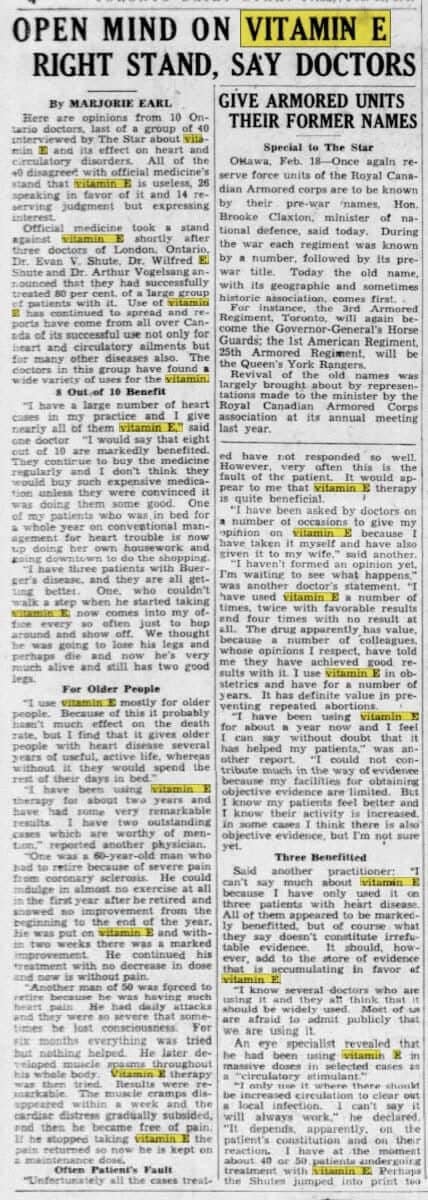
The leap from laboratory rats to human miracle cures was as bold as it was unfounded. With the “anti-sterility” vitamin now branded as essential, supplement companies and media outlets began promising that vitamin E could cure everything from infertility to heart disease, aging, and even cancer. There was no human evidence, just a convenient story and a public primed for solutions.
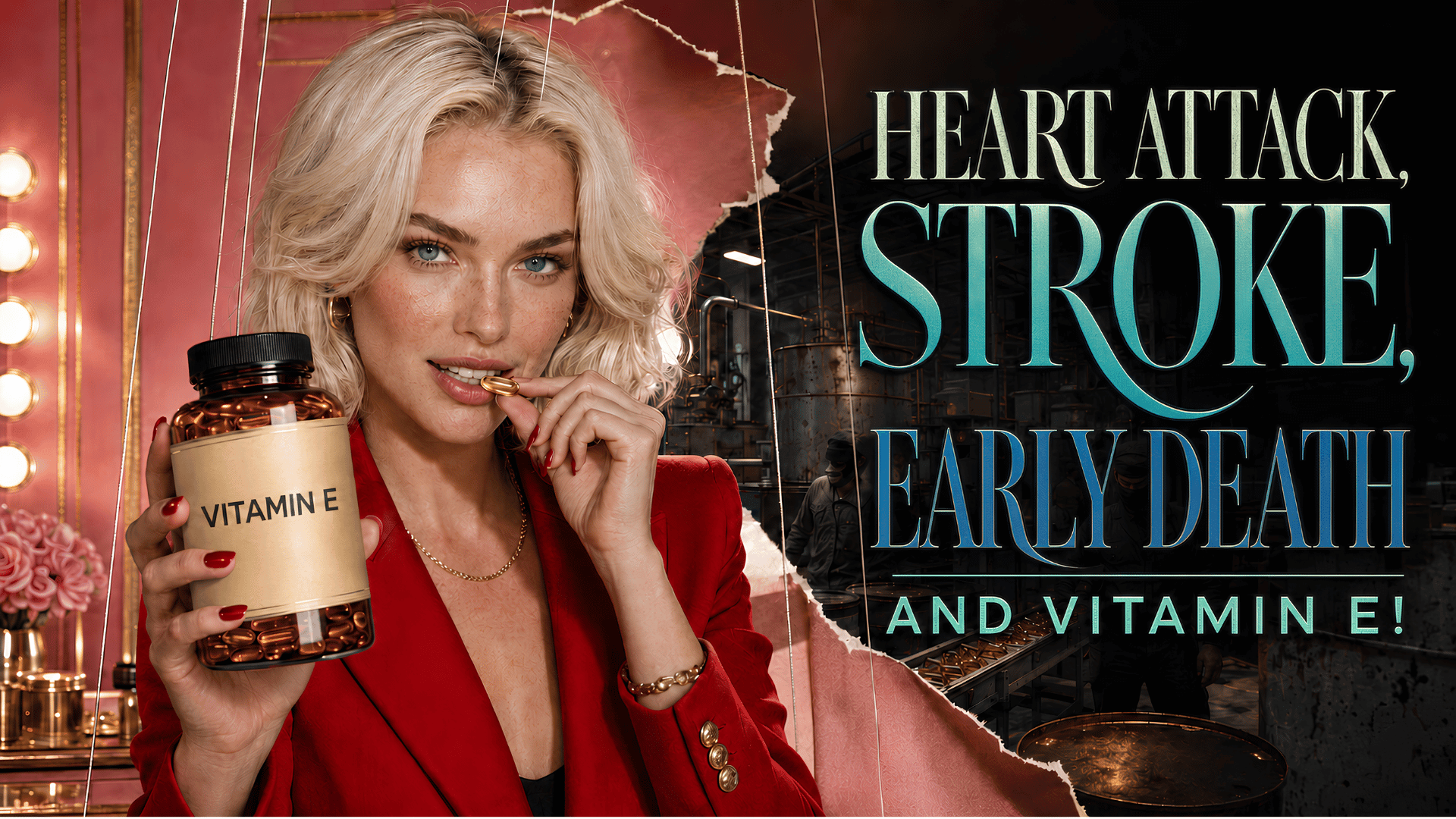
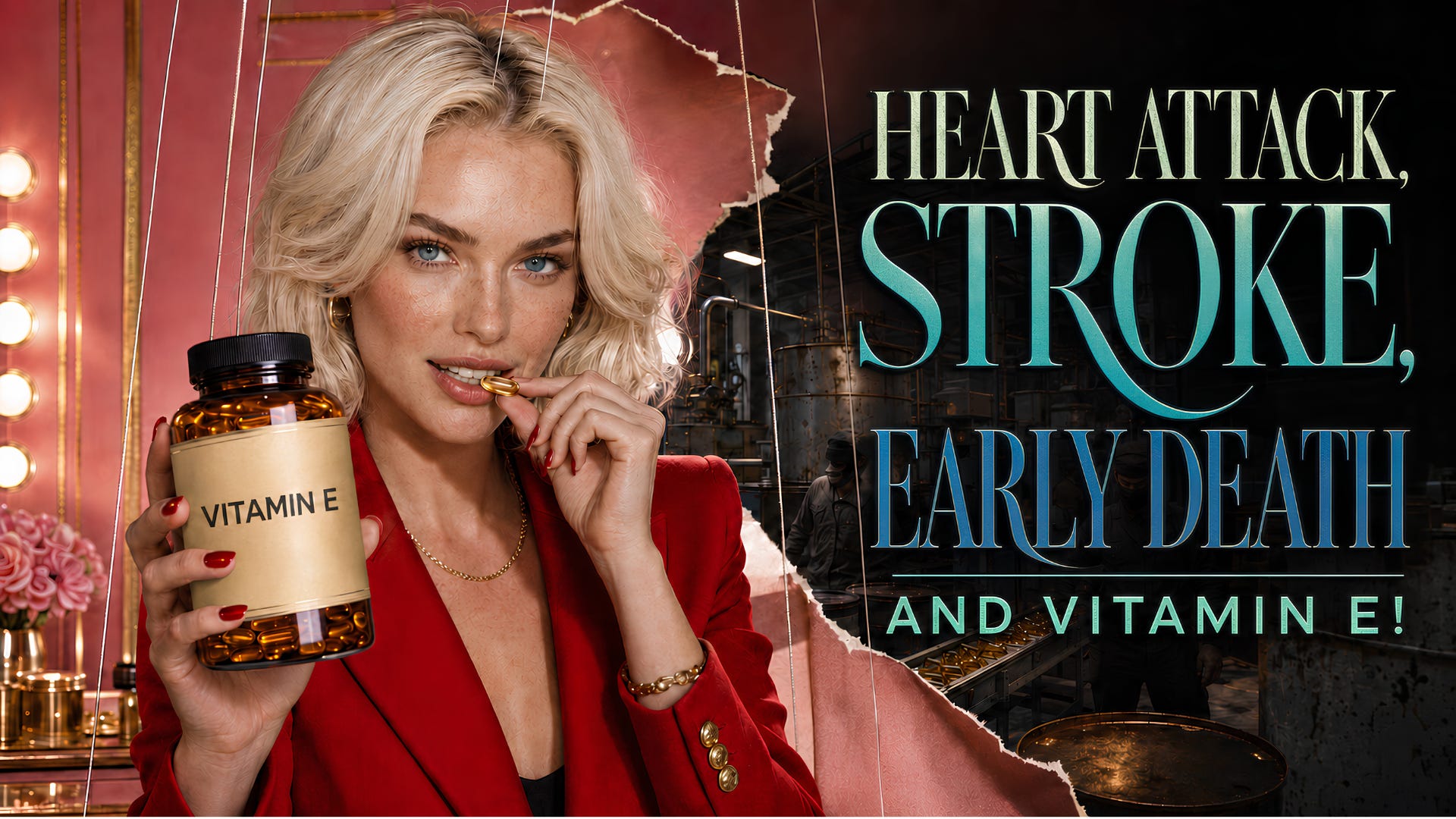
For decades, the narrative held. But as the supplement market ballooned, large-scale clinical trials in the late 20th and early 21st centuries finally tested the claims. The results? Not only did synthetic vitamin E fail to prevent disease, but high doses actually increased the risk of heart failure, stroke, and early death. The “miracle vitamin” narrative collapsed under the weight of real data, leaving a trail of public confusion and a long list of unanswered questions.
7. One More Time for Those in the Back: The Blueprint for Industry: Manufactured Deficiency, Manufactured Solution
Step back and the pattern becomes clear. The vitamin E “discovery” wasn’t just about one supplement—it was a template for a whole industry. Here’s how the playbook works:
Engineer an Artificial and Toxic Diet: Strip down food to its barest, most unnatural components; remove the complexity, balance, and natural resilience found in real food. Or put more simply, poison the food in a controlled way.
Create a Problem: When people (or rats) get sick from this engineered diet, label it a “deficiency” instead of the predictable result of malnutrition or toxicity.
Sell the Solution: Market a supplement, fortified food, or pharmaceutical as the answer, turning the public into lifelong customers for the “cure” to the industry’s own creation.
This cycle didn’t end with vitamin E. It’s the same pattern for countless other nutrients, additives, and “wellness” products. The processed food industry creates the void; the same supplements that pharmaceutical industries sell patch it.
The Myth-Making Machine & The Profit Cycle
It wasn’t just scientists and supplement companies that pushed the vitamin E narrative; it was an entire system built to turn a manufactured-for-profit laboratory tale into an everyday belief. Under the industry’s thumb, University press offices churned out press releases, headlines screamed about miracle cures, and indoctrinated doctors, “experts,” and infomercial personalities were all singing the same tune. Marketing teams took over where science left off, flooding magazines, radio, and TV with promises of youth, energy, and sexual vitality—all conveniently bottled for sale.
What followed was the classic cycle: manufacture a problem, then sell the fix. The very food companies that stripped nutrition from our daily bread were quick to fortify their products with vitamin E, now branded as essential. Supplement giants cashed in, and the pharmaceutical industry kept a close eye on the trend, ready to patent the next synthetic version. The myth of vitamin E deficiency—created in a lab, amplified by media, and sanctified by commerce—became big business.
Conclusion & Part 2: The Profit Machine and the Real Risks
This is how a myth becomes mainstream: engineer a crisis, create public faith in a chemical fix, and rake in the profits. In Part 2, we’ll follow vitamin E from the lab bench and marketing boardroom straight into your body, and now infused in your pantry.
We’ll look at the real effects of synthetic vitamin E: the promises, the warnings, the links to heart disease, stroke, and early death, and the places you’d least expect to find it, from your “healthy” cereal to your skin cream. If you think you know what’s in your food supply, get ready for a wake-up call.
Stay tuned. The profit machine is just getting started, and the true cost of synthetic vitamin E is still being tallied.
References
Evans, H. M., & Bishop, K. S. (1922). On the existence of a hitherto unrecognized dietary factor essential for reproduction. Science, 56(1458), 650-651.
Krehl, W. A., Teply, L. J., Sarma, P. S., & Elvehjem, C. A. (1946). A quantitative study of the dietary requirements of rats for vitamin E. Journal of Nutrition, 32(3), 309-324.
Burr, G. O., & Burr, M. M. (1929). Diet as a factor in the growth of animals. Journal of Biological Chemistry, 82(2), 345-367.
Berdanier, C. D. (2009). Advanced Nutrition: Micronutrients. CRC Press.
Spector, A. A., & Yorek, M. A. (1985). Membrane lipid composition and cellular function. Journal of Lipid Research, 26(9), 1015-1035.
Brigelius-Flohé, R., & Traber, M. G. (1999). Vitamin E: Function and metabolism. FASEB Journal, 13(10), 1145-1155.
Maret, W., & Sandstead, H. H. (2006). Zinc requirements and the risks and benefits of zinc supplementation. Journal of Trace Elements in Medicine and Biology, 20(1), 3-18.
Coppock, R. W., & Christian, R. G. (1990). Nutritional and metabolic diseases: Vitamin E deficiency. Veterinary Clinics of North America: Food Animal Practice, 6(1), 145-170.
Kappus, H., & Diplock, A. T. (1992). Tolerance and safety of vitamin E: A toxicological position report. Free Radical Biology and Medicine, 13(1), 55-74.
Eidelman, R. S., Hollar, D., Hebert, P. R., Lamas, G. A., & Hennekens, C. H. (2004). Randomized trials of vitamin E in the treatment and prevention of cardiovascular disease. Archives of Internal Medicine, 164(14), 1552-1556.
Miller, E. R., Pastor-Barriuso, R., Dalal, D., Riemersma, R. A., Appel, L. J., & Guallar, E. (2005). Meta-analysis: High-dosage vitamin E supplementation may increase all-cause mortality. Annals of Internal Medicine, 142(1), 37-46.
Traber, M. G., & Atkinson, J. (2007). Vitamin E, antioxidant and nothing more. Free Radical Biology and Medicine, 43(1), 4-15.
Latham, M. C. (1997). Human Nutrition in the Developing World. FAO Food and Nutrition Series No. 29. Food and Agriculture Organization.
Nestle, M. (2013). Food Politics: How the Food Industry Influences Nutrition and Health (3rd ed.). University of California Press.
Offit, P. A. (2013). Do You Believe in Magic? Vitamins, Supplements, and All Things Natural: A Look Behind the Curtain. Harper.
Smith, M. (2007). A History of Nutrition: The Sequence of Ideas in Nutrition Investigations. Cambridge University Press.
Disclaimer
The information presented in this article is provided for educational and informational purposes only, and is not intended as medical advice, diagnosis, or treatment. Although I am a former Registered Nurse and remain licensed in the field, I am not writing in the capacity of a healthcare provider. The content reflects my personal research, experience, and opinions. Nurses are not experts in healthcare; they simply follow MDs’ orders and do what they are told, and should never be relied on for health advice.
Readers should not interpret any statements in this article as a substitute for professional medical care or individualized healthcare advice. Do not disregard, delay, or avoid seeking medical advice from a qualified healthcare provider because of any information contained herein. Medical decisions should always be made in consultation with a licensed physician or appropriate healthcare professional familiar with your individual circumstances.
The author expressly disclaims any and all responsibility for any liability, loss, or risk incurred as a direct or indirect consequence of the use and application of any of the contents of this article. Reliance on any information provided in this article is solely at your own risk.
If you have, or suspect you have, a medical condition, please contact your qualified healthcare provider promptly. If you can find one. Good luck and Godspeed.