


Once an Industry, Always an Industry: The Other Side of the Market

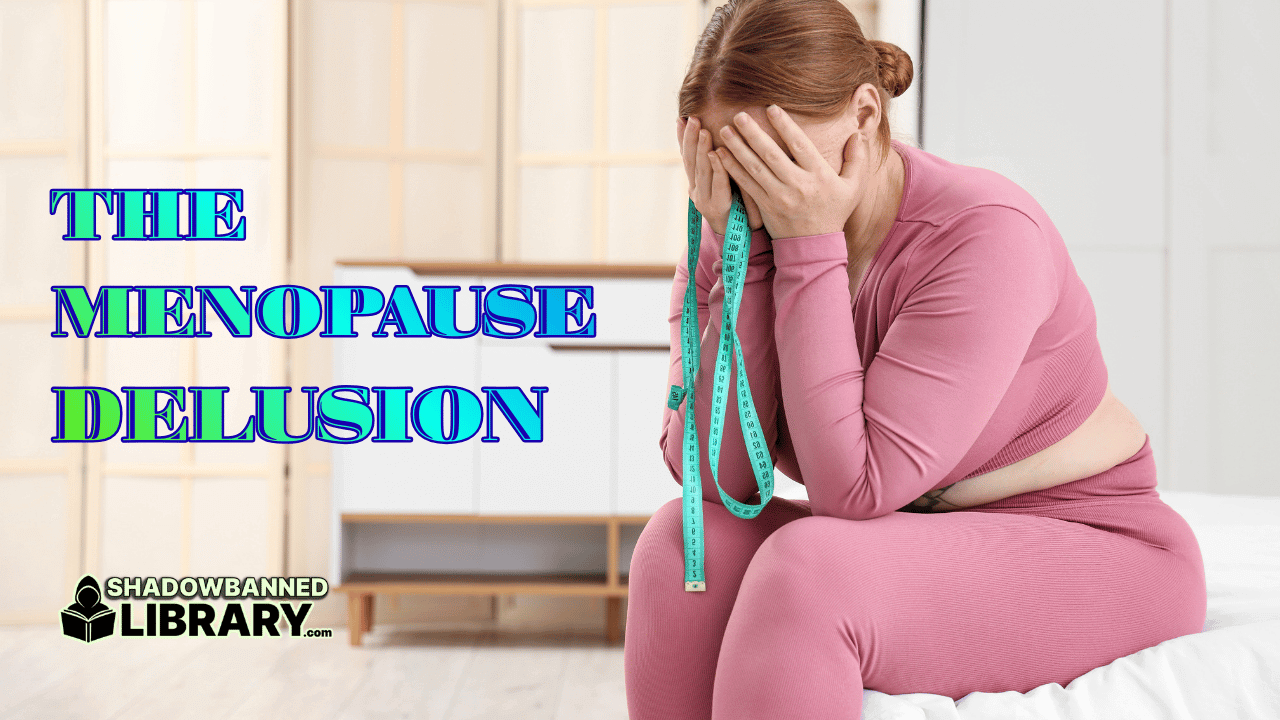
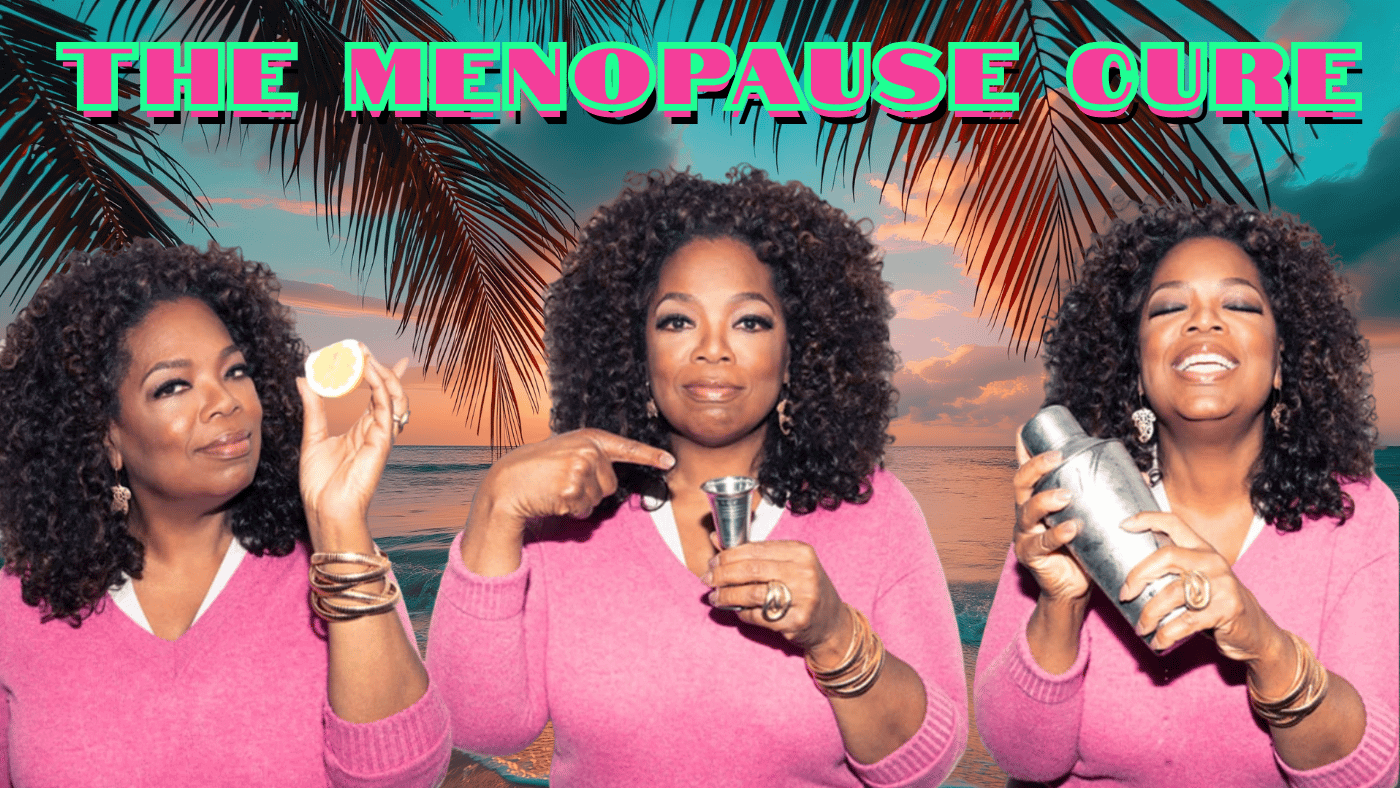
I have to agree with what we are told about ancient tribes and ancient wisdom. A woman who has completed her childbearing years and is no longer fluctuating monthly with hormonal shifts from cycles, pregnancy, and nursing is in a different physiological position. That role in the tribe was earned, not given. It was not automatic because she reached a certain age or stopped bleeding. But she was in a stronger position to offer counsel and leadership.The role models younger women have now? The rotund clowns we see pictured above doing a modified Kaepernick Hitler salute. I’m sure it’s just a coincidence. Moving on.
When a woman is no longer cycling, pregnant, or nursing, she is not managing the same biological demands. That steadiness placed her in a better position within the tribe. In many societies, elder women advised leaders, selected them, and removed them if necessary. Authority came from experience and stability.
There is also a clear historical reality. Tribal medicine men and women were not treating a defined set of symptoms related to the cessation of monthly bleeding. There is no record of a standardized syndrome attached to the end of fertility. There were no structured treatment systems in place to address it.
Today, many women strongly identify with a diagnosis; they even make movies and musicals about it. People magazine is ripe with special interest stories littered with menopause mania. In the comments of my previous article, women described real discomfort and attached it to hormonal language. I am not denying that women experience symptoms. I am questioning whether the attribution is always accurate.

We live in a time of chemical exposure, processed food consumption, chronic stress, sleep disruption, alcohol normalization, caffeine dependence, and widespread metabolic dysfunction. Many women carry excess adipose tissue, which alters estrogen metabolism. When insomnia, anxiety, mood changes, weight gain, and temperature sensitivity appear in women over forty, hormones are presented as the primary explanation. Words like perimenopause become broad containers for many different experiences.
WE also have to take into account how this campaign has turned women into jokers and clowns in their 3rd season. This is by design, of course. Read what the article goes on to say below. If you can see these as pharmaceutical advertisements, I don’t know how else to tell you.
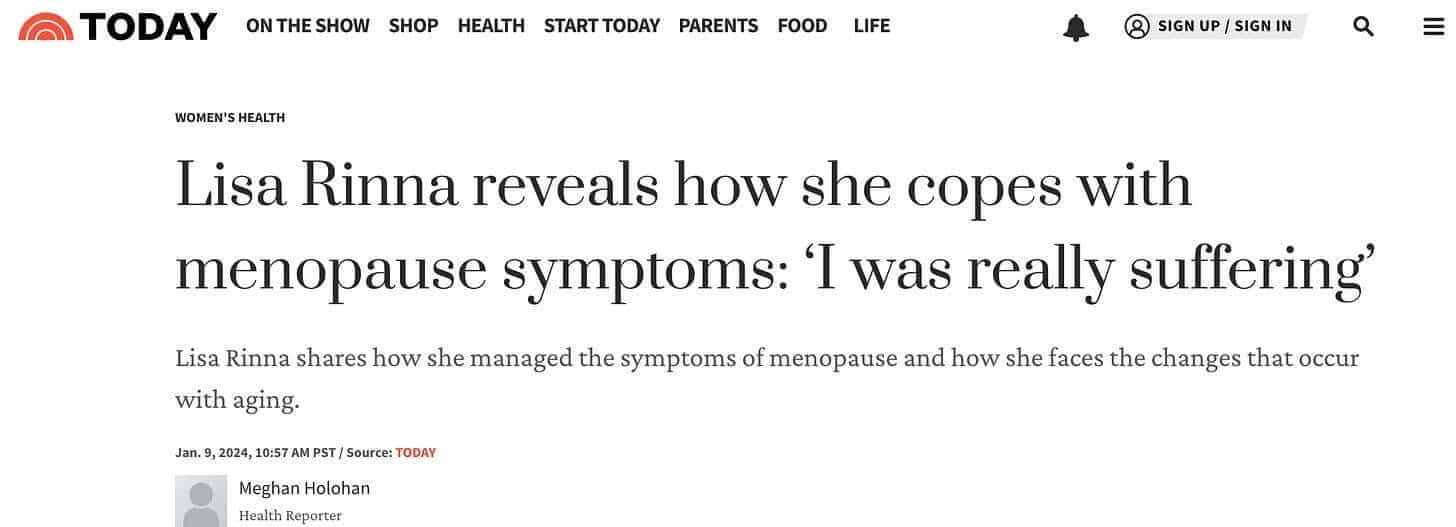
In a recent Today interview, Lisa Rinna said she once believed she could never take hormone therapy because breast cancer runs in her family. She had been warned for years to avoid estrogen, and she carried that caution into midlife. Now, she says, “They told me it’s different. They said the newer hormones are safe.” Her clinician explained that earlier fears were based on outdated data, that current formulations are bioidentical, and that starting at the right time changes the risk profile. “They said the data has changed,” she said. “They said it’s actually protective if you start early.”
The striking part is not her choice; she is an obvious Hollywood clown and puppet. The risk did not disappear. The narrative around it shifted. She is not rejecting her history; she is “trusting the science”. The real question is, why are you?

It reminds me of when pharma had the puppet POS Stephen Colbert doing a musical for the Convid Quackcines. Advertisements, without looking like p-harm-aceutical advertisements, but show segments in woke mob tel-lie-visions, that people chose to watch, are the most effective of propaganda schemes. Again, it was easy for you to spot with Colbert, but not with HRT? What is the difference? One propaganda scheme you spotted, the other you didn’t. Same exact playbook. You staunchly reject one pharmaceutical, calling the industry a group of convicted felons selling poison, yet have no issue taking their “good” bioidentical HRTs, Horse Paste, and Vitamins.

Once an Industry, Always an Industry
Growth in this industry does not come from selling the same product to the same women indefinitely. It comes from expanding who qualifies and when they qualify. Lowering the age of entry is one method. Hormone therapies are no longer confined to midlife. The shareholders are happy, the corporate psychopaths’ hunger is temporarily satiated, and the machine marches on, destroying anything in its path for the sake of another quarterly increase. Imagine for a moment what this will look like in 10 years or 20?

Lowering the age of entry is one method. Hormone therapies are no longer confined to midlife. Pediatric hormone treatments are approved for children as young as two and a half years old, with weekly injections designed for years of administration. This happens with the stroke of a key, changing normal ranges to abnormal. And abnormal is just another dollar sign for the machine.
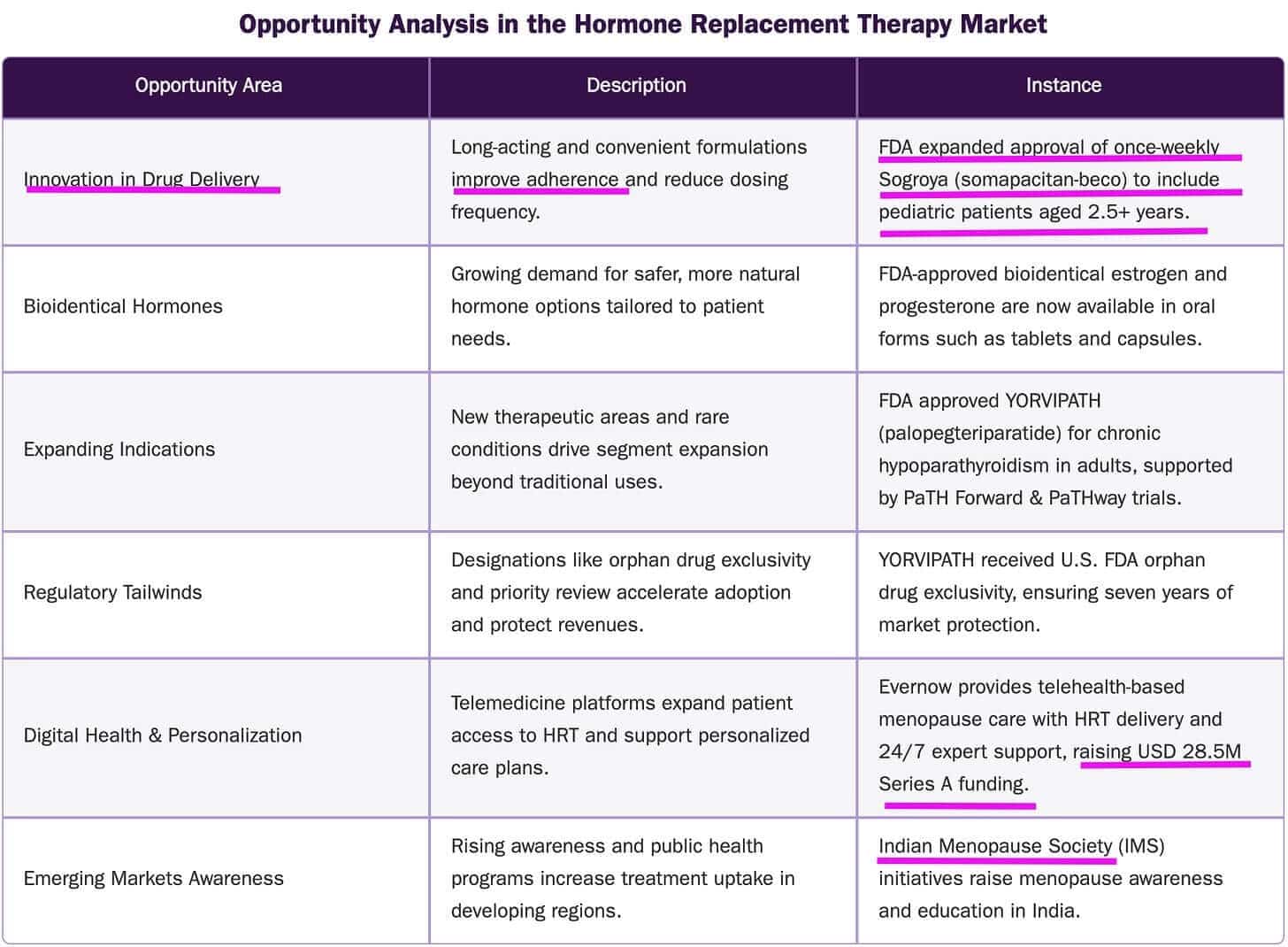
These are not emergency interventions. They are structured, long-term hormone management plans for children who are otherwise healthy but fall outside statistical norms. And what happens when you inject a child with hormones? Their natural production ceases abruptly to protect them from excess. Another lifelong customer with a not-so-long and very unhealthy life.
Parallel to this, the pediatric and adolescent hormone market has expanded dramatically through puberty blockers and cross-sex hormone therapy. Puberty blockers suppress natural endocrine signaling at the exact stage when the body is designed to surge. Cross-sex hormones then replace or override that signaling. These interventions require ongoing monitoring, lab testing, dosage adjustments, specialist oversight, and often long-term continuation into adulthood.
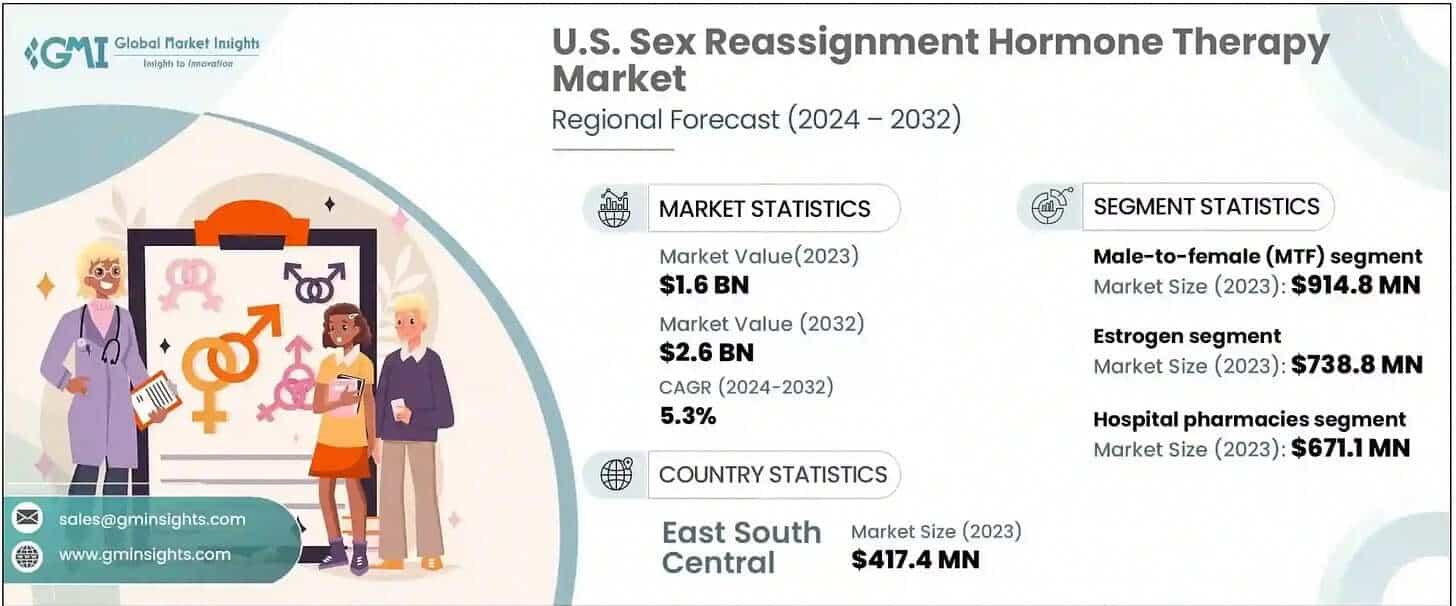
Whether you view these treatments as necessary or controversial is separate from the economic reality. They represent a significant expansion of hormone intervention into populations that were historically untouched by pharmaceutical endocrine manipulation. Children and adolescents are now active participants in a system that seeks only to maximize profit, no matter the cost.
When growth hormone begins at two and a half, puberty is medically paused at twelve, cross-sex hormones begin at fourteen, and hormone replacement therapy resumes at forty-five, the throughline becomes visible. Hormone management is no longer episodic; it is now continuous. Just like they don’t want you walking around with your own joints, when you could be purchasing theirs, they don’t want you walking around making your own hormones when you can inject theirs.
The industry does not need to persuade the same fifty-year-old woman repeatedly. It needs to enter earlier, normalize intervention, and remain present across decades.
Diagnostic expansion reinforces this growth. Awareness campaigns shape expectations and define what counts as an imbalance. When more experiences are labeled as hormonal deficiencies, the eligible population increases. Menopause and perimenopause are part of a larger pattern that includes male hypogonadism, age-related hormone decline, and symptom clusters that are instead a direct result of stress, sleep disruption, metabolic dysfunction, and environmental exposure. Once a label is formalized, a treatment pathway follows.
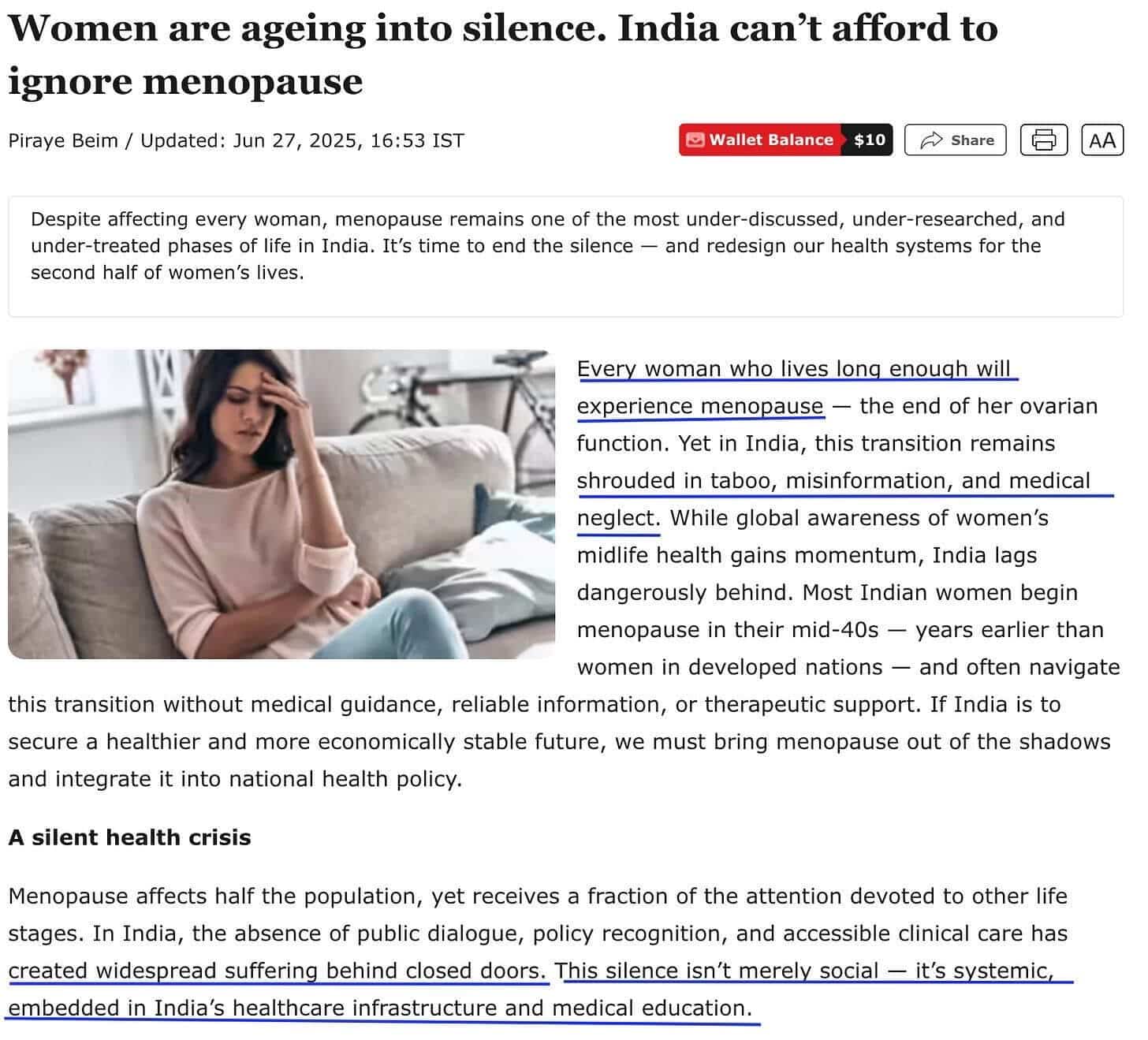
Geographic expansion follows the same model. In places where aging was not traditionally medicalized, new campaigns introduce the concept as a condition requiring management. Emerging markets such as India are identified for growth, not because biology has changed, but because the treatment model is being exported alongside telemedicine and subscription care. Look at this nauseating propaganda campaign bleeding into the farthest corners of the planet. The wording used is the reason we have an Associated Press, aka a propaganda creation.
Digital platforms accelerate this process. Telehealth reduces friction and turns hormone therapy into an ongoing service. Monthly labs, dashboards, dose adjustments, and recurring consultations keep patients within a managed system. Hormone levels fluctuate naturally, yet interpretation is positioned as precise. The same structure that defines imbalance supplies the correction.
And this is unfolding in a world already saturated with endocrine disruptors.
Hormones-What the Heck are They Really?
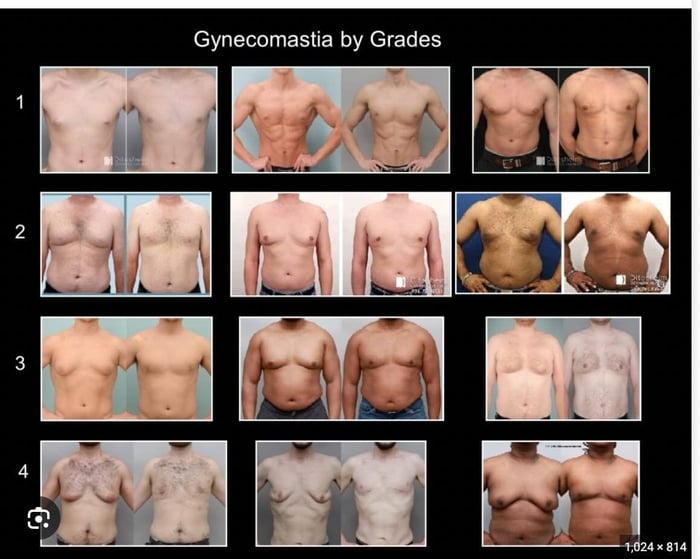
Before we go any further, we need to be clear about what we are actually talking about when we say “hormones.” Again, I have to go based on what they tell us, so this will be general. If all I see are cartoons and ideas, I have to know they are both lying and have no working concept of reality. They only know what they can manipulate and change without killing you and causing an effect you can observe. So, giving estrogen to a young boy gives them bitch tits, aka gynomasty, then we can count it as evidence. The rest I have to hold at arm’s length with ever-increasing skepticism.
Remember Lab Value Larceny? The lab values are to sell you drugs. That’s it. Now back to the hormones.
A hormone is a chemical message your body sends from one place to another. It is a molecule made in a gland, released into the bloodstream, and delivered to tissues that have a matching receptor.
When women talk about “my hormones,” they are usually referring to estrogen, progesterone, and testosterone. These are steroid hormones. Steroid hormones are made from cholesterol. Cholesterol is the raw material your body uses to build every sex hormone. Without cholesterol, you do not make estrogen, progesterone, cortisol, or testosterone. How many people over 40 are told to reduce their cholesterol? Suicide affects your hormones and brain.
Here is what happens during a normal menstrual cycle.
Your brain signals your ovaries to get ready, as it runs on an automatic hormonal rhythm that repeats in cycles, rising and falling in response to built-in feedback signals. One small sac in the ovary, called a follicle, begins to grow. As it grows, it takes cholesterol and turns it into estrogen. That estrogen enters your bloodstream, signaling your body that an egg is maturing. When estrogen rises high enough, it triggers the brain to send another signal that releases the egg. This is ovulation.
After the egg is released, the empty follicle changes and starts making progesterone, again using cholesterol. Progesterone prepares the uterus for a possible pregnancy and also may affect mood, sleep, and body temperature.
If pregnancy does not happen, both estrogen and progesterone fall. The uterine lining sheds. That is your period. Then the cycle begins again. As David Parker brilliantly pointed out in our private Truth Chat, this monthly shedding may be why women live longer than men. They detoxed every month during their reproductive years.
When the follicles stop releasing eggs regularly, progesterone drops first because it is only made after ovulation. Estrogen becomes more unpredictable. Eventually, as the follicles are largely gone, estrogen production declines steadily. The brain sends stronger signals trying to stimulate the ovaries, but the response is weaker.
When bleeding ends for good, it means the ovaries are no longer cycling the way they once did. The rhythm changes. That is the shift people call menopause.
What about the less dominant hormones? Testosterone is also made from cholesterol. In women, small amounts are produced by the ovaries and adrenal glands. Some of that testosterone is converted into estrogen by an enzyme called aromatase. Aromatase is active in fat tissue, which means body fat can alter the amount of estrogen produced from androgens.
All of this is controlled by feedback loops. The brain signals the ovaries. The ovaries release hormones. Those hormones signal back to the brain. It is not random. It is rhythmic and responsive.
Now imagine a real scenario.
A 38-year-old woman sleeps 5 hours a night. She drinks coffee in the morning and wine at night. She carries 35 extra pounds. Her stress level is high. Her brain reads stress as a priority. Cortisol increases. Chronic stress can change how the hypothalamus signals the pituitary. Ovulation becomes inconsistent. If ovulation does not occur, progesterone does not rise. Estrogen may still fluctuate, sometimes high, sometimes low. She experiences mood swings, sleep disruption, and irregular bleeding.
If she goes to the lab on a random Tuesday, her estradiol may look abnormal or normal. Her progesterone may be low because she did not ovulate that month. Her FSH may still be in a premenopausal range. The lab prints numbers. Those numbers are a snapshot of what was circulating in her blood at that moment. If she went the next morning, they would fluctuate wildly from the day before. Is it the frog and scorpion? Why are your hormones fluctuating? Because it’s in their nature. So stop treating the wave like it’s the problem. Instead, stop polluting the ocean.
What is the lab actually doing?
Blood is drawn and spun to separate serum. The lab uses either an immunoassay or mass spectrometry. Immunoassays use antibodies designed to bind specifically to estradiol, progesterone, testosterone, or FSH. The binding produces a measurable signal. The stronger the signal, the higher the concentration.
Mass spectrometry separates molecules by weight and charge and measures them directly. It is more precise at low levels, especially for estradiol after menopause.
The result is reported as a concentration. Picograms per milliliter. Nanograms per milliliter. International units per liter.
But the lab is only measuring what is in the bloodstream. It does not measure the sensitivity of your receptors. It does not measure how your liver is metabolizing hormones. It does not measure how much hormone is being converted in fat tissue. It does not measure how strongly your brain is pulsing signals.
During “perimenopause”, ovarian follicles decline. Ovulation becomes irregular. Progesterone drops first because it only rises after ovulation. Estrogen may fluctuate unpredictably because follicles can still produce estradiol even when ovulation is inconsistent. Eventually, as follicles are largely depleted, estradiol production declines more steadily, and FSH rises because the brain is trying harder to stimulate the ovaries.
Now consider what happens when external hormones are introduced.
If a woman takes oral estrogen, it first passes through the liver. The liver responds by increasing certain clotting factors and altering SHBG levels, the protein that carries sex hormones. That alters the balance between bound and free hormone. If she uses a transdermal patch, the hormone enters the bloodstream directly, bypassing first-pass metabolism and leading to a different physiological response.
When exogenous hormones are present, the brain senses the circulating level and reduces its own stimulation of the ovaries. The feedback loop adjusts. The body adapts to the signal being provided from outside.
If those hormones are later stopped, the body must resume its own signaling pattern. Depending on age and ovarian reserve, that pattern may resemble the previous baseline or may reflect further decline that occurred during that time.
The Impossibility of Treating Hormones
Taking hormones your body does not need is like turning the ignition when the car is already running. The engine is on. The system is calibrated. But you crank it again anyway. At first, nothing obvious happens. Then the starter strains. Over time, components wear down because they are forced to handle inputs they do not require. How do I know? Because nature is always perfect in its response, there can be no other way. If your body’s ability was damaged by drugs and you can’t make hormones, taking them adds insult to injury, as I will point out in the next article.
Hormones are not discarded when they are no longer necessary. They circulate. They bind to receptors. They are metabolized. They are converted. They are stored. The body has to process every signal it receives. Excess does not disappear; it is managed.
If the ovaries have reduced production, that is information. The body adjusts its signaling patterns for a reason. Overriding that shift is not neutral, and the body always takes a hit; the longer it occurs, the worse the outcomes.
In the next article, we will examine where the overflow goes. We will look at how hormones are metabolized, stored, converted in fat tissue, and how they interact with blood vessels, clotting factors, and the brain. We will also examine the everyday exposures that can push this system off balance long before a prescription is written.
Before replacing a signal, we need to understand what happens to the excess and what else may already be altering the system from the outside.
References:
Hall, J. E. (2021). Guyton and Hall Textbook of Medical Physiology (14th ed.). Elsevier.
Speroff, L., & Fritz, M. A. (2011). Clinical Gynecologic Endocrinology and Infertility (8th ed.). Lippincott Williams & Wilkins.
Burger, H. G., Dudley, E. C., Robertson, D. M., & Dennerstein, L. (2002). Hormonal changes in the menopause transition. Endocrine Reviews, 23(1), 79–99.
Santoro, N., & Randolph, J. F. (2011). Reproductive aging and the menopause transition. Obstetrics and Gynecology Clinics of North America, 38(3), 455–466.
Miller, W. L., & Auchus, R. J. (2011). The molecular biology, biochemistry, and physiology of human steroidogenesis and its disorders. Endocrine Reviews, 32(1), 81–151.
Simpson, E. R. (2003). Sources of estrogen and their importance. Journal of Steroid Biochemistry and Molecular Biology, 86(3–5), 225–230.
Rosner, W., Auchus, R. J., Azziz, R., Sluss, P. M., & Raff, H. (2007). Position statement: Utility, limitations, and pitfalls in measuring testosterone. The Journal of Clinical Endocrinology & Metabolism, 92(2), 405–413.
Handelsman, D. J., et al. (2020). Mass spectrometry sex steroid assays in clinical practice. The Journal of Steroid Biochemistry and Molecular Biology, 198, 105573.
Elston, M. S., Sehgal, S., Du Toit, S., Yarndley, T., & Conaglen, J. V. (2016). Factitious Graves’ disease due to biotin immunoassay interference. The Journal of Clinical Endocrinology & Metabolism, 101(9), 3251–3255.
U.S. Food and Drug Administration. (2017, updated). The FDA warns that biotin may interfere with lab tests.
The Women’s Health Initiative Investigators. (2002). Risks and benefits of estrogen plus progestin in healthy postmenopausal women. JAMA, 288(3), 321–333.
Canonico, M., et al. (2007). Postmenopausal hormone therapy and risk of venous thromboembolism: Results from the ESTHER study. Circulation, 115(7), 840–845.*