

Introduction
For most of human history, there was no recorded epidemic of women collapsing into dysfunction when their cycles stopped. The medical literature prior to the twentieth century does not describe a widespread syndrome requiring herbal or pharmaceutical intervention. What it does record in multiple anthropological accounts is a shift in social role. Post-reproductive women often moved into advisory positions, tribal council roles, knowledge-keeping, and governance. The heart and spirit of the Tribe.
Without it, we have runaway ideas about male leaders like the duck-waddling Beta male Andrew Tate or the Hamburger Helper of the podcast world, Joe Rogan. They look like men, but they are weak minded, low vibe dudes who are only after “more”, the every elusive disease of the hungry ghosts. These are not wise leaders ushered in by wise women. These are ignorant apes that learn their behaviors from other ignorant apes who dismiss the power of the divine feminine, falling into ego and puffed-up displays. We need men in power who wise women have carefully selected for their ability to lead, protect, and create a healthy, powerful tribal ecosystem. Otherwise, we devolve into what you see unfolding now… a society filled with mask-wearing blue hairs that cry if you forget what ze/zer means.
Joe Rogan facing off with Andrew Tate. This is what a society without first valuing the wise woman, and second without listening becomes. 

If you walk away with nothing else from this series, at least know this. Step 1 of the Menopause Cure? Here is why I mention Oprah…
Step 1. Don’t listen to anything Oprah tells you to do. Or anyone else on a screen selling you the same snake oil con. Oprah was all up in the menopause business because the alleged child-trafficking alcoholic who, until recently, was fat and bloated and addicted to junk food, was plying menopause as her grift of choice. Now that the new skinny Oprah started injecting and subsequently pimping the GLP-1 Wegovy blindness drugs, she is all up in the peptide business. Oprah’s MD (medical deviant) is Dr. Ania Jastreboff of Yale (this is how she is listed on the internet, lest anyone forget she went to Yale) who receives funding from none other than pharmaceutical companies, specifically Eli Lilly (makers of tirzepatide) and Novo Nordisk (makers of semaglutide) for clinical trials who advocates for viewing obesity as a chronic, treatable genetic disease rather than a choice. I don’t have time to tell you how bad the peptides are; let Oprah’s never-ending junkyard greed speak for itself. These people don’t care about you or who they have to step on to get more money and power. It’s the same old broken record. Before we get to the cure, let’s first look at what is decidedly NOT a cure.
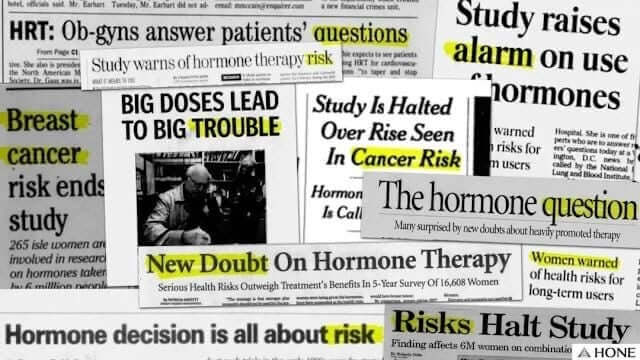
To recap, the medical framing of menopause as hormone deficiency emerged in the mid-twentieth century, accelerated in the 1960s, and was amplified through pHARMaceutical marketing and their hired Md, Dr. Robert A. Wilson. Estrogen was positioned as restoration therapy and youth preservation; Forever Feminine became the message. By the 1980s and 1990s, hormone replacement therapy expanded beyond symptom relief into disease prevention claims. The cultural narrative shifted from transition to deterioration. A normal physiologic milestone was reframed as endocrine failure.

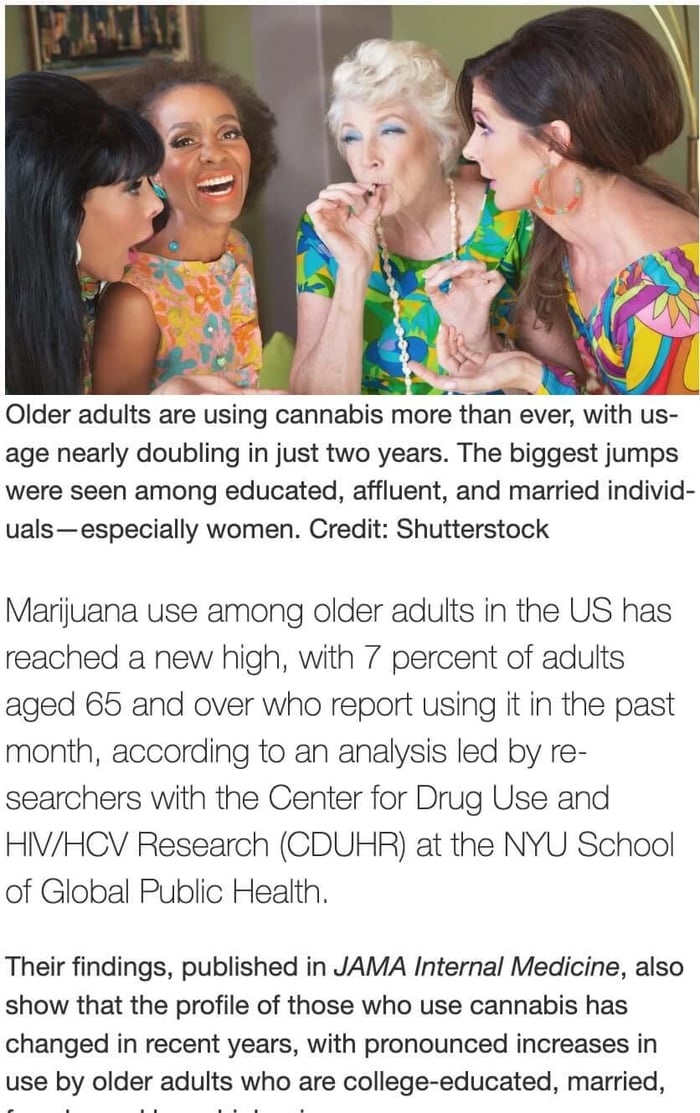
At the same time, the environmental load placed on women changed dramatically. Modern women are not aging in ancestral conditions. They are consuming daily alcohol marketed specifically to them: sweet white wines, margaritas loaded with sugar, chocolate martinis, syrup-heavy coffee drinks. They are exposed to plasticizers, fragrances, pesticides, endocrine-disrupting chemicals in cosmetics, hair products, cleaning agents, and processed food packaging. Cannabis edibles layered with sugar and emulsifiers are sold as relaxation and sleep aids. Ultra-refined carbohydrates and unnatural oils saturate the modern diet. Sleep is shortened, with excess caffeine circulating in the body for longer due to the loss of detox routes; light exposure is artificial LED; sweating is nonexistent; real movement declines; and waste starts to build up. Usually a disastrous detox or parasite cleanse is added to the mix. And then the hormones are prescribed. The ultimate insult to the injury.
The disaster occurs because of the way hormones operate.
The liver processes endogenous hormones through tightly regulated Phase I and Phase II detoxification pathways. Estrogen metabolites must be hydroxylated, methylated, sulfated, or glucuronidated for safe elimination. When alcohol intake increases, hepatic detoxification prioritizes ethanol metabolism. When sugar intake rises, insulin increases, aromatase activity in adipose tissue increases, and more androgens convert to estrogens. When fiber intake decreases, estrogen conjugates recirculate through enterohepatic cycling rather than being excreted. When chemical xenoestrogens accumulate, they compete with endogenous estrogens at estrogen receptors and alter signaling thresholds.
The monthly cycle does not “break down.” It responds. Ovarian hormone output is governed by hypothalamic and pituitary signaling in real time. Stress, caloric load, circadian rhythm disruption, inflammation, and toxin exposure all alter that signaling. When cycles cease, it is because the ovarian follicular reserve declines to a threshold where ovulation no longer occurs. That is a biologic endpoint built into mammalian design. It is not a toxin, nor is it a disease state.
Hormone levels change when cycles stop because they are no longer oscillating with ovulation, and that shift does not inherently destabilize the body. The destabilization arises when the surrounding metabolic and detox systems are already overloaded. The symptoms being attributed to “hormone loss” reflect impaired clearance, insulin dysregulation, and chemical burden interacting with a different hormonal baseline.
The current market response has been to inject exogenous hormones into that system and call it ‘restoration’. That assumes the problem is a deficiency. It ignores whether the terrain receiving those hormones is metabolically capable of safely processing them.
After writing the first 3 articles, something else didn’t sit right with me. Women who do not cycle are not crones of winter; it is the Fall if we break it down into a more sensible timeline.
Spring is born through thirty. Growth, expansion, and biological construction. The beauty of the bud blooming from a girl to a woman.
Summer is 30-55 or 60 depending on lifespan. Reproduction, peak metabolic output, the magnificence of the beautiful blossom.
Fall is 60 to 85 or 90. Quiet power, wise balanced authority, true wisdom and, clarity. The full expression of the colors, the opposite of the Spring budding, the most beautiful and contemplative phase, where we go inward and settle our energy.
Winter begins after eighty-five, when systemic decline accelerates independent of reproductive status. That is when frailty and organ reserve slowly diminish. Stop saying you are old or acting like it until at least 85 or 90. Then you can gracefully grow old and allow the signs of winter and dormancy to stay as you relax into your final season, cared for by those in their Spring and Summer.
Calling fifty the beginning of winter is biologically incoherent. It confuses cycle cessation with slow decline and failure. These are not the same event. Fall is necessary to enter dormancy and fallow, to receive Winter with grace. The natural order of things.
What happens when exogenous hormones are introduced into a dynamically shifting endocrine system? How “bioidentical” and conventional hormones are manufactured and how they act at receptors. Why feedback suppression matters. How proliferative signaling interacts with detox capacity. And why the sustainable solution for women in fall is not endocrine override, but restoration of elimination, metabolic stability, and chemical reduction.
What HRT Is Now
Hormone replacement therapy today is not the same formulation that dominated in the 1980s and 1990s. The early standard was Premarin, a mixture of conjugated equine estrogens derived from the urine of pregnant mares, paired with medroxyprogesterone acetate (Provera), a synthetic progestin engineered in a laboratory. That combination defined first-generation mass-market HRT. When I first started working in the psychiatric field, every single woman in the lock hospital over the age of 40 was taking premarin and provera. Almost the same as every single woman I know is all about HRT because “OMG, Robin, menopause is kicking my ass”. No, Danielle, your choices are. But no one wants to give up the victim medallion or champagne brunches.
After safety concerns and public backlash, the market shifted. Not because they cared about harming people, but they were killing their customers. And that affects the bottom line and that is the only time anything actually changes; when the FDA fine is more than the profit. But I'm sure the new wave of hormones are fine. Equine estrogens were replaced with purified estradiol. Synthetic progestins were increasingly replaced with micronized progesterone. Transdermal patches, gels, creams, and compounded preparations were introduced. The new label became “bioidentical.”
The implication was refinement. Closer to the body and completely natural. LOL The manufacturing reality did not become healthy botanical compounds. Modern estradiol and progesterone — whether FDA-approved or compounded — begin with plant sterols, most commonly diosgenin from wild yam or stigmasterol / sitosterol from soybeans.
To convert these plant sterols into human hormones, the plant material must first be chemically stripped.
Industrial extraction uses:
Sulfuric acid
Hydrochloric acid
Organic solvents such as hexane, petroleum ether, chloroform, ethyl acetate, and historically benzene
Neutralizing bases, including sodium hydroxide (NaOH), ammonia, or calcium hydroxide
Sulfuric acid and hydrochloric acid are corrosive mineral acids capable of causing severe chemical burns and respiratory injury under exposure. Sodium hydroxide is a caustic base that breaks down proteins and destroys tissue on contact. Hexane is associated with peripheral neuropathy in occupational exposure. Benzene is a known carcinogen linked to bone marrow suppression. Chloroform is hepatotoxic. Ammonia destroys tissues, damages the kidneys’ sensitive filtration, and irritates and damages respiratory tissue.
These chemicals are not added for therapeutic value. They are used to dismantle plant matter and isolate sterols for reconstruction.
The isolated sterol must then be structurally rebuilt through a process historically known as Marker degradation. This industrial pathway uses:
Acetic anhydride
Chromium trioxide (CrO₃)
Acetic acid
Ethanolic sodium hydroxide
Chromium trioxide is a hexavalent chromium compound classified as carcinogenic in occupational settings and capable of oxidative cellular damage. Acetic anhydride is corrosive and irritating to the eyes and lungs. Sodium hydroxide remains caustic at high concentrations.
These reagents cleave side chains and restructure the sterol into a C21 steroid framework that can form progesterone.
From there, additional synthesis steps convert intermediates into specific hormones. Reagents commonly involved include:
Phosphorus oxychloride
Raney nickel
Palladium on carbon
Zinc with acetic acid
Aluminum isopropoxide
Phosphorus oxychloride is highly reactive and corrosive. Nickel compounds are neurologically damaging heavy metals and respiratory sensitizers. Methanol and acetone, used in “purification,” are toxic solvents. Silica gel is used in chromatography to separate pure “hormone” from byproducts.
After purification and crystallization, the final compound is micronized into a fine powder. That powder is blended with carrier oils, stabilizers, or fillers depending on the delivery method. Injectable formulations may contain benzyl alcoholor benzyl benzoate as “preservatives”. Transdermal and oral formulations contain absorption enhancers, such as DMSO.
The finished estradiol or progesterone molecule is chemically identical to the endogenous hormone. It is purified to pharmaceutical standards. It does not contain crude plant residue. It is not pressed yam extract. This is EXACTLY how they make your prescription drugs, vitamins, and supplements. It is NOT an isolated compound; it is a chemical soup with a plethora of extremely toxic chemicals that affect your hormones and who knows what else. It’s not like you are putting wild yams in a magic concentrator and pulling out pure estrogen. You are taking something that stimulates estrogen production and or tricks the body into thinking what you are consuming is estrogen, so the negative feedback loop is enacted.
The “bioidentical” distinction refers to the final molecular structure. It does not describe the origin or the process.
Modern HRT, whether equine-derived, synthetic progestin-based, or marketed as bioidentical (just a marketing term to mean we are lying to you), is industrial steroid chemistry delivered in pharmacologic doses. It is never found in nature and it is anything but natural.
That is what it is.

What Happens When You Take Exogenous (Which means not of the body and nothing in a pill is) hormones?
When estradiol or progesterone is taken orally, transdermally, or by injection, it enters circulation independent of hypothalamic signaling. The body did not request it. The pituitary did not respond with a pulse. It is introduced as a fixed external bombardment that triggers an alarm within the body, and reactions are necessary to prevent overdosing. Keep in mind that the symptoms women experience are directly a result of the cessation of a monthly detox pathway, so they have circulating garbage in the body. Formaldehyde from the breakdown of alcohol, adrenaline, and fat, producing cortisol, Frankenfood chemicals, and all the vitamins and supplements you know they are taking. We are a resilient group of mammals and are very hard to kill. But that doesn’t mean ingesting pHARMaceutical chemistry experiments is harmless either. HRT increases your risk of succumbing to a massive amount of iatrogenic diseases.
1. Negative Feedback Suppression
As we have mentioned, the hypothalamic–pituitary–ovarian axis operates through feedback loops. Rising estrogen normally suppresses GnRH release from the hypothalamus and LH/FSH release from the pituitary.
When synthetic chemical-laced bio-identical estrogen is introduced, circulating levels rise regardless of ovarian output. The hypothalamus interprets this as adequate hormone presence and reduces upstream signaling. Endogenous production is further suppressed.
In perimenopause, hormone levels fluctuate because ovarian reserve is shifting and follicular response is inconsistent. Adding external estrogen does not restore follicular reserve. It overrides feedback signaling. The ovaries do not stabilize; they disengage further from regulatory input. The system becomes externally regulated. Right where pHARMa wants you.
2. Hepatic First-Pass Metabolism and Clotting Factors
Oral estrogen passes through the liver before entering systemic circulation. This first-pass metabolism stimulates hepatic synthesis of several proteins, including:
Clotting factors (Factor VII, Factor X, fibrinogen)
Sex hormone–binding globulin (SHBG)
C-reactive protein
Triglycerides
The increase in clotting factor production alters the coagulation balance. This is the mechanistic basis for the increased risk of venous thromboembolism associated with oral estrogen. The molecule does not directly “cause a clot.” It shifts hepatic protein synthesis toward a more pro-coagulant profile. Similar to birth control pills causing DVTs and strokes in young women.
Transdermal estrogen reduces first-pass liver stimulation but still delivers systemic estrogen that must ultimately be metabolized by hepatic pathways.
Oral estrogen forces the liver to produce more clotting factors, thickening the blood and increasing the likelihood that a clot forms where it shouldn’t. That clot can lodge in the leg as a deep vein thrombosis, travel to the lungs as a pulmonary embolism, block blood flow to the brain and cause a stroke, or obstruct a coronary artery and trigger a heart attack. This is not abstract theory; it is the same mechanism by which combined birth control pills increase the risk of DVTs and strokes in young women. When you introduce external estrogen, you are deliberately shifting the body toward a more pro-coagulant, inflammation-prone state, like when you flush the lining of the uterus so you don’t bleed out.
Transdermal estrogen avoids the first-pass through the liver, so it does not stimulate clotting proteins as aggressively as oral estrogen. But it still raises estrogen levels in the bloodstream, and estrogen continues to signal the body to produce more clotting factors. The principle does not change. More estrogen stimulation leads to more clotting proteins circulating in the blood. More clotting proteins increase the likelihood that a clot forms in the wrong place. Anything that blocks blood flow can become a deep vein thrombosis, a pulmonary embolism, a stroke, or a heart attack.
Risk increases as the vascular system becomes less resilient. Advanced age naturally reduces arterial elasticity and slows the repair of arterial damage. Poor vascular tone — whether from a sedentary lifestyle without vigorous exercise, mineral imbalance, long-term use of all bone-building (all are black box) drugs, calcium tablets, Vitamin A, vitamin D3, as it depletes minerals from the bone that stiffens vessels and affects endothelial function. Repeated exposure to chlorine in treated tap water and swimming pools induces oxidative stress in vascular tissue. When blood becomes more prone to clotting in a system where vessels are already less flexible or swollen and irritated, the probability of a thrombotic event rises. The pathway is straightforward: thicker blood moving through stiffer or irritated vessels increases the chance of blockage.
3. Estrogen Receptor–Mediated Proliferation
From what the medical establishment tells us, estradiol is the primary form of estrogen produced by the ovaries during reproductive years. It is a regulatory hormone that stimulates tissue growth, remodeling, or maintenance of structure.
The tissues in the body that contain estrogen receptors include (keep in mind this is what they tell us, I’m not really buying the receptors, but the tissue responds to the fluids excreted by the ovaries and builds or increases:
Breast tissue
The uterine lining (endometrium)
Residual ovarian tissue
Blood vessel walls
Brain tissue
Bone
When estradiol is excreted, it stimulates the growth of breast and uterine tissues. This is a normal part of reproductive physiology. The uterine lining thickens each cycle under the influence of estrogen. Breast tissue responds to estrogen throughout life.
The relevant point is functional, not dramatic: estradiol increases cellular proliferation in tissues that contain estrogen receptors. When exposure increases, signaling increases. When signaling increases, cell turnover increases. Estrogen promotes tissue growth and can accelerate its proliferation. This is why estrogen exposure is associated with tumor promotion in estrogen-sensitive tissues.
Progesterone puts the brakes on tissue growth but does not eliminate the proliferative stimulation entirely. A month or two on the hormones isn’t usually enough for tumor development, but several years? Now we may have some serious problems.
4. Metabolic and Binding Protein Shifts
Exogenous estrogen signals the liver to produce more sex hormone–binding globulin (SHBG). SHBG binds tightly to testosterone and estradiol in the bloodstream. When SHBG rises, a greater percentage of these hormones becomes bound and biologically inactive. The total hormone number on a lab report may look adequate, but the fraction available to tissues as the free, usable portion can drop. Lower free testosterone in particular can affect muscle maintenance, mood stability, energy levels, and sexual function. The ratio shifts in a way that does not mirror natural hormonal rhythms. Instead of a dynamic rise and fall, there is a long-term sustained alteration in binding capacity. The body needs ebbs and flows to maintain homeostasis.
Estrogen also changes how the liver handles fats. It can increase triglyceride production and alter cholesterol balance. Elevated triglycerides, such as those seen in fatty liver disease, are associated with increased cardiovascular risk and pancreatitis.
The mechanism is straightforward: external estrogen changes liver protein production. Those protein changes alter how hormones circulate and how lipids are processed. When binding patterns and lipid metabolism shift, downstream effects follow.
5. Estrogen Metabolism and Reactive Intermediates
Every bit of estrogen in your body, whether your body makes it or you swallow it in a pill, has to be broken down and processed by your liver. It breaks down estrogen into other forms so it can be safely removed from the body.
When estrogen is broken down, it first forms intermediate products. Some of those forms are harmless and pass through easily. Others are more reactive and can irritate cells if they are not quickly neutralized and cleared. The body has built-in systems to handle this, but those systems have limits.
When you add extra estrogen from outside the body, you increase the total amount that has to be processed. That means more work for the liver and kidneys, as more intermediate byproducts are produced. If the liver is already busy dealing with alcohol, medications, processed foods, or chemical exposures, it will not clear those byproducts efficiently.
The point is simple: more estrogen means more processing. More processing means more strain. When the cleanup system is overloaded, the risk of your filter systems breaking down increases. This includes everything from the spleen and appendix to the liver and, of course, the kidneys. But as much as the medical complex wants you to beLIEve organs operate independently, they do not. It is a symphony coordinated on thousands of levels every second, every day, for the duration of your life. Any piece affected, the whole system is affected.
6. Fixed Dosing in a Dynamic System
Internal hormone production is pulsatile. Estradiol levels rise and fall daily. Hormone therapy delivers a fixed daily dose. The concentration does not adjust to stress, illness, caloric deficit, or circadian rhythm. Tissue receptors respond to whatever concentration is present.
Chronic fixed stimulation can lead to receptor downregulation or altered sensitivity over time. Risk arises from sustained receptor activation, an altered coagulation balance, increased proliferative signaling, and an increased metabolic burden in tissues that are already aging and already exposed to massive amounts of environmental endocrine disruptors.
Why Hormone Lab Testing Is Structurally Unreliable
Hormones are not static substances sitting in a tank. They are signals that rise and fall by design.
Estradiol, progesterone, cortisol, and even testosterone fluctuate throughout the day. They respond to sleep, stress, food intake, physical activity, inflammation, and light exposure. In perimenopause, fluctuations become even more pronounced because ovarian output is inconsistent. That inconsistency is not a malfunction. It is a transition.
Testing hormone levels with a single blood draw is like taking a photograph of a wave breaking on the shore and claiming you now understand the ocean. You captured a moment. You did not capture the pattern.
A serum lab value tells you what the hormone concentration was at that specific minute. It does not tell you:
What it was three hours earlier
What will it be tomorrow?
How receptors in tissues respond
How rapidly the hormone is being metabolized
How sensitive the brain is to the signal
Saliva and urine testing have the same limitations. They measure a point in time or a collection window. They do not measure signaling dynamics.
Because hormones fluctuate by design, a low reading in a snapshot does not automatically mean deficiency. It may mean you tested at a trough instead of a peak. A high reading does not automatically mean excess. It may reflect stress, timing in the cycle, or recent metabolic input.
When dosing decisions are made based on these snapshots, the risk of overtreatment increases. A woman with fluctuating estradiol may test low on one morning draw and be prescribed external estrogen to “correct” a value that was already scheduled to rise naturally. That added hormone then increases tissue stimulation beyond what the body would have produced on its own.
The result is not stabilization. It is amplification.
Hormone panels can identify extreme outliers. They can detect thyroid collapse or adrenal failure. But they cannot map the pulsatile rhythm of a living endocrine system with a single measurement.
A wave photographed mid-crash does not define the ocean. A hormone measured at one moment does not define your physiology.
Using snapshots to justify long-term external hormone dosing creates a false sense of precision in a system designed to move.
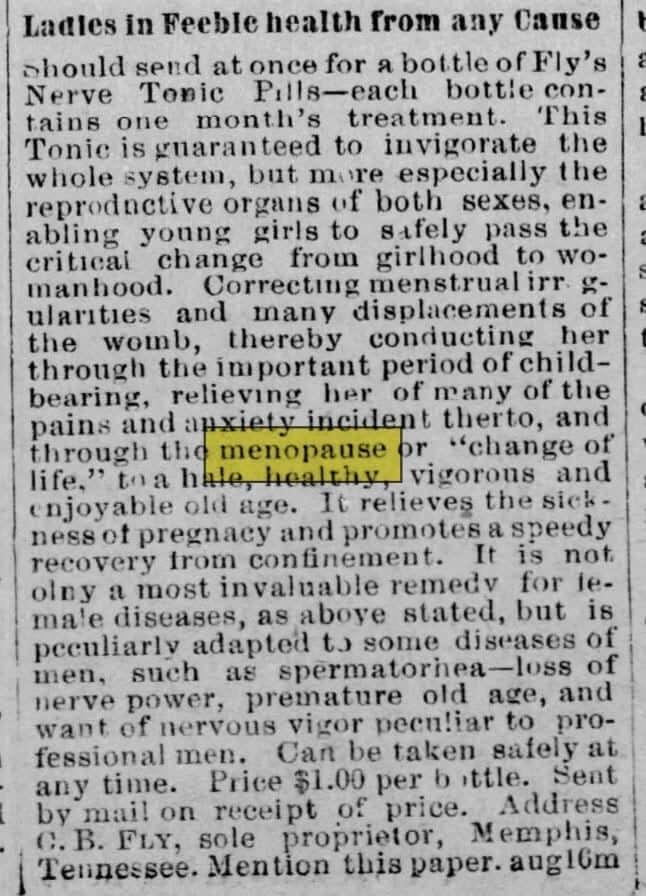
It is easy to spot the roll your eyes and laugh at the ludicrous nerve tonic in the paper below from Friday, Aug 09, 1889. Keep in mind, the story you beLIEve about the HRT is the exact same, just a slightly different spin put on it. What I would love to see is for people to wake up in real time and realize they are being played in the identical way. Until then, I will keep writing.
The Cure
I tell the people in my PURE membership the same thing every time someone reaches out about some diagnosis or another.
Before you come to me about what is wrong with you, first stop drinking alcohol. Stop nicotine. Stop weed. Stop sugar. Stop junk food. Stop caffeine. Then call me if something is still wrong.
No one ever calls.
It sounds like a joke. It isn’t. 90% of the time, they never make an appointment. The ones that do have systems that passed the point of immediate recovery. That is not a place you want to be.
What I am really saying is this: most people want addition when what they need is subtraction. They want a supplement, a hormone, a lab panel, a protocol. They want something new layered on top of everything they are already doing.
But the body does not heal in the face of ongoing toxic accumulation.
When you remove alcohol, the liver is no longer prioritizing ethanol breakdown. When you remove sugar, insulin stabilizes, and reactionary signaling decreases. When you remove nicotine and weed, stress chemistry begins to normalize. When you remove caffeine, sleep deepens, and cortisol patterns reset. When you remove processed chemicals, the burden on detox pathways decreases. When you stop screens and fear porn late into the night, your circadian rhythm recalibrates.
By the time someone has done that honestly for a few weeks, their sleep improves. Their mood stabilizes. Their digestion is regulated. Their energy returns. The “symptoms” they thought proved hormonal collapse began to dissolve.
So no one calls. Not because hormones are irrelevant, but because the offending noise was louder than the healing signal.
Step 1: Subtraction
If you remove the obvious destabilizers and symptoms improve, the problem was overload. If you remove them and nothing changes, then you investigate further. Most folks I work with say they are doing everything right, then brag about getting their hands on some Ivermectin or taking wild yam cream made by their favorite Australian hippy. Subtraction creates clarity. Without clarity, every lab value looks like pathology.
The modern environment layers constant chemical, metabolic, and emotional input onto a body designed for cycles and recovery. When cycles cease, that buffering capacity changes. If the load remains high, symptoms intensify. The answer is not to increase stimulation, aka estrogen. It is to reduce interference.
Step 2: Stop the Internal Destabilization
Look honestly at where you are.
How much excess body fat are you carrying? Adipose tissue is hormonally active. It shifts estrogen balance, increases inflammation, and alters insulin signaling. Anything over 5-10 pounds is a disaster to your hormones and health.
How much chronic stress are you living under? Are you constantly irritated, correcting others, trying to control outcomes that are not yours to control? Are you overworked but unwilling to change the structure of your life? Are you engaging in behaviors you already know are toxic?
And then the quieter piece: how do you speak about yourself?
When you joke about brain fog, about “falling apart,” about aging skin and sagging breasts, you reinforce decline as expectation. Chronic self-deprecation keeps the nervous system in a state of subtle stress. Stress chemistry is not abstract. It is measurable. It shifts cortisol, blood sugar, inflammatory signaling, and sleep.
Fear, anger, jealousy, resentment, and hate are not personality traits; they are endocrine events and hormonal output you can measure. They are also the worst possible of the toxins you can consume. You cannot live in constant emotional agitation and expect hormonal stability. Stopping the internal destabilization is as important as removing external chemicals.
Also, stop blaming anyone for your life but yourself. You are a grown woman; you need to start acting like it. Show us you have earned our respect.
Step 3: Restore Capacity
Once subtraction has created space, you rebuild. Remember, menopause is a new word to describe a toxic build up not a natural progression of aging. As a brilliant women in my telegram channel pointed out. If the detox pathway stops, then the toxins have to be released somewhere, so the night sweats or “hot flashes” are a new pathway to detox the ever accumulating garbage? Yes, exactly.
Drink real spring water from the source. Eat food grown from living soil. Let your eyes see every sunrise and sunset. Spend time in raw nature without distraction. Breathe forest air. Stand barefoot on the new spring grass. Move your body in ways that feel alive. Dance. Laugh fully. Enjoy animals in your home and life. Help someone without expecting anything in return.
Stop debating endlessly. Stop trying to convert others. Live a beautiful life as an example.
Spend an hour every day in undisturbed nature and stay present. Stop rehearsing grievances. Stop speaking toxic words.
Listen to your own voice and divine wisdom. Never again let someone else tell you what to put on your body.
Remember,
Hormone therapy is an addition. Addition without subtraction compounds instability. We need the balance just like nature’s blueprint.
Subtraction followed by restoration brings you back to baseline. From baseline, you make decisions clearly instead of reactively. Menopause was a delusion until you made it real. You also have the power to change your thinking. You can either believe a story from those profiting from your ignorance, or you can write your own.
That is the cure.
Simple isn’t it?
Disclaimer
The views expressed in this article are the author’s opinions, based on clinical experience, historical sources, public records, and secondary reporting. Where applicable, references to peer-reviewed and archival material are provided to support discussion of physiology and public health policy.
The author is a licensed Registered Nurse (RN) no longer working in the field. This article reflects professional observation and analysis, but it is not intended as individualized medical advice, diagnosis, or treatment. Readers should consult their own licensed healthcare professionals for personal medical decisions.
This piece is written for informational and educational purposes only. It does not allege proven legal wrongdoing by any named company or individual.
If you believe this article contains a factual error, or if you represent an entity mentioned and wish to provide source documentation or request a correction, please contact robin@purifywithin.com. Corrections will be made promptly where warranted.
Nothing in this article should be construed as legal advice. For legal guidance regarding publishing, liability, or defamation, consult a qualified attorney.
Rossouw, J. E., Anderson, G. L., Prentice, R. L., LaCroix, A. Z., Kooperberg, C., Stefanick, M. L., … Writing Group for the Women’s Health Initiative Investigators. (2002). Risks and benefits of estrogen plus progestin in healthy postmenopausal women. Journal of the American Medical Association, 288(3), 321–333.
Anderson, G. L., Limacher, M., Assaf, A. R., Bassford, T., Beresford, S. A., Black, H., … Women’s Health Initiative Steering Committee. (2004). Effects of conjugated equine estrogen in postmenopausal women with hysterectomy. Journal of the American Medical Association, 291(14), 1701–1712.
Manson, J. E., Chlebowski, R. T., Stefanick, M. L., Aragaki, A. K., Rossouw, J. E., Prentice, R. L., … Anderson, G. (2013). Menopausal hormone therapy and health outcomes during the intervention and extended poststopping phases of the Women’s Health Initiative randomized trials. Journal of the American Medical Association, 310(13), 1353–1368.
Chlebowski, R. T., Hendrix, S. L., Langer, R. D., Stefanick, M. L., Gass, M., Lane, D., … Prentice, R. L. (2003). Influence of estrogen plus progestin on breast cancer and mammography in healthy postmenopausal women. Journal of the American Medical Association, 289(24), 3243–3253.
Canonico, M., Plu-Bureau, G., Lowe, G. D. O., & Scarabin, P. Y. (2008). Hormone replacement therapy and risk of venous thromboembolism in postmenopausal women: Systematic review and meta-analysis. British Medical Journal, 336(7655), 1227–1231.
Scarabin, P. Y., Oger, E., & Plu-Bureau, G. (2003). Differential association of oral and transdermal oestrogen-replacement therapy with venous thromboembolism risk. Circulation, 107(23), 3066–3071.
Cushman, M., Kuller, L. H., Prentice, R., Rodabough, R. J., Psaty, B. M., Stafford, R. S., … Women’s Health Initiative Investigators. (2004). Estrogen plus progestin and risk of venous thrombosis. Journal of the American Medical Association, 292(13), 1573–1580.
Simpson, E. R. (2003). Sources of estrogen and their importance. Journal of Steroid Biochemistry and Molecular Biology, 86(3–5), 225–230.
Yager, J. D., & Davidson, N. E. (2006). Estrogen carcinogenesis in breast cancer. New England Journal of Medicine, 354(3), 270–282.
Cavalieri, E., & Rogan, E. (2011). Unbalanced metabolism of endogenous estrogens in the etiology and prevention of human cancer. Journal of Steroid Biochemistry and Molecular Biology, 125(3–5), 169–180.
Kaaks, R., Rinaldi, S., Key, T. J., Berrino, F., Peeters, P. H., Biessy, C., … Riboli, E. (2005). Postmenopausal serum androgens, estrogens and breast cancer risk. Endocrine-Related Cancer, 12(4), 1071–1082.
Selby, J. V., Friedman, G. D., Quesenberry, C. P., & Fireman, B. H. (1987). Sex hormone–binding globulin and cardiovascular disease. American Journal of Epidemiology, 126(5), 902–912.
The North American Menopause Society. (2022). The 2022 hormone therapy position statement of The North American Menopause Society. Menopause, 29(7), 767–794.
Diamanti-Kandarakis, E., Bourguignon, J. P., Giudice, L. C., Hauser, R., Prins, G. S., Soto, A. M., … Gore, A. C. (2009). Endocrine-disrupting chemicals: An Endocrine Society scientific statement. Endocrine Reviews, 30(4), 293–342.
Vandenberg, L. N., Colborn, T., Hayes, T. B., Heindel, J. J., Jacobs, D. R., Lee, D. H., … Myers, J. P. (2012). Hormones and endocrine-disrupting chemicals: Low-dose effects and nonmonotonic dose responses. Endocrine Reviews, 33(3), 378–455.