



I have never used an alarm to wake up; my sense of when to rise comes naturally, except for rare 0300 flights. I get the sleep I need without having to manage it. I never wake anyone, especially my son—sleep is sacred and deserves the same respect as studying or practice. When someone is sleeping, it should be protected, not interrupted for convenience or routine.
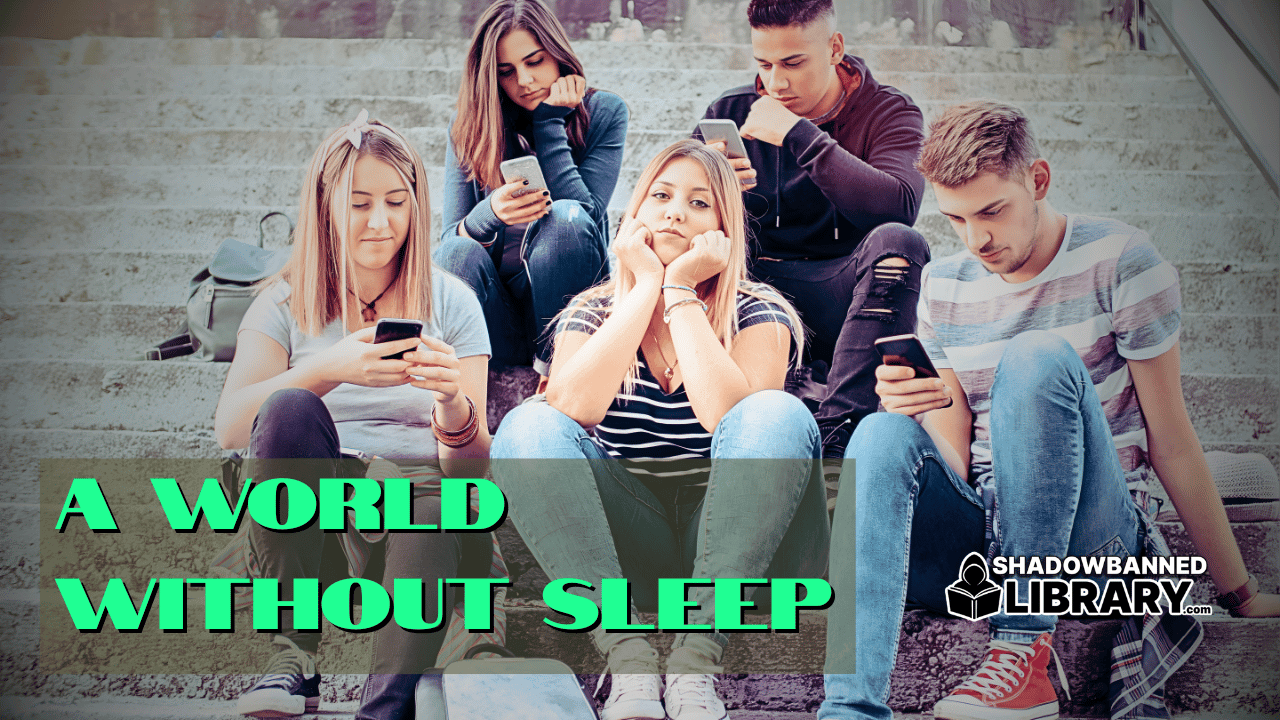
This was easy when my son was young, but as a teenager, I have to push him to wake up earlier than his body wants to. I know he would recover, grow, and function better with more sleep. Still, he chooses being with peers over sleeping in, and we’ve discussed it. I respect that choice, so he catches up on weekends. Still, I know this isn’t ideal for him.
Sleep problems are not rare. Roughly 1/3 of adults experience some form of sleep disruption. When you break it down by age, it gets worse, not better. Infants fall in the 20–30% range with regular sleep issues. Toddlers and young children range from 25% to 50%. School-aged children sit between 25–40%.
By adolescence, around 40% are dealing with sleep problems, and approximately 77% of high school students are not getting enough sleep. In older adults, that number climbs again to around 50%.
This is not a small subset of people. This is the majority of the population. Teenagers are where this becomes impossible to ignore. During adolescence, the brain is undergoing one of the most aggressive phases of development it will ever experience. There is rapid dendritic growth, meaning the branching connections between neurons are expanding rapidly to support higher learning, reasoning, memory, and behavioral adaptation. This is structural wiring, and it is not optional. It mirrors early developmental stages of infancy, which is why adolescents require significant amounts of sleep to support that process. Instead, that process is being cut short.
School systems are not built around biology; they are built around convenience. Teenagers are forced to wake up before their natural sleep cycle has completed, cutting off the stages of sleep that matter most. There is no adjustment to meet the demand. The workaround is stimulation. Not to mention, almost all parent I know force their kids to wake up early and get a job on the weekends or help with family activities.
Daily, not sometimes, teens guzzle energy drinks, caffeine, nicotine, and sugar. Try finding one who doesn’t start the day with a stimulant—it’s nearly impossible.

So now you have a brain in a critical growth phase, running on massive sleep deprivation. This is why your teenager now desperately wants to be a cog in the wheel, get a job at the Dollar Store, or deliver pizzas, until they leave for college, a quarter million in debt. They can pursue this path for one reason only: they aren’t able to think. The purposeful sleep deprivation won’t allow it. So mom and dad’s picking out a university for them and another 4 years of youth-stealing, waste-of-time now actually sounds good. When they started school as children, all they wanted to do was get out of the manufactured prison system. And now they are actually paying to stay in it.

, with REM cycles shortened or disrupted, and being artificially stimulated to compensate. That combination does not stay isolated from fatigue. It affects memory formation, emotional regulation, and long-term cognitive stability.
Once you understand what REM sleep actually does, you can see sleep problems less as personal failings and more as the result of a system that leads to predictable consequences. The critical next step, then, is to identify exactly what is disrupting your sleep so that you avoid joining the half of the population affected. At least half experience this, as the figure of 1.3 only includes those diagnosed and receiving medical treatment.
STIMULANTS: BORROWED ENERGY, STOLEN SLEEP
Most people are not managing energy; they are blocking fatigue by stimulating adrenaline and cortisol, making you fat and wired. Coffee in the morning, another hit mid-day, something to push through the afternoon. Add nicotine vapes, and the nervous system is being driven all day, and that becomes normal.
Caffeine does not create energy. It just blocks adenosine, the signal that builds sleep pressure in the brain. That pressure does not go away; it gets pushed to the side. Caffeine also does not clear when you stop feeling it. It remains active for eight to twelve hours, depending on the person and the dose, which means what you used in the morning is still active when your brain is supposed to transition into sleep. That is what is blocking your REM cycles. Your brain doesn’t have enough time to clear the stimulants and the cleanup chemicals to relax into deep sleep. Imagine what happens to the brain after a few decades of this.
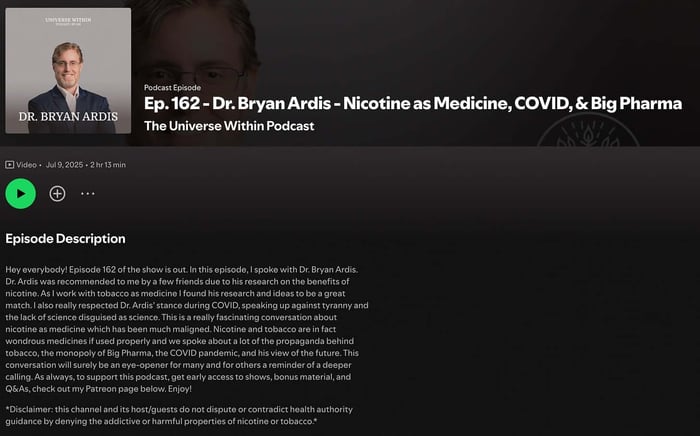
Nicotine also drives the same problem through a different mechanism. It stimulates the nervous system and then cycles into withdrawal. That cycle continues through the night. You do not need to fully wake up for it to interfere, because sleep can be fragmented without conscious awareness. The depth is reduced, and the stages where REM should stabilize are disrupted. Nicotine has experienced a resurgence thanks to corporate puppets like Brian ReTardis and others singing the praises of nicotine. Not to mention the unabashed marketing of flavored oils filled with heavy metals and a drop of synthetic nicotine to children and teenagers.

The focus is usually on whether someone can fall asleep, but that is not where the damage occurs. REM sleep requires the brain to fully downshift into a stable state. When stimulants are still active, that state is never fully reached. Sleep continues, but it remains shallow and incomplete, and the processes that normally occur during REM are reduced.
The next day repeats the same cycle: more stimulation to offset last night's loss, locking the pattern in place instead of breaking it.
ARTIFICIAL STIMULATION: THE BRAIN NEVER SHUTS OFF
Most people think they are relaxing at night. They are not. They are keeping the brain engaged. Streaming shows, scrolling, gaming, constant input, constant novelty. The brain is not built to separate entertainment from stimulation. It responds to input the same way whether it is a threat, a reward, or a screen. If it is engaging, it keeps the system active. If you are watching a gruesome crime show or an adrenaline-spiking chase scene, the brain reacts as if it were happening in real time. You release some chemicals that trigger the fight-or-flight response, also known as the sympathetic nervous system. These aren’t actually systems hanging out somewhere in your body ready to be activated, merely a way for a cascade of chemicals to be enacted if your senses pick up danger.
High-intensity content, like fast pacing, emotional swings, competition, or anything that drives adrenaline or dopamine, keeps the nervous system in an activated state. That state does not turn off just because the screen turns off. It carries forward.
Sleep requires a shift into a parasympathetic state (rest and digest) where the brain can disengage and cycle properly. When stimulation continues late into the night, that shift is delayed. The brain remains engaged longer than it should, delaying the onset of deeper sleep stages.
You might fall asleep, but it’s broken sleep. Transitions are jagged, cycles wrecked, and REM gets lost completely if your brain hasn’t powered down. It’s not rest. It’s surrender.
LIGHT: THE SIGNAL YOU DESTROY DAILY
Light isn’t just for seeing—it sets your brain’s internal clock. Your alertness and shutdown cues live and die by light levels. The system expects stark contrast: blinding daylight, then true darkness. Today, people marinate in artificial dullness—fake light by day, screen glow by night—and the whole cycle collapses.
Artificial light drags out the day. LEDs and screens hammer your brain, crushing melatonin, and delaying sleep. Just hours after this nightly push, your sleep cycle goes off a cliff. The cost? Your brain keeps humming while your body begs for quiet.
At the same time, there isn't enough natural light during the day. Most people do not spend meaningful time outside. The day happens through windows, filtered and reduced, without direct exposure to the full spectrum of sunlight. Watching the sun rise and set is not just routine; it triggers the cascade of signals that regulate the entire sleep cycle. Without that input, the body loses its reference points.
Even when people go outside, the signal is often blocked. Sunglasses block the amount of light reaching the eyes. Sunscreen blocks exposure to the skin. The body receives a weaker version of the signal it depends on, or misses it entirely.
With weak or late light cues, your sleep rhythm drifts. Sleep gets delayed, wake times are forced, and your brain misses its chance to rebuild. REM is the casualty.
TECHNOLOGY AND ENVIRONMENTAL LOAD
This is not about what you are doing, it is more bout what you are surrounded by. Phones are kept within arm’s reach, often on the bed or the nightstand next to your head. Wi Fi routers run continuously. Bluetooth devices stay active. Smart meters pulse in the background. There is no off switch. The environment stays active even when you are trying to shut down.
The closer these devices are to the body, the more constant the exposure becomes. It is not a single event; it is an ongoing condition. Night after night, the brain is expected to enter a stable sleep state in an environment that never actually settles.
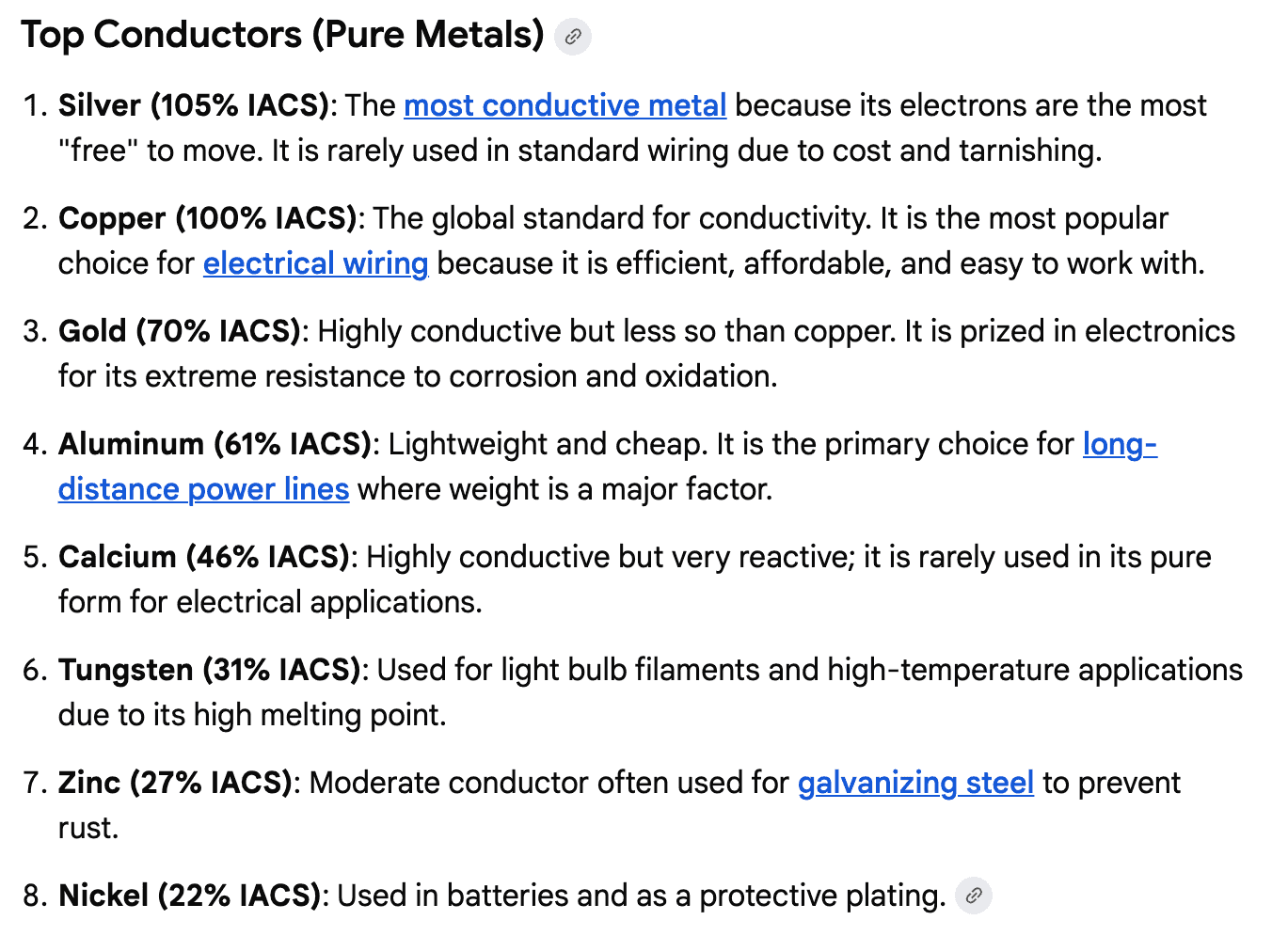
Layer in metals and environmental exposure. Copper and copper pipes, metals in chemtrails, and accumulation on the body and in the environment create a different kind of interaction with that constant signal load. It is not a single source; it is a combination that builds over time. The copper, one of the most conductive metals, bioaccumulates in the hair! This makes your antenna a perfect entry point for wifi, EMFs, and radio waves to infiltrate. More about this later, and Agent131711's groundbreaking research, which will shock even the most seasoned of conspirathists.
Wearables add another layer. Devices attached directly to the body throughout the night, tracking and transmitting, keeping the system in a state of feedback instead of leaving it alone. Sleep becomes something that is interfered with and measured at the same time. The Oura ring and the wearable watches you are wearing are preventing you from getting a better night's sleep.
Then there is the room itself. Low-level light, background noise, poor air quality, and a slightly off temperature. None of it is strong enough to fully wake you, but that is not required. The brain just needs to stay slightly activated to prevent full depth.
TOXINS AND EXPOSURES
This is the layer most people never consider because it is neither immediate nor obvious. Air quality alone can interfere with sleep. Particulate matter from traffic, industry, and fires is constantly being inhaled. It does not just affect the lungs. It affects the nervous system. Sleep becomes lighter, more fragmented, and less stable without you ever fully waking up.
Inside the home, the exposure continues. Volatile organic compounds from cleaners, fragrances, furniture, and moist building materials stay in the air. You breathe them all night. It is a constant, low-level input that the body must process rather than shut down.
Pesticides and herbicides add another layer. Residue on food, in the home, in the environment. These are not one-time exposures. They accumulate. Over time, they interfere with normal function, including sleep regulation.
Heavy metals follow the same pattern. Lead, mercury, aluminum, copper. They enter through water, food, air, and daily contact. They do not leave easily. The body stores them, and that load builds over time.
Even personal care products contribute. Shampoos, conditioners, lotions, fragrances. Applied daily, absorbed through the skin, adding to the total chemical burden the body is already managing. None of these needs to be extreme to have an effect. The problem is that they are constant. Every day, every night, layered on top of everything else.
SUPPLEMENTS AND “HEALTH PRODUCTS”
Vitamins, supplements, powders, protein pre- and post-workout drinks, anything marketed as support for energy, focus, or recovery. Taken daily, often without timing, without understanding form, and without considering how they affect the nervous system.
B vitamins are a common example. Taken late in the day, they can increase stimulation rather than reduce it. They are involved in energy production and neurological activity, both of which are disrupted at night. Vitamin B12 increases alertness by stimulating adrenaline and cortisol, and drives the system in the wrong direction/
Other supplements follow the same pattern. Ginseng, GABA, guarana, and similar compounds are stimulatory. They are marketed as natural, but the body does not distinguish between natural and artificial when it comes to activation. If it drives the system, it delays the transition into sleep and suppresses REM.
Even products that are not intended to stimulate can contribute. Poor quality control, contamination, and inconsistent dosing introduce variables that most people never account for. What is taken as a daily habit becomes another layer of input the body has to process.
Conclusion
At this point, it should be clear this is not one habit, one mistake, or one bad night of sleep. This is a stacked system. Stimulants, light, screens, environment, air, water, products, supplements. Layered, repeated, normalized. You are expected to enter the most complex recovery state your brain has, in the middle of constant interference, and then wonder why you wake up exhausted and do it again. The system is not failing. It is producing exactly what it is set up to produce.
What comes next is where this moves out of the background and into direct intervention. Prescription drugs that suppress REM by design. Sleep medications that replace natural cycles with sedation. And the one product almost everyone trusts, marketed as the solution to it all, may be doing more to disrupt the system than anything else. That is where this goes next.
References
Cajochen, C., Frey, S., Anders, D., Späti, J., Bues, M., Pross, A., Mager, R., Wirz-Justice, A., & Stefani, O. (2011). Evening exposure to a light-emitting diode (LED)-backlit computer screen affects circadian physiology and cognitive performance. Journal of Applied Physiology, 110(5), 1432–1438.
Chang, A. M., Aeschbach, D., Duffy, J. F., & Czeisler, C. A. (2015). Evening use of light-emitting eReaders negatively affects sleep, circadian timing, and next-morning alertness. Proceedings of the National Academy of Sciences, 112(4), 1232–1237.
Drake, C., Roehrs, T., Shambroom, J., & Roth, T. (2013). Caffeine effects on sleep taken 0, 3, or 6 hours before going to bed. Journal of Clinical Sleep Medicine, 9(11), 1195–1200.
Jaehne, A., Unbehaun, T., Feige, B., Lutz, U. C., Batra, A., & Riemann, D. (2009). How smoking affects sleep: A polysomnographical analysis. Sleep Medicine, 10(4), 490–495.
Hale, L., & Guan, S. (2015). Screen time and sleep among school-aged children and adolescents: A systematic literature review. Sleep Medicine Reviews, 21, 50–58.
Ohayon, M. M., Carskadon, M. A., Guilleminault, C., & Vitiello, M. V. (2004). Meta-analysis of quantitative sleep parameters from childhood to old age. Sleep, 27(7), 1255–1273.
Wright, K. P., Jr., Hughes, R. J., Kronauer, R. E., Dijk, D. J., & Czeisler, C. A. (2001). Intrinsic near-24-hour pacemaker period determines limits of circadian entrainment to a weak synchronizer in humans. Proceedings of the National Academy of Sciences, 98(24), 14027–14032.
Xie, L., Kang, H., Xu, Q., Chen, M. J., Liao, Y., Thiyagarajan, M., O’Donnell, J., Christensen, D. J., Nicholson, C., Iliff, J. J., Takano, T., & Nedergaard, M. (2013). Sleep drives metabolite clearance from the adult brain. Science, 342(6156), 373–377.






![Magnesium Vs. Zinc The Battle Royale That Ends the Debate [By Medicine Girl]](https://dropinblog.net/img/h6yzo8eq/700/94577ece-6b84-4d7c-b622-6e764231d715)