

It's a HOAX-DNA, RNA, GMO, CRISPR --Change the Name, Then Run the Game.
What we learned in the first article is not just that a vitamin was discovered. It’s that a drug model was created, invented, and scaled faster than the Federal Reserve turned everyone into their puppet slaves.
A problem was invented, then narrowed down to a single factor, which was devised into a chemical recipe for soup, and then reproduced using industrial processes that do not depend on soil, season, or supply. Once it could be made consistently, it could be scaled, standardized, and forced back into the food system as a solution.
Once Thiamine proved that the model worked, the financial floodgates were open. What followed was a rapid frenzy to find a batch of chemicals that they could replicate the same design and get out to the public without killing them. These corporate stiffs were identified, reproduced, and added to the burgeoning fortification market, where they were incorporated into processed, stored, and poisoned foods. That is an easy 100x on your investment.
The building blocks of vitamins, just like prescription drugs, came from industrial chemistry. I am not sure why those promoting the narrative that pharmaceutical injections and drugs are harmful, but if you call the EXACT same drugs vitamins and supplements and put a sassy influencer with a degree in natural medicine after the title, they accept it blindly.
Riboflavin, niacin, and pantothenic acid—Vitamin B2, Vitamin B3, and Vitamin B5—were flimflammed into being positioned as essential to metabolism itself and were almost immediately distributed broadly through fortified foods and supplements. How quickly the government jumped on the bandwagon. Whether it was just money that exchanged hands or some other agreement that has bound the US food system to the pharmaceutical system for eternity, I can’t say exactly. But whatever the agreement, we can assume that the 3-lettered agencies function the same as the corporate agencies, rubber-stamping whatever scheme they profit from. I can’t imagine they were stupid enough to think the population had a synthetic chemical deficiency. But again, observing how the government operates, it is not that much of a stretch.
It is time to shine a spotlight on what happens when they are produced industrially, added back into food, and consumed continuously, without regard for individual needs, context, or cumulative exposure.

Just a little fluorescent urine to light up the bathroom-so environmentally friendly of you.
Riboflavin (B2): The Glow in the Dark Vitamin
Of all the B vitamins, Vitamin B2 may be the easiest to recognize because it practically announces itself. It is a glowing yellow, strong enough to be used not only in supplements and fortified foods but also as a coloring agent. Again, I shake my head in disbelief. The latter, freedom communities are all lathered up about food dyes and artificial colors in food, yet have zero issue taking artificial food dyes if they do nothing else but change the name to “vitamin”.
The same chemical compound, never found in nature and promoted as part of the “energy vitamin” system, is also used to alter the appearance of processed products, cereals, drinks, and food mixtures. That alone should tell people something important about where modern nutrition ended up. These compounds are ingredients added into formulations to make dead, lifeless food appear more nutritious and appetizing.
And unlike most additives, riboflavin gives immediate feedback after consumption. Anyone who has taken a strong B-complex supplement has seen it happen. Within hours, urine turns fluorescent yellow, sometimes almost glowing under bright light. That color comes from excess riboflavin being excreted because the body flushes out what is toxic. Maybe even the piss guzzling communities can crank their brain cells awake to see that? Or maybe that is the connoisseurs crème de la crème?

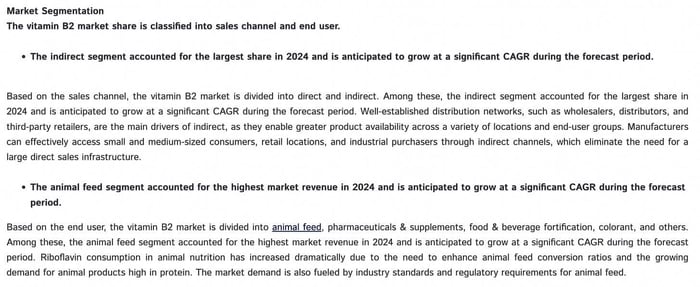
What almost nobody realizes is that riboflavin stopped being a “food nutrient” a long time ago. It became a manufactured industrial output for the pharmaceutical and animal feed industries. Nothing to see here, folks—just massive smoke-and-mirror marketing around a fluorescent food dye.
I pointed this out in my article, Bayer’s Dirty Secret, where I show in detail how Bayer was once a textile and dye manufacturing company that discovered larger profit margins in pharmaceuticals. They essentially changed the sign out front while continuing to use many of the same industrial dyes and chemical processes once used for textiles—only now repackaged into pharmaceuticals, vitamins, and supplements.
I think even second-rate grifters like Cloof dos Oral could see that.
Enter stage Convid 19, and just when you thought it couldn’t possibly be monetized further…the good ol’ PCR test. It’s back, but this time they use it for tracking and tracing inside your body. The glowing property that researchers now use in fluorescent tracer studies is extremely valuable to the medical industrial complex. Riboflavin fluoresces so reliably under ultraviolet light that scientists use it to trace aerosol spread, make up contamination patterns, and study microscopic particle movement through biological systems. Researchers found that even after being aerosolized into tiny airborne droplets, the compound still glowed brightly enough to be tracked under UV systems. Meaning, it stays embedded in your body like some glow-in-the-dark nuclear waste. Oh, wait, it is like some glow-in-the-dark nuclear waste that stays locked in your body.
Think about how strange that really is for a moment.
The same compound, added to breakfast cereals, energy drinks, vitamin waters, supplements, fortified flour, and processed foods, is also useful as a biological tracking dye because of its intense fluorescence after moving through the body and the environment. And they are not tracking a virus and contamination through your body; they are tracking their toxins through your body to learn more about what exactly?
And once riboflavin became industrially viable and scalable, the race to mass-produce it exploded.
By the mid-to-late twentieth century, vitamin manufacturing shifted away from chemical creation and extraction and toward microbial fermentation because fermentation could produce enormous quantities continuously at lower cost. Entire industries formed around bacterial and fungal production systems capable of generating riboflavin at an industrial scale inside stainless-steel bioreactors the size of small buildings. There was only one small problem. You couldn’t patent the bacteria. Oh, wait, you can if you “genetically” modify it. And what an absolute clown show that is. If you held out any hope that there were some vitamins or supplements that were actually good for you, this article should allow you to firmly plant your hand on your forehead and say, “I can’t believe I ever thought vitamins were good for me”.
Modern production facilities run continuously, using living microorganisms that are fed around the clock through carefully controlled nutrient systems. Sugar streams, nitrogen feeds, oxygenation systems, mineral balancing, acidity control, temperature regulation, and waste management are all optimized to keep the organisms alive and producing without interruption. Industrial microbiology operates more like factory farming than like chemistry.
And the organisms themselves became incredibly valuable.
Certain strains of Bacillus subtilis and Ashbya gossypii can produce dramatically higher riboflavin yields than ordinary “wild” organisms. But here is the problem with that idea. It isn’t the bacteria that have changed-you can’t do that. Sorry to those addicted to fear porn, but you can’t use CRISPR tech and change it. They lied about that so they could patent the bacteria.
Even tiny improvements in production efficiency can yield millions of dollars in annual savings, since vitamin manufacturing operates on massive global volumes. A strain capable of producing just a few percentage points more output can dominate competitors across international supply chains. But again, it is not the strain particularly, but the maga sugar steroid juice you feed your ravenous bacteria that makes the difference. That is why companies guard these organisms' food baths with obsessive care.
Frozen “master seed” banks are maintained under tightly controlled storage conditions. Backup cultures are preserved in secure facilities. Fermentation methods are treated as trade secrets. Production contamination can destroy entire batches and cost enormous amounts of money, so facilities monitor organisms constantly to prevent terrain drift, bacterial collapse, or outside contamination.
Back to the sleight of hand to get a patent. The industry describes these systems using terms like metabolic engineering, strain optimization, RNA sequencing, CRISPR enhancement, and pathway modification. The technologies absolutely do not exist at an industrial scale or even in Dad’s basement lab level. As long as microorganisms continue to receive sugar, nutrients, oxygen, and favorable growth conditions, they will continue to reproduce and produce metabolic byproducts. The process is no different from maintaining a sourdough starter or a brewery culture indefinitely by continuously feeding it. Busted!
So, yeah, we don’t need your made-up CRISPR tech or your ridiculous stories of how you extract DNA, insert RNA, and lie about getting a novel cDNA you can patent. I think they believe the population is so stupid at this point that they will accept even the most asinine stories they can come up with. It’s like they smoke a bowl, have a few gin tonics, and brainstorm new ways to fleece the public, betting each other on how outlandish the stories are that people will still blindly accept. CRISPR, my friends, is that drunken session.
The real scam is not that companies “invented” vitamin B2, but that they figured out how to patent the machinery used to mass-produce it and then market the entire operation as revolutionary biotechnology.
Corporations build enormous profit empires by patenting engineered bacteria, cDNA constructs, fermentation pathways, and proprietary production methods surrounding them. Once they own the patent to a high-yield bacterial strain that can pump out massive amounts of vitamin B2 at an industrial scale, they effectively control the cheapest manufacturing process on the planet. That means competitors either pay licensing fees, develop an entirely different production system, or get crushed economically.
The brilliance of the scheme is that the public hears words like CRISPR, RNA sequencing, metabolic engineering, and synthetic biology and imagines futuristic scientific wizardry, when in reality it still boils down to glorified fermentation tanks that feed microorganisms sugar, oxygen, and nutrients so they continuously excrete metabolic byproducts. The patent is about monopolizing the lowest-cost industrial output while wrapping it in the language of cutting-edge science to own and monetize the natural world. Then the same industry turns around and sells the public a fluorescent compound manufactured in giant microbial vats as though it were some pristine health product born from innovation rather than an optimized commodity chemical process.
Meanwhile, behind the scenes are glowing tracer compounds, proprietary microorganisms, fermentation monopolies, billion-dollar bacterial strains, industrial nutrient tanks, and continuously running microbial factories producing compounds that are later added back into processed food systems as “fortification.” I can almost hear the money machines turning in the stuffed suits' evil brains

Niacin (B3): When a Vitamin Starts Acting Like a Drug
B3-The Hidden Cholesterol Drug
First, the reason they told you to take niacin: pellagra. The history of pellagra raises many of the same questions that appeared earlier with beriberi. By the early 1900s, the poison they used to make people sick, the made-up symptoms from the poisons they used but called pellagra, had spread heavily through poor populations in the American South, particularly among people living on limited industrial food staples like cornmeal, molasses, and processed grains.
The official explanation eventually narrowed the condition almost entirely to niacin deficiency, but the environments surrounding pellagra outbreaks were far more complicated. These populations were also dealing with severe poverty, food spoilage, chronic infections, poor sanitation, contaminated storage conditions, industrial milling changes, and exposure to chemically sprayed and contaminated grain products. Even scientists at the time raised alarm bells, saying the explanation didn’t fit anything but a financial model.
Once niacin became accepted as the answer, however, the solution fit perfectly into the emerging fortification model already taking shape within the food and pharmaceutical industries: isolate the compound, manufacture it cheaply at scale, and add it back into the food supply as a standardized intervention.
Before the stories uncovering vitamins get worse, I want to warn you: they get a whole lot worse before they get even worse. Well, worse if you sell vitamins and rake in the profits. It is only a matter of time before the class-action lawsuits start rolling in. Hopefully, they tank a few bank accounts along the way.
Unlike riboflavin, vitamin B3 does not move quietly through the body. The flushing, the burning, the redness, the heat, your body reacts in real time like an alarm bell going off. Of course, the industry spins this into a “feature” instead of a warning sign. The same corporations manufacturing these compounds in industrial fermentation systems market the reaction as proof that the product is “working,” while consumers are conditioned to ignore what their own physiology is screaming at them.
People taking high-dose niacin often describe the same experience the first time: heat rising into the face and chest, skin turning red, itching, tingling, a pounding heartbeat, sweating, dizziness, and a sudden wave of warmth so strong that many people genuinely think something is medically wrong. This reaction became so common that it was given its own sanitized medical term: “the niacin flush.”
And somehow the public was trained to interpret this not as a warning sign, but as proof the compound was “working.”
If a pharmaceutical drug caused sudden burning skin, intense vasodilation, glucose disruption, liver stress, and systemic reactions so strong that companies had to invent “no-flush” versions to improve compliance, people would immediately recognize it as a potent, biologically active substance. But place the word “vitamin” on the label and the entire psychological framing changes.
That framing became extremely profitable once niacin entered the cholesterol market.
For years, niacin was heavily promoted because it could alter lipid profiles in measurable ways. HDL cholesterol increased. LDL cholesterol could decrease. Triglycerides shifted. On paper, the numbers looked impressive enough that niacin became one of the most aggressively promoted “heart health” interventions in nutritional medicine. Of course, thinking adults know that LDL isn’t bad, the body doesn’t produce lipids that are bad for itself any more than it attacks itself as they claim in fake “autoimmune” disorders.
And this is where the line between nutrients and pharmaceuticals becomes very hard to see.
Because once compounds are used at gram-level doses to manipulate blood chemistry and alter biomarkers, they are acting pharmacologically. That distinction matters because the body responds accordingly.
High-dose niacin has been associated with:
liver toxicity
insulin resistance and elevated blood sugar
increased uric acid levels
gastrointestinal distress
vascular reactions
metabolic disruption
Shockingly basic and tired for the industry. And yet for years, the focus remained fixed almost entirely on cholesterol numbers. This pattern should sound yawningly familiar by now. The wet dream is to find a batch of chemicals that doesn’t kill you but changes a value on a blood lab, so they can gleefully point to it and say, "Look, Madge, it’s working." Meanwhile, your hair is falling out, you have a front butt, and you forgot your middle name.
Modern medicine repeatedly treats surrogate markers as though changing the numbers automatically improves health outcomes. It never does. Lower the cholesterol. Raise the HDL. Adjust the lab values. But eventually, larger outcome studies began to undermine the niacin narrative itself.
Large clinical trials such as AIM-HIGH and HPS2-THRIVE produced unexpected results. Despite successfully improving cholesterol markers, niacin supplementation failed to significantly improve cardiovascular outcomes as researchers expected. In some cases, the side effects and complications became impossible to ignore.
And then the story became even stranger.
In 2024, researchers identified a niacin metabolite, 4PY, that may be linked to vascular inflammation and increased cardiovascular risk. Suddenly, the same compound, once aggressively marketed for heart protection, was being examined for its potential role in inflammatory pathways linked to heart disease. What a surprise that lab-made chemicals destroy your health. Yes, all of them destroy your health over time, but they either give you the bloom of adrenaline that comes from taking poison or the cult leaders’ favorite trick: changing a lab value.
That reversal tells you something important about the modern supplement and pharmaceutical world: compounds are always marketed aggressively long before their long-term systemic effects are fully understood. Well, let’s be honest—they couldn't care less about the long-term effects since they already raked in enough money to quiet the irritants complaining their health was destroyed. And niacin begins exposing another uncomfortable similarity between vitamins and pharmaceutical drugs.
Many cholesterol-lowering medications alter hormone levels, blood sugar regulation, inflammatory signaling, and metabolic pathways, yet are marketed primarily through a narrow lens focused on lipid reduction. Some statin users report fatigue, reduced testosterone, muscle weakness, glucose dysregulation, and broader metabolic side effects despite improved cholesterol numbers on paper. Niacin followed a strangely parallel path. The focus remained on biomarker manipulation, while broader physiological consequences remained secondary.
At some point, the obvious question has to be asked: When does a vitamin stop behaving like a nutrient and start behaving like a drug? Never. There is never a time, because there is never a difference between a vitamin and a pharmaceutical. Captain Obvious is having a field day with this article.
Pantothenic Acid (B5): The Vitamin That Ended Up Everywhere
By the time the industry arrived at Vitamin B5, the pattern was fully established.
The name itself comes from the Greek word pantothen, meaning “from everywhere,” because pantothenic acid is said to exist in meat, eggs, potatoes, mushrooms, dairy, whole grains, and vegetables; it was never considered especially rare in ordinary diets. True deficiency outside of extreme starvation, severe malnutrition, or laboratory conditions has historically been uncommon.
And yet somehow it still became another compound added back into processed foods, supplements, fortified products, energy blends, sports formulas, cosmetic products, animal feed, and industrial nutrition systems almost automatically.
That should raise a simple question.
If something already exists widely across the food supply and a genuine deficiency is considered rare, at what point does fortification stop being targeted nutrition and become an industrial habit? This proves they KNOW these compounds don’t exist in the foods they claim you need to eat for the “vitamins,” but rather just a way to sell you back chemicals in your diet.
Pantothenic acid rarely attracts the controversy surrounding niacin because its effects are not as immediate or dramatic. There is no niacin flush. No glowing tracer effect like riboflavin. No obvious visible reaction that makes people stop and think about what is happening inside the body. Instead, B5 became folded quietly into the expanding logic of the supplement industry itself: more energy, more metabolism, more optimization, more support. They didn’t have the modern made-up fantasy about mitochondrial production and ATP as today’s grifters use, but que sera sera.
Industrial production of Vitamin B5 involves a multi-step chemical synthesis process using petrochemical-derived intermediates and laboratory reagents. You know, like all vitamins are. Production involves compounds such as formaldehyde, isobutyraldehyde, calcium hydroxide, ammonia, methanol, and various cyanide-derived intermediates, which are used to construct the pantothenic acid backbone before purification and stabilization into calcium pantothenate, the common supplemental form found in fortified foods and vitamins. Hope your kids and pets like formaldehyde and a sprinkle of cyanide in their cereal and kibble flakes, because boy, are they getting them whether they like it or not.

Modern manufacturing may also combine chemical synthesis with fermentation-assisted stages to improve yield and lower production costs. By the time the final white crystalline powder reaches supplements or enriched foods, the industrial process behind it looks far closer to pharmaceutical manufacturing and industrial chemistry than anything most people associate with traditional nutrition. The McDonald’s and Subway of the vitamin world.

If McDonald's and Subway were selling vitamins-wait, they are, in their manufactured frankenfood.
Riboflavin revealed the fluorescent industrial world behind fortification. Niacin revealed what happens when a “vitamin” behaves more like a pharmacological intervention than a passive nutrient. Pantothenic acid shows the final stage of normalization, where compounds become so embedded into processed food systems that almost nobody stops to ask why they are there anymore.
And that may be the most important pattern in the entire B-vitamin story.
Because once compounds are normalized through fortification, supplementation, sports nutrition, processed foods, and daily intake recommendations, questioning the system itself sounds unreasonable—even as the science surrounding long-term exposure, high-dose intake, metabolic interactions, and cumulative effects continues to evolve in real time.
Conclusion
Once the model was established—identify a condition, isolate a compound, manufacture it industrially, and distribute it back through fortification and supplementation—the expansion into the rest of the B-vitamin family was inevitable.
Riboflavin revealed a world of fluorescent tracer compounds, proprietary bacterial strains, and industrial fermentation systems operating continuously behind the harmless-sounding label of “vitamin.” Niacin exposed the uncomfortable moment where a nutrient begins behaving more like a pharmacological agent, producing reactions powerful enough to alter circulation, metabolism, liver function, inflammatory pathways, and cardiovascular risk markers while still being marketed under the reassuring language of wellness and prevention. Pantothenic acid demonstrated that these compounds were fully normalized once fortification shifted from a targeted intervention to a routine industrial practice.
The modern vitamin industry presents itself as the triumph of nutritional science over made-up, manufactured deficiency diseases. But behind that image sits a massive industrial system built on chemical synthesis, fermentation-based economies, proprietary microorganisms, fortified food infrastructure, biomarker manipulation, and a global market worth hundreds of billions of dollars, most of it within the pharmaceutical industry.
That system continues expanding every year. Why haven’t we solved the deficiencies by this point? Oh, that’s right, the soils are depleted, myth everyone swallowed up like Zack Bushies plastic-infused dirt water.
And the next vitamins in this series may raise even more uncomfortable questions, if that is even possible.
Next comes Vitamin B6—the vitamin linked to a very specific damage at surprisingly common supplemental doses, and a certain compound now interfering with laboratory diagnostics strongly enough that hospitals and regulatory agencies have issued warnings about distorted blood test results.
And once you start looking closely at vitamins that can alter neurological function, interfere with medical diagnostics, and produce systemic physiological reactions at concentrated doses, one question becomes impossible to avoid:
At what point did we throw away our logic and reasoning and start beLIEving the white coats, influencers, and public parrots? And can we all please stop doing that now?
References
Ferrell, M., Wang, Z., Anderson, J. T., Li, X. S., Witkowski, M., DiDonato, J. A., Hilser, J. R., Hartiala, J. A., Haghikia, A., Cajka, T., Fiehn, O., Sangwan, N., Demuth, I., König, M., Steinhagen-Thiessen, E., Landmesser, U., Tang, W. H. W., Allayee, H., & Hazen, S. L. (2024). A terminal metabolite of niacin promotes vascular inflammation and contributes to cardiovascular disease risk. Nature Medicine, 30(2), 424–434. https://doi.org/10.1038/s41591-023-02793-8
Institute of Medicine (US) Standing Committee on the Scientific Evaluation of Dietary Reference Intakes. (1998). Dietary reference intakes for thiamin, riboflavin, niacin, vitamin B6, folate, vitamin B12, pantothenic acid, biotin, and choline. National Academies Press.
National Institutes of Health. (2024, March 12). How excess niacin may promote cardiovascular disease. NIH Research Matters. https://www.nih.gov/news-events/nih-research-matters/how-excess-niacin-may-promote-cardiovascular-disease
Schoenen, J., Lenaerts, M., & Bastings, E. (1994). High-dose riboflavin as a prophylactic treatment of migraine: Results of an open pilot study. Cephalalgia, 14(5), 328–329. https://doi.org/10.1046/j.1468-2982.1994.1405328.x
Sim, E. S., Dharmarajan, H., Boorgu, D. S. S. K., Goyal, L., Weinstock, M., Whelan, R., Freiser, M. E., Corcoran, T. E., Jabbour, N., Wang, E., & Chi, D. H. (2021). Novel use of vitamin B2 as a fluorescent tracer in aerosol and droplet contamination models in otolaryngology. Annals of Otology, Rhinology & Laryngology, 130(3), 280–285. https://doi.org/10.1177/0003489420949588
Tang, W. H. W., DiDonato, J. A., Allayee, H., & Hazen, S. L. (2024). Reply to correspondence regarding niacin and cardiovascular safety. Nature Medicine, 30(9), 2448–2449. https://doi.org/10.1038/s41591-024-03222-0
Thompson, D. F., & Saluja, H. S. (2017). Prophylaxis of migraine headaches with riboflavin: A systematic review. Journal of Clinical Pharmacy and Therapeutics, 42(4), 394–403. https://doi.org/10.1111/jcpt.12548
U.S. Department of Health and Human Services, National Institutes of Health, Office of Dietary Supplements. (2022). Riboflavin fact sheet for health professionals. https://ods.od.nih.gov/factsheets/Riboflavin-HealthProfessional/
U.S. Department of Health and Human Services, National Institutes of Health, Office of Dietary Supplements. (2023). Niacin fact sheet for health professionals. https://ods.od.nih.gov/factsheets/Niacin-HealthProfessional/
U.S. Department of Health and Human Services, National Institutes of Health, Office of Dietary Supplements. (2023). Pantothenic acid fact sheet for health professionals. https://ods.od.nih.gov/factsheets/PantothenicAcid-HealthProfessional/
Disclaimer
The views expressed in this article are the author’s opinions, based on clinical experience, historical sources, public records, and secondary reporting. Where applicable, references to peer-reviewed and archival material are provided to support discussion of physiology and public health policy.
The author is a licensed Registered Nurse (RN) no longer working in the field. This article reflects professional observation and analysis, but it is not intended as individualized medical advice, diagnosis, or treatment. Readers should consult their own licensed healthcare professionals for personal medical decisions.
This piece is written for informational and educational purposes only. It does not allege proven legal wrongdoing by any named company or individual.
If you believe this article contains a factual error, or if you represent an entity mentioned and wish to provide source documentation or request a correction, please contact robin@purifywithin.com. Corrections will be made promptly where warranted.
Nothing in this article should be construed as medical or legal advice. For legal guidance regarding publishing, liability, or defamation, consult a qualified attorney.
![The Great Vitamin Liars Vitamins [Part 1 By Medicine Girl]](https://dropinblog.net/cdn-cgi/image/fit=scale-down,format=auto,width=700/34264201/files/featured/0c2c0703-aac4-4a09-8bbb-aa55f98bf33e.png)

![Magnesium Vs. Zinc The Battle Royale That Ends the Debate [By Medicine Girl]](https://dropinblog.net/img/h6yzo8eq/700/94577ece-6b84-4d7c-b622-6e764231d715)