


Introduction: The Synthetic Pregnancy Vitamin
By this point in the series, a pattern should already be more than obvious. From B1 through B8, the pharmaceutical-vitamin industry repeatedly followed the same progression: researchers observed disease states or symptom clusters in populations living under conditions of massive malnutrition, industrialized, synthetic-infused diets, stress, infection, pregnancy, poverty, environmental hardship, or chemical exposure. Opportunistic Scientists then searched for nutritional factors associated with improvement, chemically separated compounds from foods or biological mixtures, reproduced those compounds synthetically, and eventually standardized them into industrial ingredients sold back to the public through supplements, fortified foods, pharmaceuticals, prenatal products, animal feed, and public-health programs. Again, when this occurs, you have entered a category more profitable than any Ponzi scheme ever invented.
The further my B series progressed, the more difficult it became to maintain the idea that vitamins are even remotely related to “food in a capsule.” B6 crossed into neurological territory and became associated with causing peripheral neuropathy severe enough to resemble the deficiency symptoms it was promoted to prevent. B7 inside the beauty and wellness market while interfering with cardiac and thyroid laboratory testing. B8 lost its official vitamin classification altogether because the body can synthesize it, yet it continues to be recommended therapeutically for fertility, insulin signaling, gestational diabetes, mood disorders, metabolic syndrome, and reproductive dysfunction at gram-level doses more consistent with pharmacological intervention than ordinary nutrition. By the way, the body also makes “vitamin D3,” yet it is still classified as a vitamin, so it looks to me that they make up the rules as they go along.
Medicine Girl’s Substack is a reader-supported publication. To receive new posts and support my work, consider becoming a free or paid subscriber.
At the same time, the manufacturing side of the industry revealed the reality involved industrial fermentation systems with shady patented strains of “new” GMO bacteria, chemical hydrolysis, chemical extraction processes, acids, solvents, catalysts, agricultural waste streams, petroleum-linked intermediates, and large-scale biochemical manufacturing designed for shelf stability, scalability, and regulatory standardization.
Now the series arrives at folic acid.
Unlike earlier B vitamins, which were primarily associated with metabolism, nerves, or wellness marketing, folic acid became directly linked to pregnancy and fetal development. Once researchers linked B9 to neural tube defects, the compound moved beyond supplements into public health policy itself, exactly where they want it. Prenatal vitamins, fortified flour, enriched grain products, breakfast cereals, methylation protocols, MTHFR testing (another entire article is needed on this latest smokie mirror), and mandatory fortification programs transformed synthetic folic acid into one of the most widespread biochemical interventions in modern nutritional history.
But the foundation underneath that intervention was far less settled than the public was taught to believe.
The Birth of the “Wills Factor”
The folic acid story begins in the late 1920s and early 1930s with British hematologist Lucy Wills, who studied severe macrocytic anemia in pregnant textile workers living in colonial India. These women were not participating in tightly controlled modern metabolic ward studies where every variable except one nutrient was isolated. They were living under conditions involving extreme poverty, poor sanitation, chronic infections, newly added pregnancy stress, inadequate intake, low protein intake, multiple nutritional deficiencies, environmental hardship, and physically demanding labor.
Researchers observed that some women improved after receiving brewer’s yeast or liver extracts. Brewer’s yeast preparations at the time contained enormous mixtures of biologically active nutrients and compounds: proteins, peptides, amino acids, minerals, nucleic acids, fermentation byproducts, and enzymes, all existing together in crude biological mixtures. Liver extracts were equally complex.
This is where the modern nutritional narrative often becomes misleadingly simplified and downright wrong.
The public is taught that scientists discovered a single missing vitamin responsible for anemia. But the original observations did not prove that. Researchers observed physiological improvements after administering highly complex biological mixtures to severely stressed populations suffering from both nutritional and environmental problems.
From there, scientists began chemically separating these mixtures into fractions using extraction techniques, filtration systems, and other methods. Eventually, researchers proposed the existence of a nutritional factor involved in blood formation that became known as the “Wills factor.”
That progression sounds scientific and orderly, but it depended heavily on reductionist assumptions. Researchers began with extraordinarily complex living systems that include pregnancy, stress physiology, environmental hardship, mixed diets, microbial interactions, infection burden, and multiple simultaneous deficiencies. They then gradually reduced those systems to the idea that a single isolated factor explained the observed biological response. That is a very different claim from proving one isolated molecule independently caused the improvement.
How Scientists “Isolated” Folic Acid From Spinach
Eventually, researchers connected folate compounds to leafy vegetables such as spinach, giving rise to the term folatefrom the Latin folium, meaning leaf. But even here, the public version of the story often hides the actual chemistry involved.
Scientists did not simply discover folic acid naturally floating inside spinach waiting to be removed intact like a jewel from a plant. Food matter had to be chemically disrupted. This became one of the central assumptions of modern vitamin science:
That allegedly isolating (there is no such thing; you are making a new chemical concoction, not an isolate) a fraction from a food somehow proves the isolated compound behaves identically to the original food itself.
Spinach does not contain folic acid; instead, it contains thousands of interacting compounds operating within a living biological matrix: minerals, enzymes, pigments, fibers, cofactors, phytochemicals, carbohydrates, proteins, microbial interactions, and complex folate forms that exist in reduced, biologically active states. Once researchers chemically dismantle that complexity and isolate a single fraction, they are no longer studying spinach as a whole food. They are studying the biological effects of one chemically created synthetic component under artificial laboratory conditions.
The synthetic folic acid eventually used in supplements and fortification programs also differs chemically from the reduced folate forms they allege are found in foods. Synthetic folic acid is an oxidized compound used industrially because it is inexpensive, shelf-stable, resistant to degradation during storage and processing, easy to manufacture at scale, and compatible with large-scale fortification systems.
Even decades later, FDA historical records acknowledged that the evidence connecting folic acid directly to neural tube defect prevention remains heavily debated and incomplete. Regulators questioned whether pharmacological-dose studies involving women with previous neural tube defect pregnancies justified exposing entire populations to synthetic folic acid through staple foods, while internal discussions raised concerns involving dosage, long-term exposure, and vitamin B12 masking.
Once folic acid became associated with pregnancy and birth defects, the scientific debate rapidly narrowed. The public was no longer being asked to evaluate complex biochemical evidence, reductionist nutritional theory, or long-term population exposure. They were being asked whether they wanted healthy babies. That emotional shift changed the entire trajectory of folic acid forever and cemented it into the category of “what if”? The most effective strategy of the pharmaceutical industry. What if I don’t take this toxic synthetic pill, and my baby is damaged as a result?
The Wills Factor and the Industrial Logic of the Cheap Fix
The deeper problem with the Wills factor story is that Lucy clearly observed something important. Pregnant women with severe macrocytic anemia (caused by severe malnutrition, toxic work environments, extreme stress, and so much more) improved when given concentrated biological preparations such as liver extract and yeast extract. The problem is what the system did with that observation. Instead of treating the anemia as evidence of a collapsing food and labor environment, the discovery was narrowed into a missing-factor story that fit perfectly into the economics of industrial society. Meaning, Lucy was likely hired to find the cheapest possible alternative to get the women back to work in the factories without risking the company’s bottom line.
These women were not simply “low in folate”; they were pregnant textile workers living under poverty, poor sanitation, inadequate diets, exhausting labor, and limited access to fresh foods. Pregnancy was the breaking point. A woman already surviving on a stripped-down diet could sometimes scrape by until pregnancy demanded rapid blood expansion, fetal growth, tissue building, and constant cellular replication. Then the body hit the wall. The anemia was not happening in a vacuum. It was the biological bill coming due.
That is what makes the Marmite story so revealing. Marmite was not magic. It was a concentrated yeast extract, an industrial byproduct of brewing, shelf-stable, cheap, portable, and easy to distribute. Liver extract also worked, but liver was expensive, culturally complicated for some patients, and harder to scale across poor working populations. Fresh greens, fruit, eggs, milk, meat, liver, access to clean food, and better meals would have changed the outcome by addressing the broader nutritional collapse rather than isolating a single factor. But the world runs on dollars and cents, so we know what “solution” they go with.
This is the same logic that would later become fortification culture. Do not rebuild the food system. Do not ask why staple grains were stripped in the first place. Do not ask why pregnant women could not access the foods their bodies needed. Identify the missing compound, manufacture it, add it back, and mark the intervention as complete. That is where the money lies, not in feeding the slaves proper nutrition. And still those who find exception to my articles work themselves into a lathered frenzy over it. They are still defending these toxic solutions for sick factory workers in India. They make up the story, the masses beLIEve, and the snake oil swindle continues. Seems we have learned nothing in 100 years.
But this is why the Wills factor matters so much. It created the template. A population is made vulnerable by industrial food and labor conditions; the body breaks down; researchers identify a chemical soup and produce the cheapest, stable replacement; and the public is told the problem has been solved. The suffering conditions remain in the background while the fake chemical fix becomes the hero of the story. Remember, the yeast that cured the women had actual nutrition in it. They could have cured it with oranges and liver or beets and eggs. But they chose the cheapest for obvious reasons.
Once that model is accepted, it becomes very hard to stop. Today, the same mindset is everywhere: fortified flour instead of intact grains, prenatal vitamins instead of actual nutrition, energy drinks instead of rest, supplements instead of food quality, magnesium instead of detoxing, symptom suppression instead of removing the insult. The system does not need people thriving. It needs them to be functional enough to keep working, consuming, and complying.
The lie is always the same.
“Castor oil works to heal your kidneys.”
“Magnesium fixes your muscle cramps.”
The truth is far more glamorous.
You are poisoning yourself and damaging your kidneys with a blood pressure drug like magnesium, and your favorite snake-oil salesman told you Mussolini’s favorite torture oil would somehow heal the damage. They are no different than the MD who tells you to “fix” your kidneys with another drug after destroying them with blood pressure medications and diuretics in the first place.
Stop poisoning yourself with a blood pressure drug masquerading as a mineral supplement and watch what the body is actually capable of doing when the insult is removed instead of endlessly managed.
But then people might stop buying the magnesium you sell, the endless supplement stacks, the detox kits, the miracle powders, and the symptom-management protocols, and suddenly the wellness empire built on permanent dependency starts collapsing. Then you might actually have to get a real job instead of selling chemical Band-Aids to the people you have poisoned.
That may be the most uncomfortable lesson hiding inside the origin story of folic acid. The first major “pregnancy vitamin” narrative did not emerge from women eating abundant food and discovering some elegant natural balance. It emerged from women breaking under brutal conditions, then being patched with the cheapest concentrated intervention the system could scale.
The question remains, why are you still taking tablets for 3rd world pregnant factory workers from 1930’s India?
From Deficiency Theory to a Billion-Dollar Mandate
Once folic acid became tied to pregnancy and neural tube defects, the economics changed permanently. Before fortification, synthetic folic acid was largely confined to specialty supplements, anemia treatment, and prenatal products. After governments began mandating enrichment programs, the compound entered one of the most valuable positions imaginable for a chemical manufacturer: a legally mandated, financially protected, population-wide food-supply market.
Most pharmaceutical and supplement products still depend on consumer choice. A person has to walk into a store, purchase the product, and continue taking it voluntarily. Mandatory fortification changes the entire equation. Once governments require folic acid enrichment in flour, bread, cereal, pasta, grain products, and processed foods, the customer is no longer just the individual consumer. The customer becomes the entire food infrastructure itself. Milling companies, grain processors, cereal manufacturers, supplement companies, prenatal brands, pharmaceutical producers, livestock feed operations, and nutraceutical firms all become locked into continuous industrial demand.
Today, the global folic acid market is estimated at roughly $1 billion to $1.6 billion, with projections continuing to rise over the next decade as fortification programs expand internationally. Market reports openly state that prenatal health initiatives, mandatory enrichment policies, dietary supplements, nutraceuticals, and functional foods are major growth drivers. Food and beverage applications remain among the largest segments, particularly because governments mandated the addition of folic acid to staple foods consumed daily by entire populations.
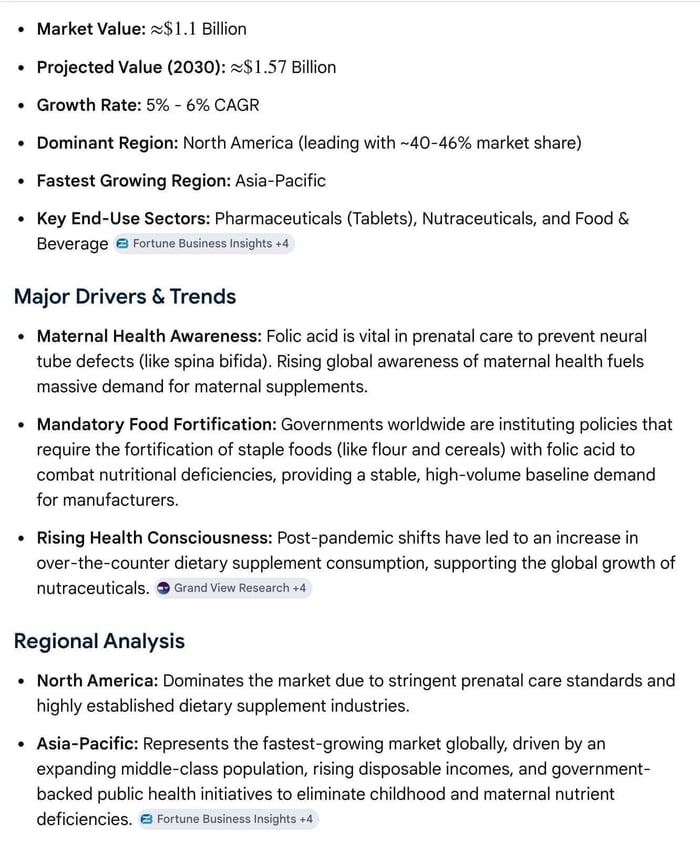
The companies dominating this market are not small natural-food cooperatives. They are multinational chemical and pharmaceutical-linked corporations, including BASF, DSM-Firmenich, Merck KGaA, Lonza Group, and major Chinese industrial manufacturers supplying raw folic acid globally. Institutional investors, international asset-management firms, pension funds, and multinational shareholders profit from this infrastructure at every stage.
And the historical trail becomes even more interesting when looking at who financed the original synthetic breakthrough itself.
The early observational work of Lucy Wills in India during the 1930s was funded through British medical research initiatives studying anemia in pregnant textile workers. But identifying a nutritional factor and industrializing a synthetic compound are two entirely different things. The real commercial turning point occurred in the 1940s, when scientists raced to chemically synthesize folic acid because harvesting it from natural sources was impractical and expensive on an industrial scale.
In 1945, biochemist Yellapragada Subbarow led the successful chemical synthesis effort at Lederle Laboratories, a division of the American Cyanamid Company. That research was heavily funded because the company understood exactly what synthetic folic acid represented: a scalable pharmaceutical product with enormous commercial potential in anemia treatment, nutrition markets, and eventually much larger public-health applications. Lederle’s pharmaceutical legacy and assets would later become tied to Pfizer through corporate acquisitions and restructuring over the decades. Yes, folks, vitamins are nothing more than pharmaceutical drugs in disguise.
This is one of the most revealing moments in the entire folic acid story.
The same industrial-pharmaceutical system that helped develop synthetic folic acid as a commercial laboratory product eventually saw governments mandate versions of that compound directly into the food supply. From a business perspective, there are few outcomes more valuable than converting a manufactured chemical into a permanent component of national nutrition policy.
The public is taught that folic acid fortification emerged purely from humanitarian concern. What receives far less attention is how perfectly the intervention aligned with industrial economics. A shelf-stable synthetic compound could be manufactured cheaply, distributed globally, blended seamlessly into processed foods, scaled across entire populations, and continuously consumed from birth onward. That model benefits supplement companies, pharmaceutical chemical manufacturers, grain processors, pharmaceutical-linked nutrition markets, livestock industries, and processed-food corporations simultaneously. This one is a little too easy to follow the money.
How Synthetic Folic Acid Is Manufactured
By the time folic acid reaches a prenatal vitamin, fortified cereal, or enriched flour product, it is no longer spinach, liver, yeast, or food in any recognizable sense. Industrial folic acid is not gently extracted from leafy greens at a commercial scale because natural folates are chemically unstable and difficult to standardize for mass production.
Instead, synthetic folic acid is manufactured through industrial chemical synthesis using petroleum-derived intermediates, industrial solvents, reaction catalysts, acetones, hydrochloric acids, purification systems, and crystallization processes, designed to produce a stable, shelf-ready compound that can withstand processing, storage, transportation, and mandatory food fortification.
Side Effects, B12 Masking, and the Problem That Never Got Solved
The folic acid story becomes even more complicated once the side-effect profile is taken into account. For decades, one of the largest concerns surrounding synthetic folic acid supplementation and mandatory fortification has been its ability to mask vitamin B12 deficiency. High folic acid intake can partially correct the anemia associated with B12 deficiency, while the underlying neurological damage continues progressing silently underneath. In practical terms, a patient’s blood work may appear improved while nerve degeneration, cognitive decline, neuropathy, gait abnormalities, memory impairment, and spinal cord injury continue advancing unnoticed. I will decipher this for you. The B9 drug you are taking is suppressing the expression of the nervous system collapse. So instead of addressing the issues associated with your nervous system, you now have a massive system collapse that you are able to ignore. For a while, anyway.
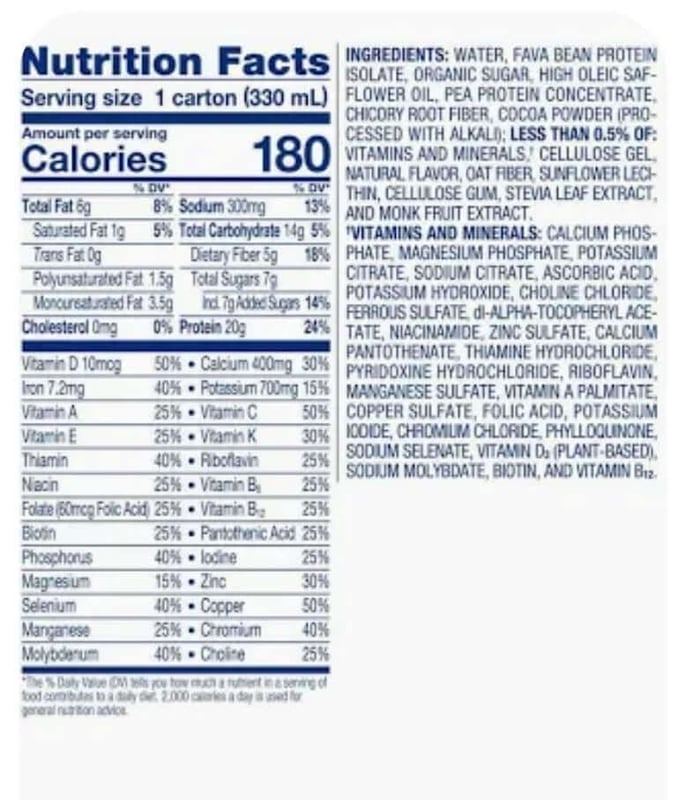
That concern was not hidden deep in obscure literature. Regulators and researchers discussed it repeatedly during fortification debates because elderly populations are particularly vulnerable to B12 deficiency. The irony is difficult to ignore: one synthetic B vitamin was being added widely to the food supply while potentially masking deficiencies of another B vitamin already central to neurological health. That issue becomes even more important once massive supplementation enters the picture through prenatal vitamins, fortified grains, energy products, wellness formulas, and high-dose methylation protocols layered on top of one another. So grandma is poisoning herself with the massive amounts of vitamins in her daily Ensure drink, and she is told she needs more vitamins because she is deficient.
And we return to the original issue at the center of the Wills factor story. What Lucy Wills demonstrated was that severely depleted pregnant women improved when given concentrated biological nutrition under conditions of profound stress and malnutrition. But the leap from “concentrated nutrition improved sick workers” to “synthetic folic acid deficiency is the root problem” was much larger than the public is usually told.
Fresh liver improved the women. Fresh fruit and vegetables improved the women’s health.
Greater access to protein, greens, eggs, milk, legumes, and a diverse range of foods improved the women’s health. Even concentrated vegetable powders or broader nutritional rehabilitation programs would likely have changed the outcome.
Today, synthetic folic acid is found in fortified grains, prenatal vitamins, processed foods, nutraceuticals, energy products, pharmaceutical formulations, and population-wide public health mandates, generating billions of dollars globally. Meanwhile, questions surrounding unmetabolized folic acid, developmental biology, B12 masking, neurological injury, genetic variability, and long-term cumulative exposure continue to surface in the scientific literature decades after fortification began.
Which brings this series to its final and perhaps most explosive chapter:
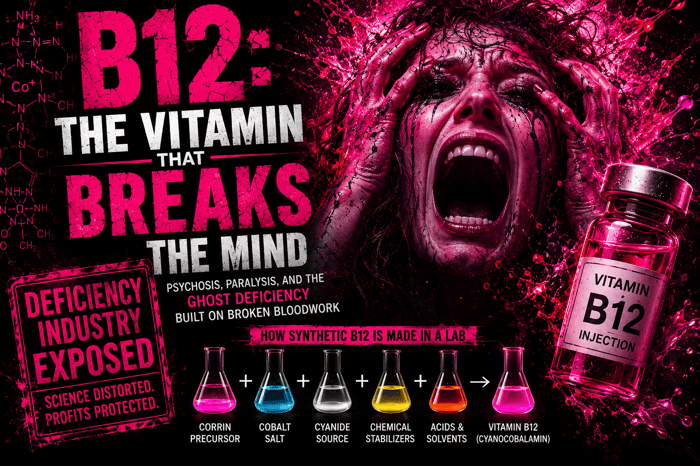
Vitamin B12 and the deficiency lie.
Coming Next: Vitamin B12
I thought folic acid was the smoking gun of this series. Then I started pulling apart Vitamin B12. And once you see the connection between folic acid, B12 masking, neurological damage, animal-feed fortification, bacterial fermentation, and the synthetic dependency model modern medicine quietly built around the food supply… You cannot unsee it.
There is a massive tell hiding inside the B12 story that exposes the entire vitamin industry from top to bottom. And by the time we finish the final article in this series, many people will realize this was never just about vitamins.
Disclaimer
The views expressed in this article are the author’s opinions based on clinical experience, historical sources, public records, regulatory documents, scientific literature, and secondary reporting. References to peer-reviewed publications, government materials, archival records, and publicly available data are included where applicable to support discussion surrounding physiology, supplementation, toxicology, industrial manufacturing, and public health policy.
The author is a licensed Registered Nurse (RN) who is no longer practicing clinically or acting in any medical capacity through this publication. This article reflects personal analysis, commentary, investigative research, and opinion and is not intended as individualized medical advice, diagnosis, or treatment. Readers should consult their own licensed healthcare professionals regarding personal medical decisions, medications, supplements, or health concerns.
This publication is presented for informational, educational, commentary, and entertainment purposes only. It does not allege criminal conduct or proven legal wrongdoing by any named company, institution, regulatory agency, manufacturer, or individual. Statements regarding vitamins, pharmaceuticals, fortification policies, manufacturing processes, market incentives, toxicology, and historical events reflect interpretation and opinion based on publicly available information and cited materials.
Discussion of nutritional deficiencies, supplementation, neural tube defects, pregnancy, toxic exposures, industrial food systems, neurological symptoms, and public health interventions involves ongoing scientific debate and evolving research. Readers are encouraged to review primary source materials, consult qualified professionals, and conduct an independent investigation before forming medical or legal conclusions.
If you believe this article contains a factual inaccuracy, or if you represent an entity discussed and wish to provide documentation, clarification, or request a correction, please contact robin@purifywithin.com. Corrections will be reviewed and made where appropriate.
Nothing in this publication should be construed as medical or legal advice. Readers seeking legal guidance regarding publishing, liability, or defamation matters should consult a qualified attorney.
References
Jeanice Barcelo Barcelo, J. (n.d.). The dark side of prenatal ultrasound and the dangers of non-ionizing radiation. Library of Congress archives and independent publication materials.
Food and Drug Administration. (n.d.). Historical regulatory discussions and advisory materials regarding folic acid fortification, neural tube defects, and vitamin B12 masking. U.S. Food and Drug Administration archival records.
Junod, S. W. (n.d.). Historical review of folic acid fortification policy and neural tube defect prevention discussions. U.S. Food and Drug Administration historical records.
Medical Research Council Vitamin Study Research Group. (1991). Prevention of neural tube defects: Results of the Medical Research Council Vitamin Study. The Lancet, 338(8760), 131–137.
Subbarow, Y., & collaborators. (1940s). Early chemical synthesis and pharmaceutical development work involving folic acid and antifolate compounds. Lederle Laboratories’ historical research materials.
Spherical Insights & Consulting. (2023). Global folic acid market size, share, and COVID-19 impact analysis, by product, by distribution channel, and by region: Analysis and forecast 2023–2033.
Wills, L. (1931). Treatment of “pernicious anemia of pregnancy” and tropical anemia with special reference to yeast extract as a curative agent. British Medical Journal, 1(3676), 1059–1064.
Wills, L. (1937). Observations on nutritional anemia in pregnancy in India. Indian Medical Gazette.
World Health Organization. (n.d.). Folic acid supplementation and food fortification guidelines relating to pregnancy and neural tube defect prevention.
Centers for Disease Control and Prevention. (n.d.). Recommendations for folic acid intake and neural tube defect prevention.
Bailey, L. B., & Gregory, J. F. (1999). Folate metabolism and requirements. The Journal of Nutrition, 129(4), 779–782.
Smith, A. D., Kim, Y. I., & Refsum, H. (2008). Is folic acid good for everyone? The American Journal of Clinical Nutrition, 87(3), 517–533.
Reynolds, E. (2002). Vitamin B12, folic acid, and the nervous system. The Lancet Neurology, 1(4), 239–245.
Lucock, M. (2000). Folic acid: Nutritional biochemistry, molecular biology, and role in disease processes. Molecular Genetics and Metabolism, 71(1–2), 121–138.
Crider, K. S., Bailey, L. B., & Berry, R. J. (2011). Folic acid food fortification—Its history, effect, concerns, and future directions. Nutrients, 3(3), 370–384.
Medicine Girl’s Substack is a reader-supported publication. To receive new posts and support my work, consider becoming a free or paid subscriber.


![The Great Vitamin Liars Vitamins [Part 1 By Medicine Girl]](https://dropinblog.net/cdn-cgi/image/fit=scale-down,format=auto,width=700/34264201/files/featured/0c2c0703-aac4-4a09-8bbb-aa55f98bf33e.png)