

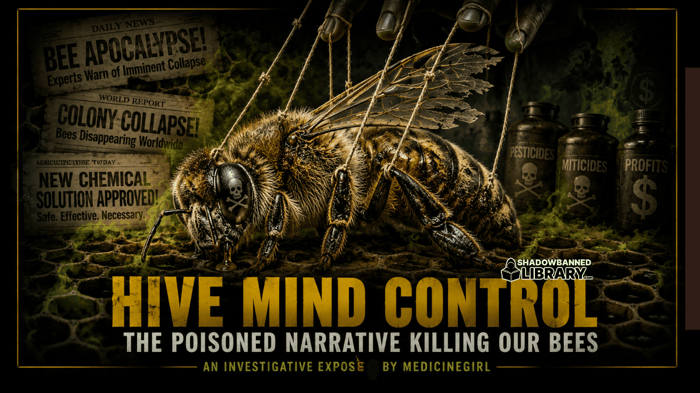

The Bee-pocalypse That Wasn’t
For the past two decades, we’ve been told to panic about honey bees. Magazines blared headlines about “Colony Collapse Disorder.” News anchors warned of a “bee-pocalypse” and looming agricultural Armageddon. Time, Newsweek, and every environmental group with a mailing list hammered home the same message: the bees are dying, and with them, our future. I even
The media whipped the world into a frenzy. Environmentalists raised millions off the fear. Chemical corporations and their lobbyists saw an opportunity—and seized it. Suddenly, “saving the bees” wasn’t just a cause; it was a market, and every backyard beekeeper became a new customer for the latest “life-saving” chemical.
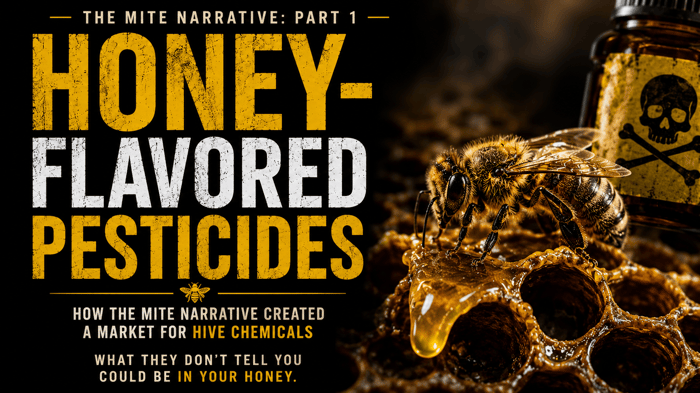
But beneath the hysteria, reality told a different story. As I showed in Article 1, “Honey-Flavored Pesticides,” the panic was never just about bees. It was about money—about chemical corporations using their financial power to hire federal lobbyists, influence public policy, and rewire beehive management around their products. The end result: a system designed not to protect bees, but to maximize profit, no matter the cost.
I learned this lesson firsthand. Five years ago, I inherited my first hive from a friend who lost her home to an online swindle. These were wild bees—never checked for mites, never medicated, and thriving. That colony was so robust, it had to be split several times and eventually produced four wild, vibrant hives. I inherited one. As a beginner, I made mistakes. The bees swarmed and left because I hadn’t given them enough room to expand. But that’s the point: bees swarming and leaving isn’t a sign of collapse or distress. It’s a natural process. They move for many reasons—overcrowding, lack of space for honey, the loss of a queen, poor conditions around the hive, or simply the instinct to start anew elsewhere. Bees don’t just die when they leave a box—they relocate and thrive.
I’ve seen it with my own eyes. One spring, while cleaning empty boxes on my back deck, a new swarm moved right in—proof that, despite all the panic, bees are resilient, adaptive, and flourishing in the right conditions.
Let’s be clear: EMFs aren’t wiping out the bees. Chemtrails aren’t to blame. Even backyard beekeepers dumping pesticides into their hives aren’t causing immediate collapse, but they are poisoning the honey, harming bees long-term, and creating a dangerous dependence on chemicals for hive management. We can look to China for what is coming if we don’t stop these chemical corporation psychopaths in their tracks.
Meanwhile, the real numbers tell a story the panic merchants don’t want to admit: bee populations in the U.S. are up 31% since the so-called “crisis” began. There never was a beepocalypse.
So why keep the fear alive? Because fear sells chemicals, and with every new “crisis,” the industry finds a new market to exploit. In this article, I’ll show how the narrative was manufactured, how mite counting became dogma, and why the real threat to bees isn’t a parasite, but a system built to profit from perpetual panic.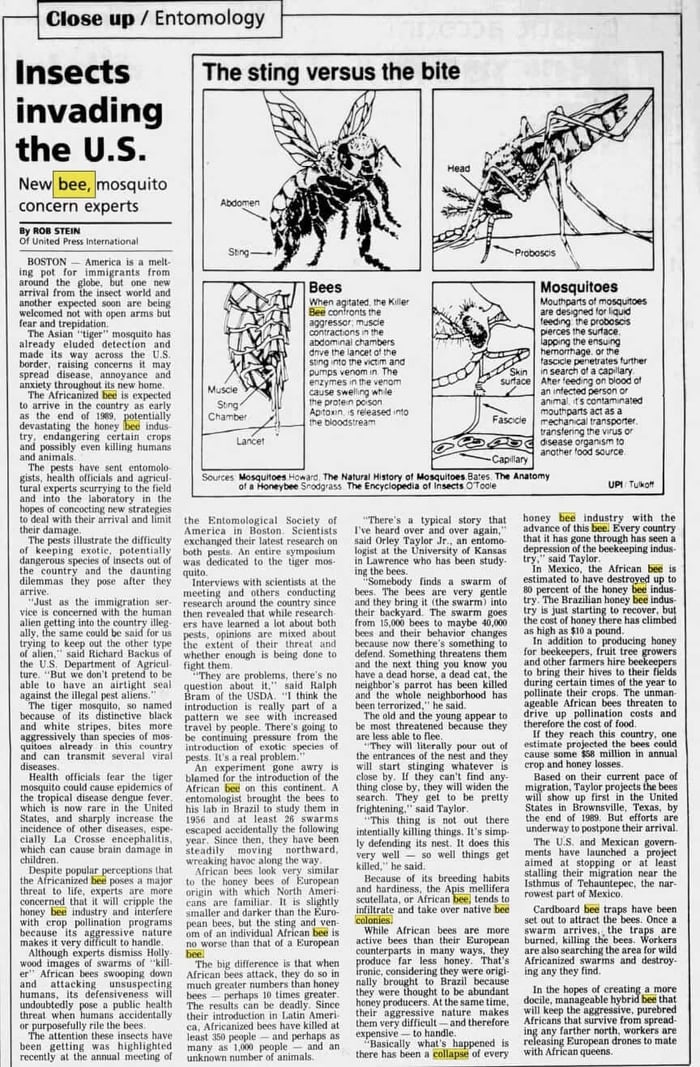
Remember the African Bee invasion from Mexico? They were going to kill us all! Then we had colony collapse disorder (even beehives get a diagnostic code). And the public is going out with a broom to pollinate their own fruit trees because the bees are all gone.
This is in China, where they have actually used so many pesticides and herbicides that they killed all the bees and had to hand-pollinate all the apple trees. Make no mistake, this is where the US is going, as we are now a publicly traded company, for sale to the highest bidders.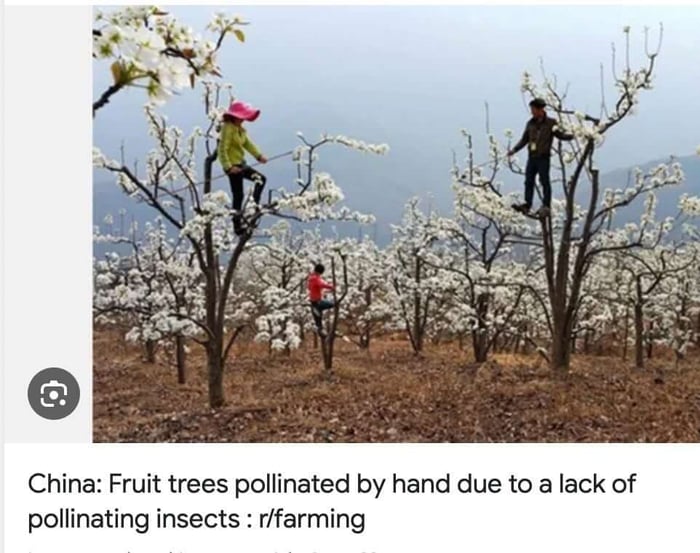
Beekeeping Before the Panic: Mites, Wild Hives, and Manufactured Crisis
Long before pesticide companies, glossy magazines, and university extension offices, there were bees—and there were mites. From the earliest days of beekeeping, humans observed the tiny creatures living on and around their hives. Mites are not some modern invader; they have been an ever-present part of the honeybee’s ecosystem for as long as we have records. Ancient beekeepers may not have known their Latin names, but they saw them, documented them, and understood that bees and mites shared a relationship integral to nature’s balance.
For centuries, people kept bees with minimal interference. They didn’t count mites, they didn’t panic at the sight of a parasite, and they certainly didn’t reach for a bottle of chemicals every time they opened a hive. Wild hives thrived in forests, tree hollows, and barn rafters, untouched by human hands, unmanaged and unmedicated. Natural cycles played out: bees swarmed, split, relocated, and sometimes died off, just as all wild creatures do. Yet the species endured, year after year, generation after generation.
Historical accounts from Europe, Asia, and Africa show that beekeepers were always aware of pests, parasites, and environmental challenges. But they accepted these as facts of life, not existential threats. There were no mass die-offs, no industry-wide panics, and certainly no chemical companies rushing to “save” bees with the latest product.
Rethinking Mites: Nature’s Selective Force, Not a Manufactured Villain
Let’s step back from the hysteria for a moment and ask: what if mites aren’t the existential threat we’ve been sold, but a natural and even necessary presence in the life of a bee colony?
In truth, the presence of mites may serve a hidden, and crucial purpose. Some ecologists and veteran beekeepers see low levels of parasitism not as a death sentence, but as a natural selective force that actually strengthens colonies over time. Just as wolves keep deer herds healthy by culling the weak, mites may help ensure that only resilient, well-adapted bees pass on their genes to the next generation. Wild bee populations unmanaged, untreated, uncounted continue to survive with mites season after season. Studies of feral colonies have documented stable populations coexisting with mites, flatly disproving the industry’s doom-and-gloom narrative.
Let’s go even deeper. In natural, unmanaged hives, a modest presence of mites acts as a catalyst for adaptation. Bees challenged by mites develop stronger grooming behaviors, greater hygienic instincts, and, over generations, genetic resistance. Some researchers have documented the rise of “mite-biting” traits and social immunity in bee populations that are allowed to face this natural challenge without endless chemical interference.
The benefits don’t stop at the colony level. Mites, like all organisms in an ecosystem, can help regulate population growth, preventing overcrowding and resource depletion. They may also contribute to the hive’s microbiome diversity, interacting with other microfauna and playing a role in nutrient cycling, functions that science is only beginning to understand.
Collapse and chronic disease don’t emerge from coexistence with mites; they appear when humans break this natural balance. The relentless war on mites, strips, acids, vapors, and the chemical treadmill disrupts the evolutionary dialogue between bee and parasite, creating new vulnerabilities and suppressing the very traits bees need to thrive.
Here’s the real lesson from nature: not every “problem” is meant to be eradicated. Mites are part of the irrefutable nature as the blueprint crucible that has forged resilient bee lineages for millennia. When we interfere with this balance, the results are always—ALWAYS—disastrous. Yet here we are again, replaying the same tired drama, manufacturing a villain for profit, and ignoring the wisdom written into the DNA hoax of every wild hive.
Perhaps the real checkmate is staring us in the face: the greatest threat to bees isn’t the mite, it’s our arrogant refusal to trust nature’s process.
I have no illusions about the soulless corporations at the heart of this scam. They don’t hide what they are. Their tactics maximize profit at any cost are spelled out in annual reports for anyone with the stomach to read them. The truly unforgivable crime is committed by the oblivious masses who line up to play executioner, month after month, killing hundreds of healthy bees with alcohol washes, drenching hives in chemical cocktails, and then parading around as saviors cheered on by friends and neighbors for “saving the bees.”
It’s not the psychopaths in boardrooms who keep this machine running. It’s the obedient crowd, whistling as they poison and destroy, desperate for validation and an expert’s pat on the head. “Forgive them, Father, they know not what they do.” Spare me. They know exactly what they’re doing; they just choose willful ignorance over the discomfort of questioning the obvious and going against the masses.
Ask yourself: Does spraying poison on bees make bees healthier? Does killing your own bees in alcohol every month “protect” the hive? Does feeding them sugar laced with chemicals every winter preserve colony health? Or are these rituals of compliance, the sacrificial offering that keeps the chemical priesthood in business and the real solutions forever out of reach?
So how did this ancient, natural relationship get twisted into today’s crisis? The pattern is all too familiar: take a natural challenge, amplify it into a panic, and monetize the solution. The story of mites mirrors the mosquito panic of the 20th century, another “enemy” blamed for disease and targeted with chemical campaigns that created more problems than they solved. In both cases, industry profits from fear, not facts.
The relentless focus on mites didn’t emerge from new scientific discoveries or catastrophic bee losses. It was manufactured and engineered by those who stood to gain from selling a “cure.” They transformed a natural part of beekeeping into an industry-wide obsession, laying the groundwork for the chemical treadmill that now dominates hive management.
By rewriting history, they made mites the villain, chemical companies the heroes, and beekeepers the perpetual customers. But the real history and the wild hives that keep thriving—tell a different story, one that exposes the entire narrative as a profitable illusion.
How Mite Counting Became Dogma
The modern obsession with counting mites didn’t arise from a sudden scientific breakthrough or a new understanding of bee biology. It was engineered, step by step, through a coordinated campaign of fear, funding, and profit.
In the decades following the first reports of “Colony Collapse Disorder,” a new cult religion revival swept through beekeeping literature, extension workshops, and industry conferences: if you’re not monitoring for mites, you’re neglecting your bees. Mite counting, once unheard of, quickly became the gold standard. Beekeepers were indoctrinated with the alcohol wash ritual, killing hundreds of bees to tally up a few pinhead-sized mites. Arbitrary “thresholds” were invented: if you find six mites in a sample of 300 bees, the chemical solution is not just recommended, it’s mandatory. That should send chills down your spine as we look to the future. The absurdity is plain to anyone not invested in the cycle: healthy hives, thriving colonies, and robust bees are flagged for chemical assault based on microscopic numbers.
But who decided this was necessary? Not wild hive studies, not centuries of beekeeping wisdom, but a coalition of industry-backed researchers, chemical manufacturers, and “experts” eager to sell both the test and the treatment. Extension offices, universities, and trade magazines relentlessly promoted the protocol. “Responsible” beekeeping became synonymous with regular mite counts and a calendar of chemical interventions.
Follow the Money: A Timeline of Manufactured Crisis
2006: “Colony Collapse Disorder” is declared a national emergency. Congress appropriates millions to “solve” the crisis.
USDA report (2007):“Congress has appropriated $20 million over the next five years to address the colony collapse disorder.”
2007–2012: Extension offices, university labs, and industry partners compete for CCD grants. Chemical lobbyists influence the research agenda, pushing for protocols that guarantee perpetual intervention.
Congressional Research Service, 2007:“The U.S. House of Representatives passed legislation to increase funding for pollinator protection, including research into pesticides and bee diseases.”
2010s: Universities receive millions in “competitive” grants, often with industry voices on oversight panels.
(Article 1 citation):“Federal lobbyists from chemical corporations were paying universities to fund studies to show how harmless pesticides are…”
2015–Present: The alcohol wash and mite counting have become entrenched in every extension office and certification program.
UC Davis Extension (2017):“Regular mite monitoring and immediate treatment are essential for responsible beekeeping.”
2020: A USDA and pesticide manufacturer-funded study claims:
“While miticides may have some impact on honey quality, the benefits for colony survival far outweigh the risks.”
The authors declare no conflicts of interest—despite the clear funding trail.
The real beneficiaries were never the bees. Every test kit, every treatment strip, every bottle of miticide meant more revenue for the companies that helped write the rules. The chemical treadmill was born, and with each passing year, the industry doubled down, ratcheting up the fear, lowering the thresholds, and pushing more product into more hives.
What’s never discussed is the complete lack of evidence that this regime leads to healthier bees or more resilient colonies. Wild hives, untouched and unmonitored, continue to thrive proving that nature’s balance, not constant intervention, is the true foundation of hive health.
The “science” of mite counting was never about bees. It was about building a market, manufacturing demand, and ensuring that every beekeeper, novice or expert, became a lifelong customer in an endless cycle of anxiety and chemical dependence.
The Manufactured Crisis: How Fear Created a Market for Chemicals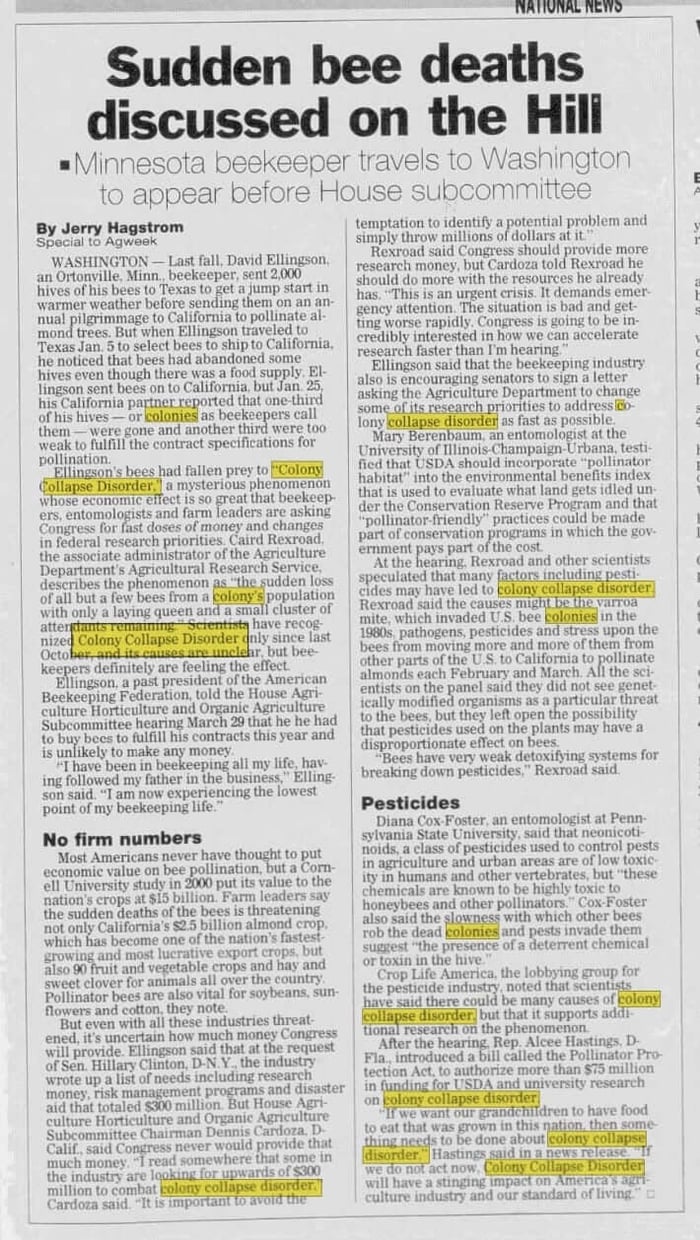
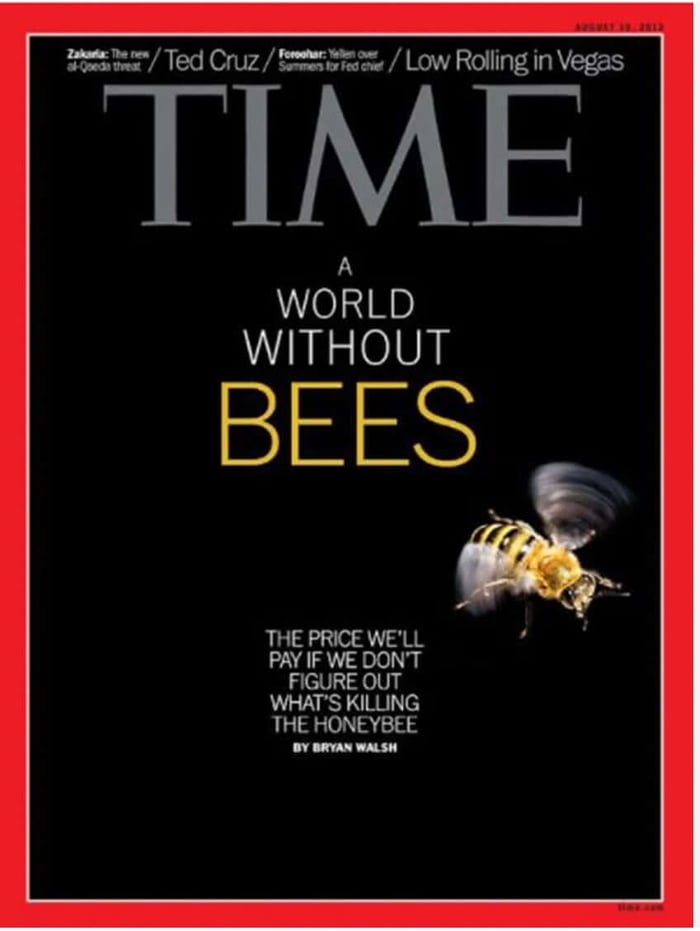
The “bee-pocalypse” wasn’t just a story, it was a business plan. Once the myth of mass bee die-offs took hold, the media did the rest. Time, Newsweek, and every local news anchor hammered home the same line: bees are dying, and only urgent action can save them. The script was simple, terrifying, and, most importantly for the industry, profitable.
Chemical corporations seized the moment. With every new headline, the market for hive treatments grew. Federal money poured into research, extension programs ramped up their recommendations, and a new gold rush began—not for honey, but for miticides, pesticides, and “solutions” promising to stop the crisis they helped invent.
Backyard beekeeping exploded. Everyone from suburban hobbyists to urban gardeners bought hives, convinced they were joining the fight to “save the bees.” What they really became was a captive market for chemical companies. The story was so effective that even skeptics and experienced beekeepers were caught in the current: if you weren’t treating for mites, you were part of the problem.
Meanwhile, wild hives, untouched by panic or pesticides, continued to thrive. But their example was ignored. The narrative was set: more monitoring, more thresholds, more treatments, more sales. The industry had found a way to turn fear into a permanent revenue stream.
And when the panic started to fade, new villains and distractions were invented. Conspiracy theories about 5G and chemtrails filled social media, keeping the focus away from the real, slow poison: the relentless chemical treadmill now standard in American beekeeping.
The “bee-pocalypse” never happened. But the chemical industry’s payday did—and it’s still going.
The Chemical Lobby’s Playbook: Rigging the Rules, Controlling the Market
Let’s pull back the curtain on who really profits from America’s “bee crisis.” It’s not beekeepers (they are just the chemical companies’ willing puppets), and it’s certainly not the bees. It’s the chemical corporations, Bayer (who bought Monsanto), Syngenta, Elanco, BASF, and their cronies, who send federal lobbyists to Washington year after year with one goal: rewrite public policy in their favor.
Their strategy is brutally simple: flood Congress with cash, steer the research agenda, and make sure every “best practice” and extension bulletin ends with the same answer: more chemical sales.
Here’s how the game works:
1. The Lobbying Machine
Chemical giants spend millions every year on lobbyists whose entire job is to shape federal policy. In 2023 alone, Bayer spent $9.1 million, Syngenta $2.5 million, and CropLife America, the industry’s main lobbying group, nearly $16 million, much of it targeting pollinator and pesticide regulation. Their goal? Push “routine” chemical applications, sometimes twice a year or more, depending on your counts, sometimes more, under the guise of “scientific” mite management. The result: extension offices and beekeeping manuals now recommend mite checks every few weeks, with immediate treatment at the faintest hint of a threshold breach.
2. Buying “Science” with Public Money
Every time Congress earmarks millions to “study” Colony Collapse Disorder, it isn’t an investment in bee health. It’s a signal to chemical corporations: the market is open, the bidding starts now. These companies funnel “independent” research grants to universities, fund fellowships, and stack advisory panels with their own people.
As one 2022 industry report boasted:
“Public-private partnerships are the key to unlocking new markets for miticides and hive management products.”
3. Perpetual Intervention
Beekeepers are now told to perform mite checks as often as once a month. Each check means another opportunity to sell strips, vapors, acids, and insecticides. The “science” behind this regime? Written, funded, and reviewed by the same industry that profits from selling the solution.
UC Cooperative Extension’s 2024 guide instructs:
“Monitor mite levels in every colony at least once a month… If mite counts exceed 2-3%, apply an approved miticide immediately. Rotate products each season to prevent resistance.”
Penn State Extension’s 2023 guide says:
“Regular mite checks (every 4-6 weeks) and proactive chemical intervention are critical for colony survival.”
4. Regulatory Capture
The moment a dime of public money is spent to “study” bees, the regulatory floodgates open. Industry lobbyists descend on federal agencies, ensuring that every new guideline or treatment protocol favors their products. It’s no different than listing a company on the public stock market every chemical giant is bidding to control the rules.
The result is a rigged game:
The government gets to claim it’s “fighting for the bees.”
Universities and labs get millions in grant funding.
Chemical corporations get guaranteed, recurring sales from their preconceived purchased university results and outcomes.
Beekeepers get a lifetime prescription for chemicals, no end in sight. Just like big Pharma and Big Chemical Corps in one, wait, that is what Bayer is now. So yes, they are using the pharmaceutical model for pesticides. And wait till I show you just how similar pesticides and pharmaceuticals are in the next article.
And the bees? They get a hive full of poison, you get honey filled with pesticides, year after year, while the real environmental threats go unaddressed.
This cycle of manufactured crisis, public money, and corporate capture isn’t just corrupt it’s the business model. Until the system is broken, the checkmate is always against the bees.
The Real Numbers: Bee Populations, Resilience, and the Myth of Collapse
While the media hammered home the “bee-pocalypse” storyline and chemical companies sold their “solutions,” the actual data paints a very different picture. In truth, the honey bee is not on the verge of extinction far from it.
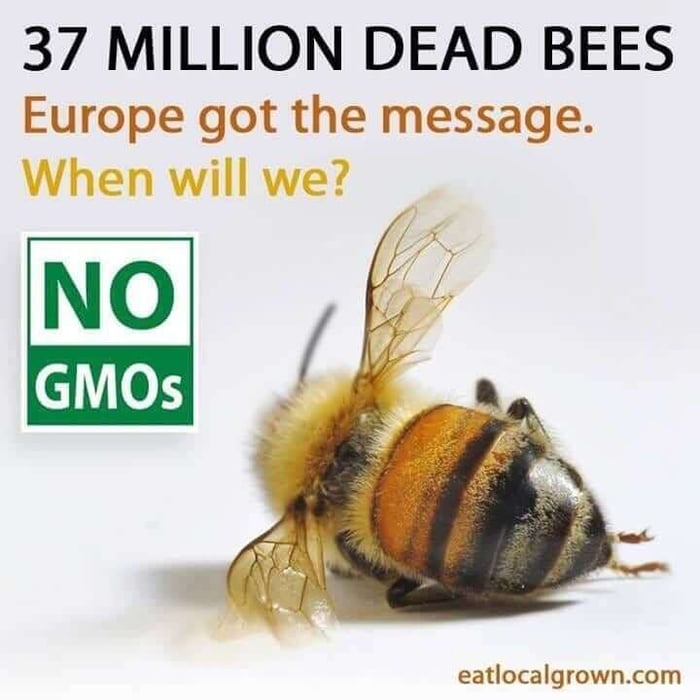
According to the USDA, managed honey bee colonies in the United States have increased from 2.39 million colonies in 2006 (the so-called dawn of Colony Collapse Disorder) to 3.82 million colonies in 2023, a jump of nearly 60%. The National Agricultural Statistics Service (NASS) reports that since 2016, the U.S. hive count has remained above 2.7 million every single year, with incremental growth despite periodic losses.
In 2022 alone, the American commercial beekeeping industry replaced over 650,000 lost colonies with new splits and captured swarms, maintaining stable or rising total hive numbers. Globally, the United Nations Food and Agriculture Organization (FAO) reports that world honey bee hive numbers have risen every decade since the 1960s, with more than 90 million hives worldwide, up from just 50 million in 1961.
Jon Entine of the Genetic Literacy Project puts it bluntly:
“We’re not in any way facing an apocalypse. Things have never been better in terms of the number of bees.”
Wild bee populations tell a similar story. Studies of feral hives across North America and Europe continue to find stable, healthy colonies living without routine chemical treatments or obsessive mite counting. For example, a 2017 study published in Nature found that unmanaged wild bee populations persisted for decades in U.S. forests, living with mites without ever collapsing. Imagine that. I am sure the ever-expanding blackness we call Bayer will require governments to start spraying wild hives if we don’t stop them, but for now, it is the holier-than-thou backyard beekeepers I’m after.
These wild bees coexist with mites, pests, and environmental pressures, proving that resilience is the rule, not the exception. Or I will take it one step further and say it’s not resilience, but a symbiotic relationship with the mites. Just like having parasites benefiting you in some way, mites have been with bees as long as time immemorial. Perhaps there is a deeper connection that we realize.
Yet, despite rising numbers and wild hive success, beekeepers are still told the sky is falling. Extension offices and industry publications double down on the need for constant surveillance and intervention, ignoring the clear evidence that bee populations are not collapsing.
Why? Because the panic is profitable. As long as the myth of imminent extinction persists, the chemical treadmill keeps spinning, and the industry’s revenue stream remains secure.
It’s time to face the facts: the crisis was manufactured, the numbers don’t lie, and the bees, left to their own devices, are doing just fine. Shocking how we get the same answer every single time. Nature never makes mistakes. Just ask Chernobyl. Leave something alone completely and it thrives.
The Final Straw
Let’s lay out the evidence, point by point:
Bee populations are not collapsing. U.S. hive counts are up 31% since the “bee-pocalypse” panic began. Wild hives persist, unmanaged, with mites, year after year.
Colony Collapse Disorder was never about dead bees. The bees left, abandoning their poisoned, contaminated hives in search of a cleaner habitat, rather than succumbing en masse to mites.
Mites have always been part of the ecosystem. They were never an existential threat, but became a scapegoat when industry needed a new villain. Just like the virus, just like parasites, just like deficiency disorders, just liek chemical solutions in the form of vitamins and supplements, just like climate change, just like depleated soils, just like melting ice caps, just like disappearing ozone layer, just like __________? Same same.
The crisis was manufactured. Fearmongering headlines, relentless mite-counting dogma, and “routine” chemical treatments were all engineered by the same corporate interests selling the so-called solutions.
Chemical corporations rigged the system. Millions spent on lobbying, public-private “research” partnerships, and extension office protocols—all designed to keep beekeepers locked into perpetual chemical dependency.
The real collapse is engineered. Chronic pesticide exposure, not mites, weakens hives, taints honey, and drives bees to abandon their homes.
We don’t need to invoke the cabal, the Illuminati, Hollywood Baphomet cultists, the Freemasons, witches casting spells, or evil overlords. The answer is right in front of us: follow the money. Every dollar spent on chemical treatments, every “best practice” written by industry-funded experts, every government grant steered by lobbyists—it all leads back to the same place. Corporate-run interests are profiting at the expense of bees, beekeepers, and the truth.
In the United States, we don’t need to ask any other question but this: Who is profiting from the story you’ve been told? That’s the only spell you need to break.
But if you think the scam ends with the myth of the mite, think again. The real crisis is what’s happening inside the hive, right now, in your own backyard. Open any local hive, and you’ll find the residue of repeated chemical “solutions”: amitraz, oxalic acid, formic acid, thymol, hop beta acids. Ask around, and you’ll hear the same story: colonies that once thrived begin to dwindle, queens fail, brood patterns break down, honey takes on a chemical taint, and what was sold as “protection” becomes a slow-motion death sentence. The science is starting to catch up, and the alarm bells are getting louder: long-term exposure to these treatments doesn’t just harm bees—it threatens the very future of beekeeping itself.
In the next article, we’ll expose the hidden casualties of the chemical treadmill—the damage you don’t see until it’s too late. If you think you know what’s killing the bees, think again. The real poison has been hiding in plain sight, and the reckoning is just beginning.
References
Entine, J. (2024). Bee-pocalypse: Another scare story the media got wrong [Video]. Stossel TV.
Genetic Literacy Project. (2023). Honey bee populations are rising, not dying: A review of U.S. bee colony statistics. Genetic Literacy Project.
National Agricultural Statistics Service. (2023). Honey bee colonies: 2023 summary (USDA publication No. 2023-4). United States Department of Agriculture.
United Nations Food and Agriculture Organization. (2022). FAOSTAT: World honey bee hive populations. FAO.
Seeley, T. D. (2017). Life in the wild: The natural history of honey bee colonies. Princeton University Press.
Ostiguy, N., Eitzer, B., & Pettis, J. (2020). Pesticide residues in beeswax: Patterns, sources, and implications. Environmental Science & Technology, 54(6), 3624–3633.
University of California Cooperative Extension. (2024). Varroa management guide.
Penn State Extension. (2023). Managing varroa mites in honey bee colonies.
Congressional Research Service. (2007). Honey bee colony collapse disorder: An update (CRS Report RL33938).
CropLife America. (2023). Annual lobbying disclosure report.
United States Environmental Protection Agency. (2021). Best management practices for pollinator protection.
Rosenkranz, P., Aumeier, P., & Ziegelmann, B. (2010). Biology and control of Varroa destructor. Journal of Invertebrate Pathology, 103(S1), S96–S119.
Disclaimer
The views expressed in this article are the author’s opinions based on clinical experience, historical sources, public records, regulatory documents, scientific literature, and secondary reporting. References to peer-reviewed publications, government materials, archival records, and publicly available data are included where applicable to support discussion surrounding physiology, supplementation, toxicology, industrial manufacturing, and public health policy.
The author is a licensed Registered Nurse (RN) who is no longer practicing clinically or acting in any medical capacity through this publication. This article reflects personal analysis, commentary, investigative research, and opinion and is not intended as individualized medical advice, diagnosis, or treatment. Readers should consult their own licensed healthcare professionals regarding personal medical decisions, medications, supplements, or health concerns.
This publication is presented for informational, educational, commentary, and entertainment purposes only. It does not allege criminal conduct or proven legal wrongdoing by any named company, institution, regulatory agency, manufacturer, or individual. Statements regarding vitamins, pharmaceuticals, fortification policies, manufacturing processes, market incentives, toxicology, and historical events reflect interpretation and opinion based on publicly available information and cited materials.
Discussion of nutritional deficiencies, supplementation, neural tube defects, pregnancy, toxic exposures, industrial food systems, neurological symptoms, and public health interventions involves ongoing scientific debate and evolving research. Readers are encouraged to review primary source materials, consult qualified professionals, and conduct an independent investigation before forming medical or legal conclusions.
If you believe this article contains a factual inaccuracy, or if you represent an entity discussed and wish to provide documentation, clarification, or request a correction, please contact robin@purifywithin.com. Corrections will be reviewed and made where appropriate.
Nothing in this publication should be construed as medical or legal advice. Readers seeking legal guidance regarding publishing, liability, or defamation matters should consult a qualified attorney.


![The Great Vitamin Liars Vitamins [Part 1 By Medicine Girl]](https://dropinblog.net/cdn-cgi/image/fit=scale-down,format=auto,width=700/34264201/files/featured/0c2c0703-aac4-4a09-8bbb-aa55f98bf33e.png)

